Boiler & Hydronic Service in Long Beach, CA
Heating loads are light in Long Beach, but boilers still serve hospital campuses, older hotels, and larger institutional buildings where hot water and reheat loops matter year-round. Damp coastal air can cause corrosion on burner assemblies, controls, and flue components, particularly in rooms with poor ventilation. Service focuses on safe combustion, pump and valve function, and reliable control response, so a system that runs only part of the year is ready when it is called on.
Port-driven logistics and warehousing, a dense downtown, large hospital campuses, and an airport-area business park cluster, all within reach of salt air.
How boiler & hydronic service work plays out in Long Beach
Where Long Beach has boilers, it has them for reasons that do not go away in a mild winter. Hospital campuses along Atlantic Avenue and at the VA run hydronic reheat and domestic hot water support year-round. Older hotels downtown and the larger institutional buildings around the Civic Center and Cal State Long Beach use boilers for perimeter heat on the cool, damp mornings that the coast produces more often than inland cities do. Heating load is small; the consequence of a failed boiler in a clinical building or a full hotel is not.
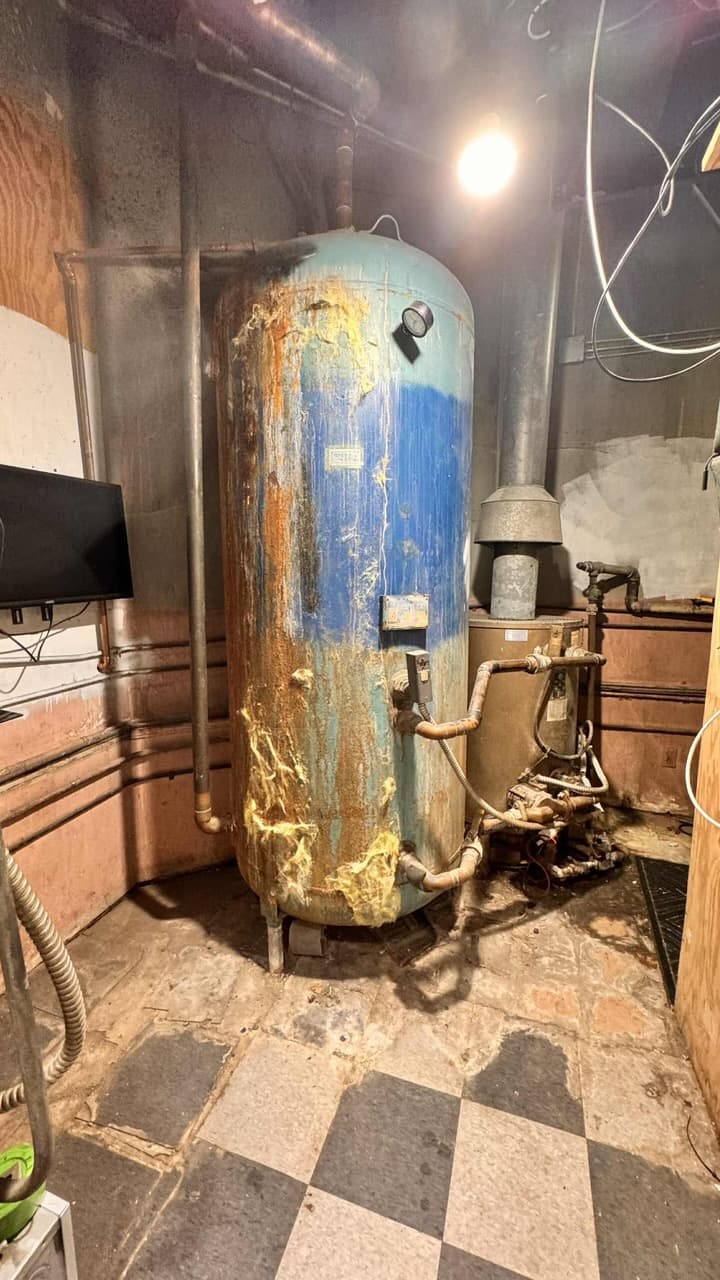
Damp is the enemy here more than cold. Boiler rooms in coastal buildings are often ventilated to outside air for combustion, which lets humid salt air sit on burner assemblies, gas trains, flame safeguards, and flue connections for the eight months the boiler is idle. By the first cold morning in November, a relay has corroded, a pilot assembly is crusted, or a flue section has rusted through. Pumps that sat still since March have seized bearings. The pre-season visit in this city is less about tuning a running boiler and more about finding what the summer did to a sleeping one.
A good outcome is a boiler that fires on the first call for heat with combustion verified by instruments, every zone circulating, safeties tested, and flue and gas train condition photographed for the record. For hospital buildings that record is part of the compliance file. Properties with both a chiller plant and boilers usually fold the heating side into a single central plant program so it is not forgotten during the long cooling season, and the water heaters and boilers guide covers the fundamentals.
Long Beach's climate and what it does to this equipment
Long Beach sits directly on the coast, so salt-laden marine air is a constant at the shoreline, in downtown, and across the port. That air attacks condenser coils, fasteners, panel hardware, and exposed copper far faster than inland conditions, and it is humid enough to feed corrosion and mold in poorly ventilated spaces. Summers are milder than the valleys and basin, but humid afternoons and occasional heat waves still push rooftop equipment hard. Coil protection, drain pan cleaning, and regular inspection of corroded components are central to keeping equipment alive here.
For the equipment background behind this page, read our water heaters and boilers guide or the full Boilers & Hydronic Heating service page.
- Downtown Long Beach and the ShorelineOffices, hotels, and waterfront restaurants where salt air shortens coil life and ice machines run hard through event season.
- Douglas Park and the airport areaBusiness park and light industrial buildings with dense rooftop equipment, newer tilt-up construction, and corporate tenants with defined comfort expectations.
- Port-adjacent logistics and the Westside industrial areaLarge distribution buildings and cold storage serving container traffic, with dock refrigeration, ventilation, and make-up air needs that run nearly around the clock.
- Medical campuses and the central corridorHospital campuses and medical office buildings where redundancy, filtration, and coordination with in-house engineers shape the work.
- Combustion analysis and tuning with logged results
- Low-water cutoff, relief valve, and flame-safeguard testing
- Condensing and non-condensing boiler service
- Hydronic loop, pump, valve, and expansion-tank diagnostics
What a boiler & hydronic service visit includes, and the problems we most often find
- Review boiler type, age, fuel, and the loads it serves
- Inspect burners, heat exchanger surfaces, venting, and combustion air
- Run combustion analysis and adjust to manufacturer specifications
- Test safeties and controls; check loop pressure, flow, and water quality
- Document results and recommend repairs or replacement timing
- Poor combustion tuning wasting fuel and fouling heat exchangers
- Condensing boilers running with return temperatures too high to condense
- Air in the loop or failing pumps causing cold zones
- Untested safeties on older boilers with no maintenance records