Boiler & Hydronic Service in Santa Monica, CA
Winter nights in Santa Monica are cool enough that heating matters for hotels, hospitals, and older buildings with hydronic systems. Damp coastal air can corrode burner assemblies, controls, and flue components in poorly ventilated mechanical rooms. Service focuses on combustion safety, circulation, and control response, with attention to condensation and corrosion signs. Preseason checks help ensure heat is dependable when the first cold, damp stretch arrives. Older hotels near the beach are the likeliest to need this attention.
A coastal commercial market of Third Street Promenade retail, Main Street restaurants, creative and tech offices, and hospitals, all exposed to salt air.
How boiler & hydronic service work plays out in Santa Monica
The first cold, damp week in December is when Santa Monica boilers get noticed. Hotels on Ocean Avenue, the hospital campuses and their reheat systems, older mid-rise offices along Wilshire Boulevard, and a scattering of schools and civic buildings run hydronic heat that sits mostly idle from April through November. Coastal nights in the 40s with high humidity make heat necessary for comfort even though temperatures never approach freezing, and guests and patients notice a cold room immediately.
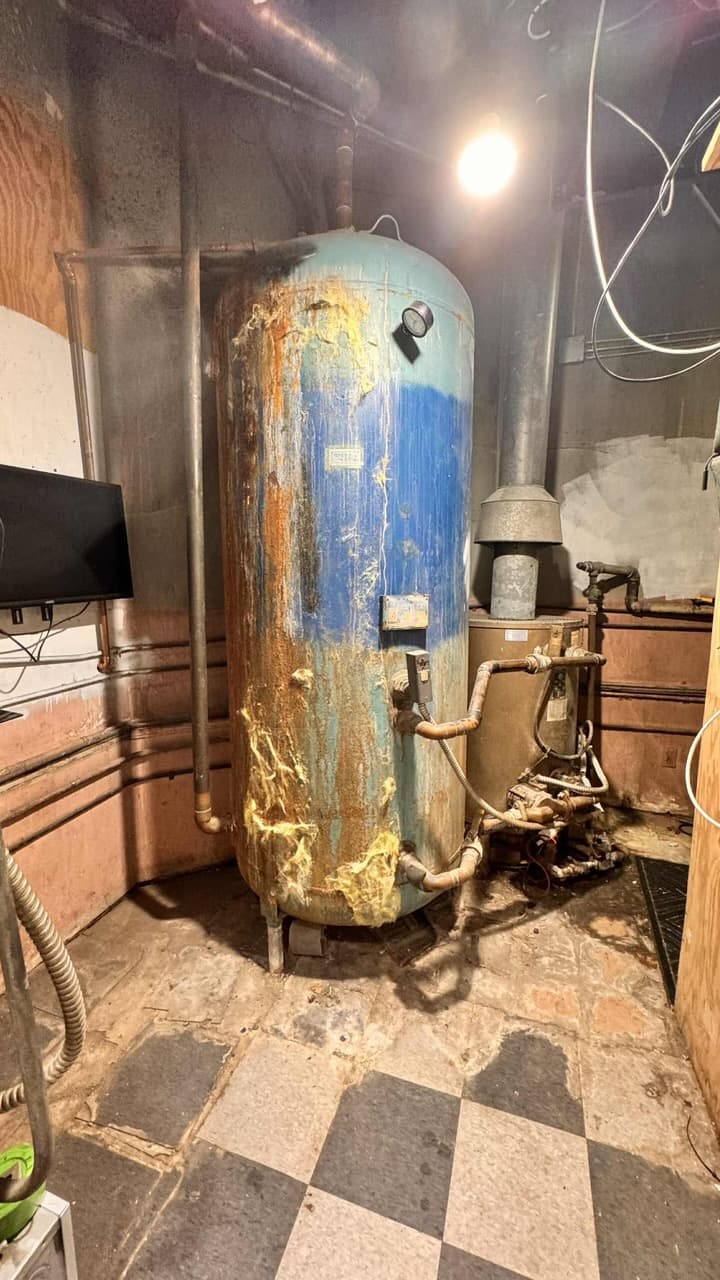
What fails is what idled. Circulating pumps seize, zone valves stick, pressure-reducing valves drift, and burner assemblies that sat in a damp basement mechanical room for eight months show corrosion on igniters, flame sensors, and gas train components. Flue connections and draft inducers near the ocean corrode from the outside in. On hospital reheat systems, valves that leak heat into cooled zones waste energy all year and only get found when someone trends the data. We test combustion, safeties, pump operation, and control response before the season, and we look specifically for corrosion in rooms with poor ventilation.
Replacement planning in this city often centers on condensing boilers, which fit the low return temperatures many reheat and hotel loops can deliver and which the city's sustainability priorities tend to favor. Venting changes, condensate neutralization, and gas supply need to be verified, and old boilers in basement rooms sometimes have to be cut up to get out through the corridors they were built behind. Santa Monica's building department handles the permit, and its requirements shift often enough that we verify them at the start of each project. The boilers and hydronic heating service page covers the full scope of what we install and maintain.
Santa Monica's climate and what it does to this equipment
Santa Monica is directly on the Pacific, so salt air is the defining condition. Marine layer keeps summers mild and mornings gray, but the constant moist, salty air corrodes condenser coils, fasteners, electrical enclosures, and exposed copper far faster than inland conditions. Heat waves are less severe than in the valleys, although occasional offshore wind events can briefly drive temperatures up. Because equipment runs fewer extreme hours but suffers from corrosion, coil protection, frequent inspection, and careful hardware choices matter more than raw capacity.
For the equipment background behind this page, read our water heaters and boilers guide or the full Boilers & Hydronic Heating service page.
- Downtown and Third Street PromenadeDense retail, restaurants, hotels, and offices with shared rooftops, limited access, and heavy foot traffic.
- Main Street and the shorelineRestaurants, cafes, and small hotels near the beach, where salt air accelerates corrosion on exposed equipment.
- Bergamot, Olympic Boulevard, and creative or tech officesConverted industrial buildings and newer mid-rise offices with modern comfort expectations and often VRF or advanced rooftop systems.
- Hospital and medical corridorsHospital campuses and medical office buildings where filtration, redundancy, and coordination with in-house engineers are central.
- Combustion analysis and tuning with logged results
- Low-water cutoff, relief valve, and flame-safeguard testing
- Condensing and non-condensing boiler service
- Hydronic loop, pump, valve, and expansion-tank diagnostics
What a boiler & hydronic service visit includes, and the problems we most often find
- Review boiler type, age, fuel, and the loads it serves
- Inspect burners, heat exchanger surfaces, venting, and combustion air
- Run combustion analysis and adjust to manufacturer specifications
- Test safeties and controls; check loop pressure, flow, and water quality
- Document results and recommend repairs or replacement timing
- Poor combustion tuning wasting fuel and fouling heat exchangers
- Condensing boilers running with return temperatures too high to condense
- Air in the loop or failing pumps causing cold zones
- Untested safeties on older boilers with no maintenance records
Boiler & Hydronic Service in Santa Monica: questions we get
Our hotel boiler is in a basement room that always feels damp. Is that hurting the boiler?
Yes. Damp mechanical rooms near the beach corrode burner components, controls, and flue parts, and they make combustion air quality worse. We check whether the room's combustion air openings are correctly sized and not blocked, whether the flue is drafting properly, and whether a ventilation fix is practical. On the boiler itself, we inspect the gas train, igniter, and flame sensor for corrosion each season. A small ventilation change often adds years to a boiler's life in that environment.
Does Santa Monica expect condensing boilers on a replacement?
The city places a strong emphasis on building performance, and current energy codes and local requirements shape what a replacement can look like, so confirm the current rules before specifying. In practice, a condensing boiler is usually the right technical answer for hotel and reheat loops with moderate return temperatures, and it brings venting and condensate changes that need to be designed in. Where return temperatures are too high to condense, we say so rather than install a unit that will never run efficiently.
Do commercial boilers need annual service?
Yes. Annual combustion tuning and safety testing is standard practice, and boilers are also subject to jurisdictional inspection requirements that vary by type.
Can you replace a boiler without a long shutdown?
Often, with planning: staged piping, temporary heat where needed, and scheduling around the heating season.
Do you work on steam systems?
We evaluate steam and hot-water systems individually. Send us the equipment details and we will confirm scope.