Commercial HVAC Repair in Long Beach, CA
Long Beach repair calls often carry a corrosion thread. A rooftop unit that keeps losing capacity may have coils clogged with salt-laden grime, a contactor pitted by humid air, or a condensate drain packed with debris. Diagnosis starts with airflow, electrical connections, and refrigerant circuit condition, then moves to the underlying cause instead of swapping a part that will fail again. For warehouses near the port and for downtown offices alike, that approach saves repeat visits in a market where downtime has real cost.
Port-driven logistics and warehousing, a dense downtown, large hospital campuses, and an airport-area business park cluster, all within reach of salt air.
How commercial hvac repair work plays out in Long Beach
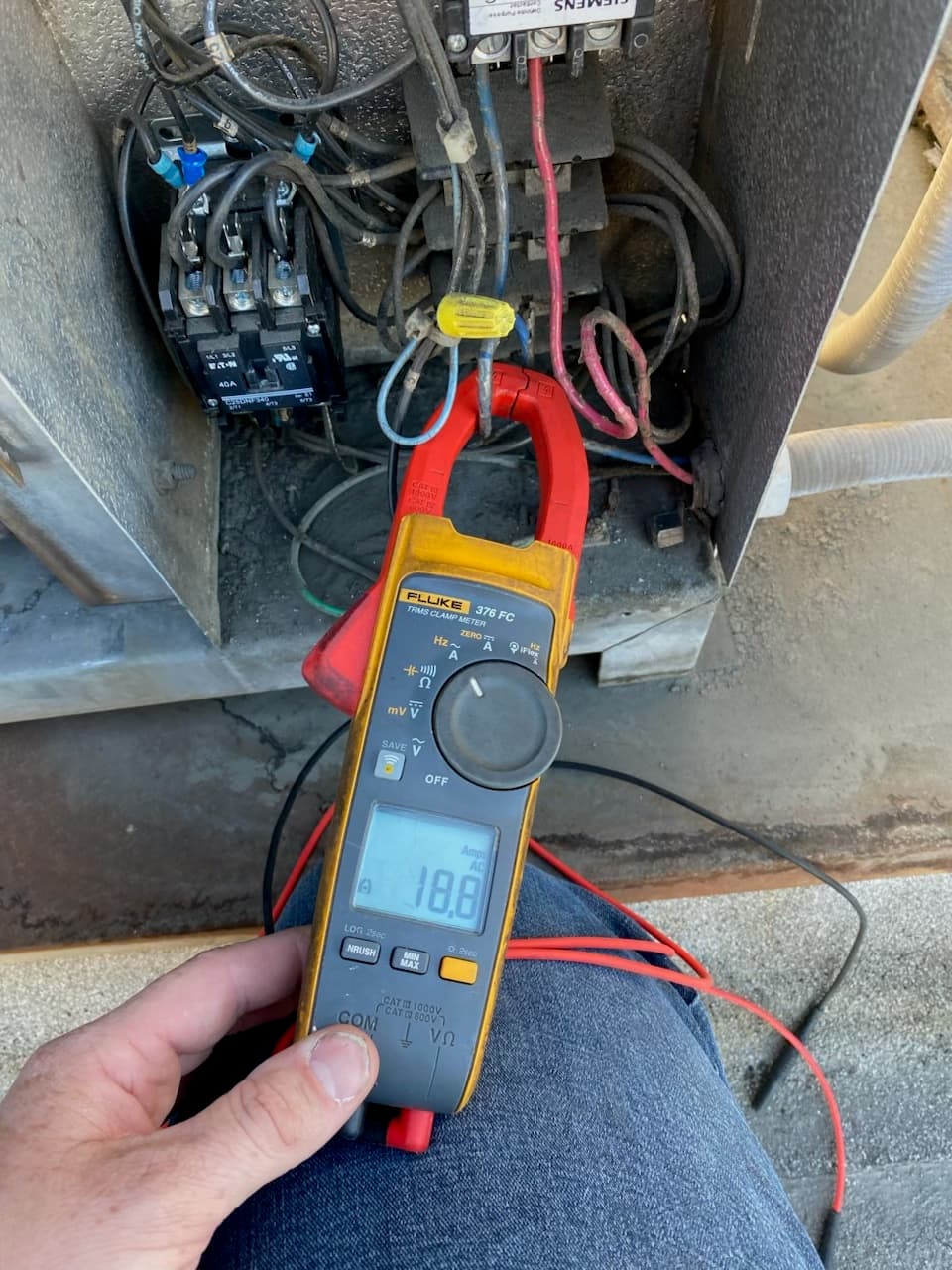
Open the panel on a rooftop unit in Long Beach and the first thing you see is what the air has done to it. On a Shoreline Drive hotel or an Ocean Boulevard office, the condenser fins are white with salt crust, the contactor has green pitting on its terminals, and the condensate pan has rusted through at the seam. The same unit in Fullerton would have another five years. That is why repair in this city begins with a corrosion survey of the whole unit, not a search for the single failed part, because the part that failed is often the first of several that are about to.
Away from the water the calls are more conventional but still shaped by the city. Douglas Park's tilt-up business park buildings near the airport have rooftop fleets installed in the same year, so when one unit's fan motor goes, the twenty around it are not far behind, and a repair visit there doubles as a fleet inspection. Bixby Knolls and Belmont Shore restaurants run older storefront equipment with condensers in alleys. The Westside logistics buildings and the terminals off Terminal Island Freeway run dock refrigeration and ventilation that cannot stop while containers are moving, so the repair window is whatever the shift schedule gives.
A good Long Beach repair fixes the failure and tells the owner how long the rest of the unit has. Readings, photos of corroded components, and a plain assessment are logged to DaVinci Portal so the decision about the next repair versus replacement is made with evidence. When a coastal unit has already been through two or three emergency calls, a second-opinion diagnostic is usually cheaper than the fourth.
Long Beach's climate and what it does to this equipment
Long Beach sits directly on the coast, so salt-laden marine air is a constant at the shoreline, in downtown, and across the port. That air attacks condenser coils, fasteners, panel hardware, and exposed copper far faster than inland conditions, and it is humid enough to feed corrosion and mold in poorly ventilated spaces. Summers are milder than the valleys and basin, but humid afternoons and occasional heat waves still push rooftop equipment hard. Coil protection, drain pan cleaning, and regular inspection of corroded components are central to keeping equipment alive here.
For the equipment background behind this page, read our root-cause diagnostics guide or the full Commercial Troubleshooting & Repair service page.
- Downtown Long Beach and the ShorelineOffices, hotels, and waterfront restaurants where salt air shortens coil life and ice machines run hard through event season.
- Douglas Park and the airport areaBusiness park and light industrial buildings with dense rooftop equipment, newer tilt-up construction, and corporate tenants with defined comfort expectations.
- Port-adjacent logistics and the Westside industrial areaLarge distribution buildings and cold storage serving container traffic, with dock refrigeration, ventilation, and make-up air needs that run nearly around the clock.
- Medical campuses and the central corridorHospital campuses and medical office buildings where redundancy, filtration, and coordination with in-house engineers shape the work.
- Root-cause diagnostics, not guesswork
- Truck-stocked parts for common same-day fixes
- Clear repair options before any work is authorized
- DaVinci Portal included: QR service history, notes, photos
What a commercial hvac repair visit includes, and the problems we most often find
- Call in the issue — what the equipment is doing, and what it's affecting
- Tech arrives with truck-stocked parts for the most common failures on that equipment type
- Root-cause diagnostic with readings taken and logged, not just symptom patching
- Repair options presented with pricing before anything is authorized
- Approved work completed same-visit where parts allow; readings logged to the Portal
- Electrical failures — contactors, capacitors, and control boards
- Refrigerant leaks and low-charge symptoms
- Failed motors, bearings, and belts on fans and blowers
- Clogged condensate drains causing water damage or shutdowns