VRF & Split System Service in Long Beach, CA
Long Beach's mixed building stock, from converted downtown spaces to medical suites and creative offices where ductwork is difficult, is where VRF and ductless systems earn their keep. Near the water, outdoor units need coastal-appropriate protection and regular coil cleaning to avoid early failure. Service includes charge verification, communication troubleshooting, and condensate management, since small faults in a VRF network can produce confusing symptoms across multiple zones. Long Beach medical suites and creative offices downtown are frequent candidates for this kind of retrofit.
Port-driven logistics and warehousing, a dense downtown, large hospital campuses, and an airport-area business park cluster, all within reach of salt air.
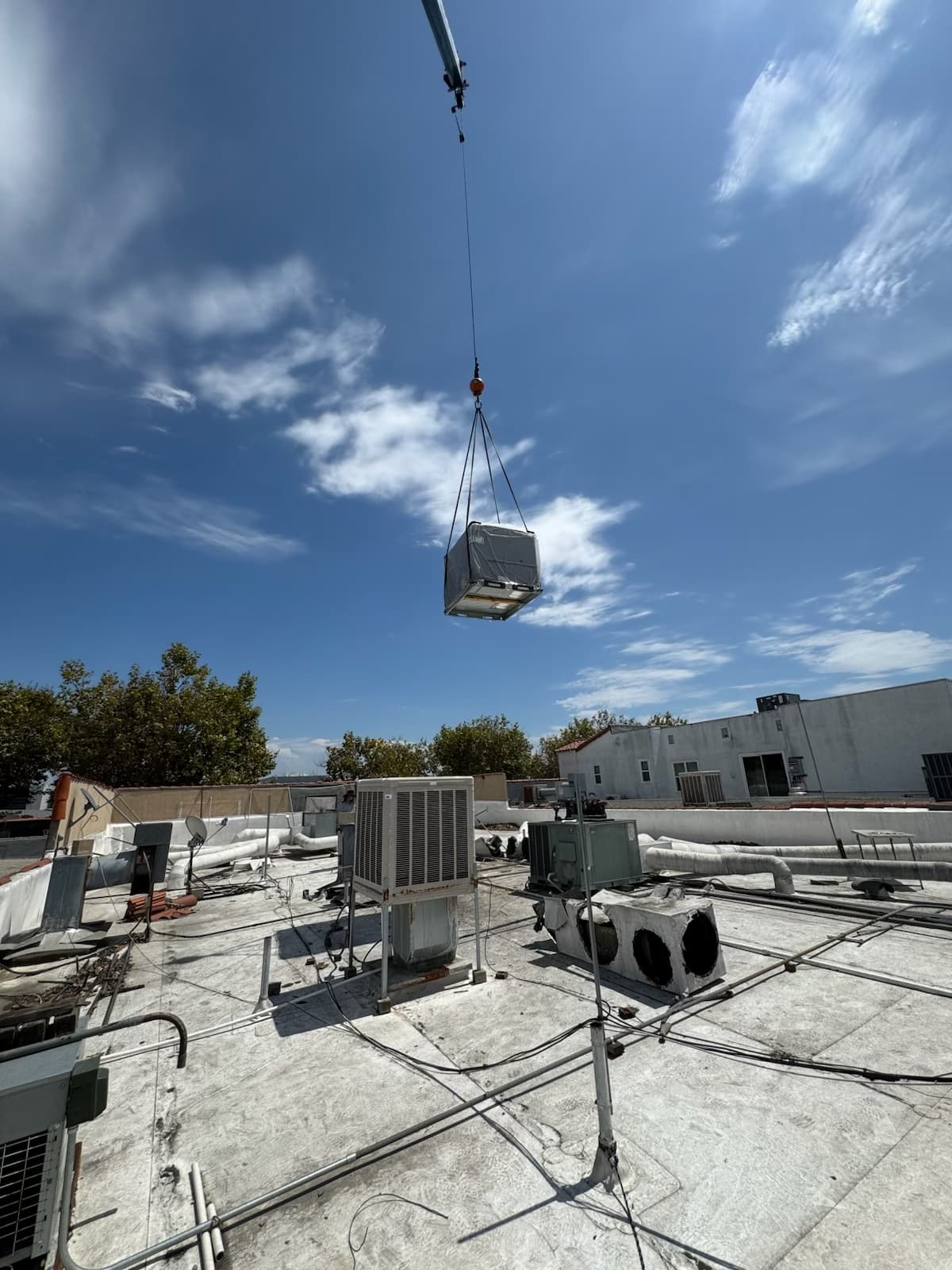
How vrf & split system service work plays out in Long Beach
VRF and ductless systems in Long Beach are concentrated where ductwork was impossible: the converted downtown buildings along Pine Avenue and the East Village, medical and dental suites around the hospital corridors, and office tenant improvements in older buildings across Bixby Knolls and the Traffic Circle area. They work well in these spaces, and then the outdoor units sit on a downtown roof or in a side yard in salt air for a decade with nobody looking at them, and the coils go. A VRF outdoor unit that has lost capacity to corrosion shows up as several indoor units that cannot hold temperature on a warm afternoon, which gets misdiagnosed as a refrigerant or control fault.
The actual faults in these systems are mostly small. Communication wiring with corroded terminals at an outdoor unit, a flare fitting that has weeped for years, a branch controller with a stuck valve, or a condensate pump on an indoor unit that failed and flooded a ceiling tile. Finding them takes a methodical approach: verify the charge by the manufacturer's line-length calculation, inspect every terminal for corrosion, test communication end to end, and map which indoor unit serves which room, because in a converted downtown building that map rarely exists.
A well-served Long Beach VRF system has coastal-protected outdoor units with real clearance and a rinse schedule, verified charge, clean terminals, cleared condensate drains, and a documented map stored in DaVinci Portal. For medical suites, the medical offices and clinics sector page covers how zoned systems are maintained in clinical settings, and the VRF service page describes consolidating older splits into a single system.
Long Beach's climate and what it does to this equipment
Long Beach sits directly on the coast, so salt-laden marine air is a constant at the shoreline, in downtown, and across the port. That air attacks condenser coils, fasteners, panel hardware, and exposed copper far faster than inland conditions, and it is humid enough to feed corrosion and mold in poorly ventilated spaces. Summers are milder than the valleys and basin, but humid afternoons and occasional heat waves still push rooftop equipment hard. Coil protection, drain pan cleaning, and regular inspection of corroded components are central to keeping equipment alive here.
For the equipment background behind this page, read our VRF vs. RTU vs. split systems guide or the full VRF & Commercial Split Systems service page.
- Downtown Long Beach and the ShorelineOffices, hotels, and waterfront restaurants where salt air shortens coil life and ice machines run hard through event season.
- Douglas Park and the airport areaBusiness park and light industrial buildings with dense rooftop equipment, newer tilt-up construction, and corporate tenants with defined comfort expectations.
- Port-adjacent logistics and the Westside industrial areaLarge distribution buildings and cold storage serving container traffic, with dock refrigeration, ventilation, and make-up air needs that run nearly around the clock.
- Medical campuses and the central corridorHospital campuses and medical office buildings where redundancy, filtration, and coordination with in-house engineers shape the work.
- VRF and multi-split service with refrigerant circuit diagnostics
- Ductless mini-split installation for server rooms, tenant spaces, and additions
- Controller, communication, and zoning troubleshooting
- Documented startup and commissioning
What a vrf & split system service visit includes, and the problems we most often find
- Review the system layout: outdoor units, branch controllers, and indoor units
- Read refrigerant-circuit data and communication status
- Inspect drains, filters, coils, and line sets
- Correct the fault and re-verify operation across zones
- Document the system layout and readings by unit
- Communication faults between indoor units, branch boxes, and outdoor units
- Condensate pumps and drains failing in ceiling cassettes
- Refrigerant leaks in long line sets and field joints
- Zones fighting each other because of control setup