Boiler & Hydronic Service in Carson, CA
Boilers in Carson show up at the university, medical and institutional buildings, and in some food plants that use hot water for cleaning and process. Because winters are mild, systems often sit idle, and the failures appear at startup: seized pumps, weeping valves, dirty burners. We commission seasonal startups, test safeties and combustion, and review piping for glycol or corrosion issues. Where an old boiler is oversized for current load, we evaluate modulating or condensing replacements and the venting and gas work that comes with them.
Large industrial and distribution base in the South Bay, with food and consumer-product manufacturing, refinery-adjacent sites and the Dignity Health Sports Park area.
How boiler & hydronic service work plays out in Carson
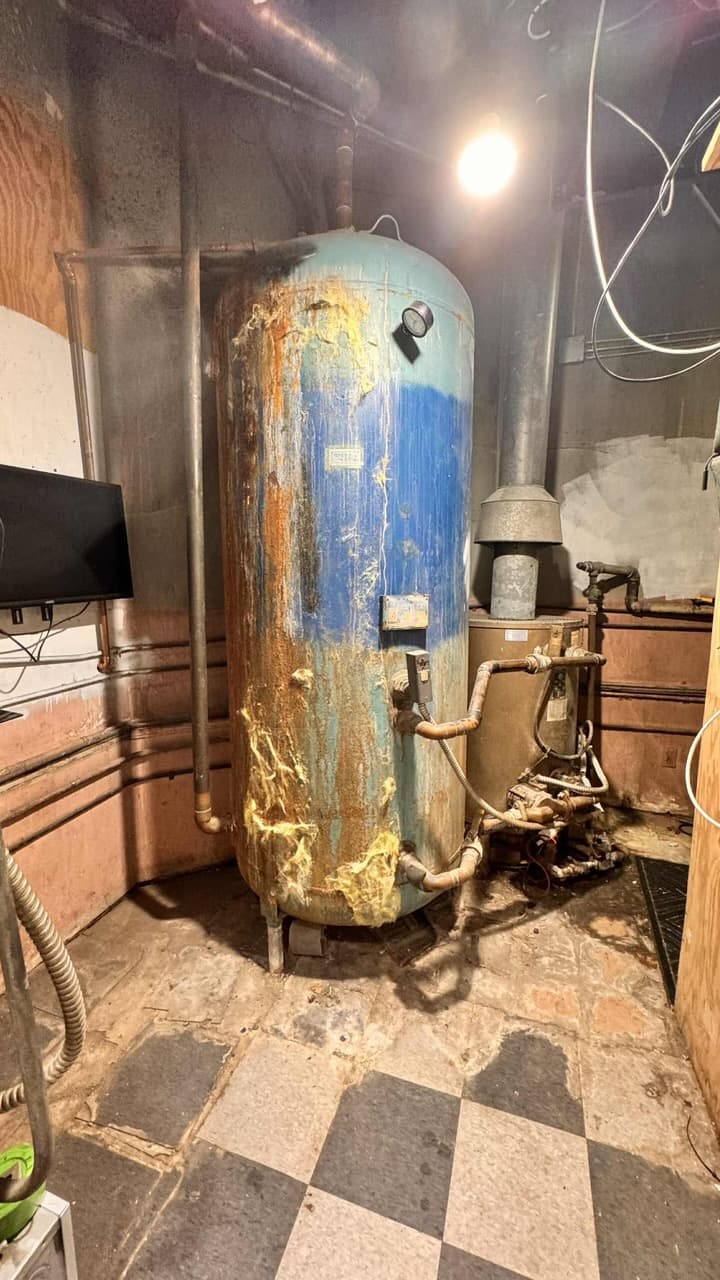
Carson does not need much space heating, which is exactly why boiler problems here are discovered late. The hydronic systems at the university, at larger medical and institutional buildings, and in the older office components of some industrial campuses sit idle from April through November, and the first cold morning in December reveals a circulator seized by months of inactivity, a relief valve weeping onto the floor, and a burner that was never tuned after the last gas pressure change. In food plants, by contrast, a hot water boiler for sanitation runs every day and gets worn out rather than neglected.
We schedule seasonal startups in the fall for the comfort systems: combustion analysis, safety and limit testing, pump and expansion tank inspection, and a review of glycol concentration and water chemistry where the loop has been topped off from a hose bib for years. For the plant boilers, the issue is scale and fatigue from continuous cycling, and the question is often whether a condensing or modulating replacement would track the sanitation schedule better than an oversized unit that short-cycles all day.
Venting and gas supply are the parts of a replacement that surprise owners in older Carson buildings. A new high-efficiency boiler cannot share the old masonry chimney, mechanical rooms have been subdivided, and gas meters were sized for a different load decades ago. We scope those items with the owner before the equipment is specified so the project does not stall at inspection. The water heaters and boilers guide covers the venting rules in general terms.
Carson's climate and what it does to this equipment
Carson sits in the South Bay basin, close enough to the coast to get the marine layer on many mornings but inland enough to see warm, humid afternoons in late summer. The mix is hard on equipment in a quiet way: summer humidity loads cooling coils and condensate systems, warm nights keep cooling running late, and airborne particulate from freeways, ports and refineries coats outdoor coils and clogs filters. Hot spells push large warehouse roofs to extremes. Equipment is stressed by long run hours and dirty air more than by any single heat wave.
For the equipment background behind this page, read our water heaters and boilers guide or the full Boilers & Hydronic Heating service page.
- Dominguez and 405 corridor industrial parksTilt-up distribution and light manufacturing buildings with large RTU fleets over office and warehouse zones.
- Dignity Health Sports Park and Cal State Dominguez HillsEvent venues, athletic facilities and university buildings with highly variable loads and public-agency procurement rules.
- South Bay Pavilion and Avalon Boulevard retailBig-box and strip retail with older packaged units, food service tenants and shared-roof access issues.
- Refinery-adjacent and food-manufacturing blocksFood and consumer-product plants with process refrigeration, make-up air and equipment exposed to industrial air.
- Combustion analysis and tuning with logged results
- Low-water cutoff, relief valve, and flame-safeguard testing
- Condensing and non-condensing boiler service
- Hydronic loop, pump, valve, and expansion-tank diagnostics
What a boiler & hydronic service visit includes, and the problems we most often find
- Review boiler type, age, fuel, and the loads it serves
- Inspect burners, heat exchanger surfaces, venting, and combustion air
- Run combustion analysis and adjust to manufacturer specifications
- Test safeties and controls; check loop pressure, flow, and water quality
- Document results and recommend repairs or replacement timing
- Poor combustion tuning wasting fuel and fouling heat exchangers
- Condensing boilers running with return temperatures too high to condense
- Air in the loop or failing pumps causing cold zones
- Untested safeties on older boilers with no maintenance records