Boiler & Hydronic Service in Pomona, CA
Boilers in Pomona serve campus buildings, medical offices and older institutional spaces, and they are run less than in colder climates, which creates its own problems. Idle systems develop corroded fittings, failed pumps and stale water chemistry. We inspect boilers before the heating season, test combustion and safeties, and check reheat valves that leak heat during cooling season. Where older units are oversized for current loads, we assess modern condensing or modulating replacements and the venting they require.
A mixed inland city of Cal Poly Pomona, the Fairplex, industrial parks and a revitalizing downtown, where hot, dry summers drive heavy cooling loads.
How boiler & hydronic service work plays out in Pomona
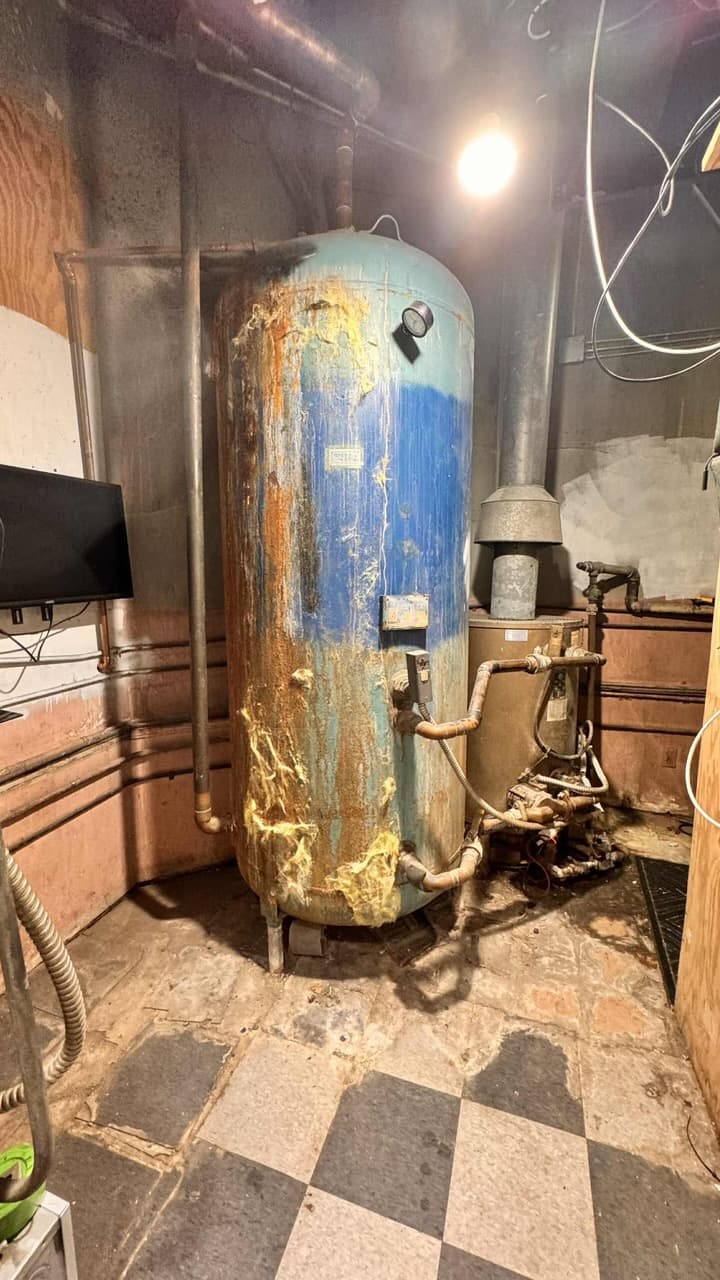
A Pomona boiler spends most of the year waiting. Heating season is short, nights are cool rather than cold, and the systems that serve campus buildings, hospital-area medical offices, older civic buildings and multi-story offices downtown may run only a few months. That idle time is what hurts them. Pumps seize, seals dry out, water chemistry drifts, and a boiler that worked in March fails on the first cold morning in December because nobody touched it in between. The lower the annual runtime, the more a fall startup inspection matters.
Reheat is the other quiet problem. Many institutional buildings in the city use hydronic reheat at terminal units for humidity and zone control, and leaking reheat valves during cooling season mean the chiller is fighting the boiler all summer. In a building with a tired boiler and an overworked plant, that is a cost that never shows up on any invoice until someone measures it. Combustion tests, safety checks, expansion tank and relief valve inspections and a look at every reheat valve are standard parts of a seasonal visit.
Where replacement is due, oversizing is the usual finding. A boiler sized for a building's original use and a colder design assumption often runs at a fraction of capacity, short-cycling and wasting fuel. Modern condensing or modulating equipment sized to measured load, with venting routed correctly for the new flue temperatures, typically fits the building better. On public property, the prevailing-wage guide outlines what that project looks like from a compliance standpoint. Service details are at boilers and hydronic heating.
Pomona's climate and what it does to this equipment
Pomona lies in the eastern part of the Los Angeles basin where the marine layer rarely reaches in summer, so days are hot, sunny and dry, with frequent stretches above 95 degrees and occasional triple-digit heat. Cooling coils work long hours, condensers reject heat into very hot air, and compressors see sustained high head pressure. Santa Ana winds in fall bring dust and debris that clog outdoor coils and intake screens. Winters are mild but nights can be cool enough for heating calls. Smog and fine particulate also load filters faster than at the coast.
For the equipment background behind this page, read our water heaters and boilers guide or the full Boilers & Hydronic Heating service page.
- Cal Poly Pomona campus and surrounding institutional areaUniversity buildings with chilled water, lab ventilation and public-agency procurement requirements.
- Fairplex and the Fairplex Drive corridorExhibition halls and event facilities with highly seasonal loads, large spaces and temporary-use cooling.
- Downtown Pomona and the Arts ColonyOlder masonry buildings housing restaurants, breweries and galleries, with tight back-of-house refrigeration and rooftop access challenges.
- Mission, Holt and Garey industrial parksMulti-generation warehouse and manufacturing buildings with mixed-vintage rooftop fleets and aging controls.
- Combustion analysis and tuning with logged results
- Low-water cutoff, relief valve, and flame-safeguard testing
- Condensing and non-condensing boiler service
- Hydronic loop, pump, valve, and expansion-tank diagnostics
What a boiler & hydronic service visit includes, and the problems we most often find
- Review boiler type, age, fuel, and the loads it serves
- Inspect burners, heat exchanger surfaces, venting, and combustion air
- Run combustion analysis and adjust to manufacturer specifications
- Test safeties and controls; check loop pressure, flow, and water quality
- Document results and recommend repairs or replacement timing
- Poor combustion tuning wasting fuel and fouling heat exchangers
- Condensing boilers running with return temperatures too high to condense
- Air in the loop or failing pumps causing cold zones
- Untested safeties on older boilers with no maintenance records