Boiler & Hydronic Service in Burbank, CA
Burbank has a smaller heating load, but boilers still serve hospital campuses, some hotels, and older buildings with hydronic reheat or domestic hot water support. Systems used only part of the year need attention to prevent idle-season problems such as stuck valves and failed pumps. Service covers combustion safety, circulation, and controls, with preseason testing so the system performs when the occasional cold morning arrives. Hospital campuses in Burbank are the most likely to depend on this equipment for sterilization and domestic hot water support.
Studio and media campuses, airport-area industrial buildings, a restaurant-rich Magnolia Park, and hospital facilities in the heat of the San Fernando Valley.
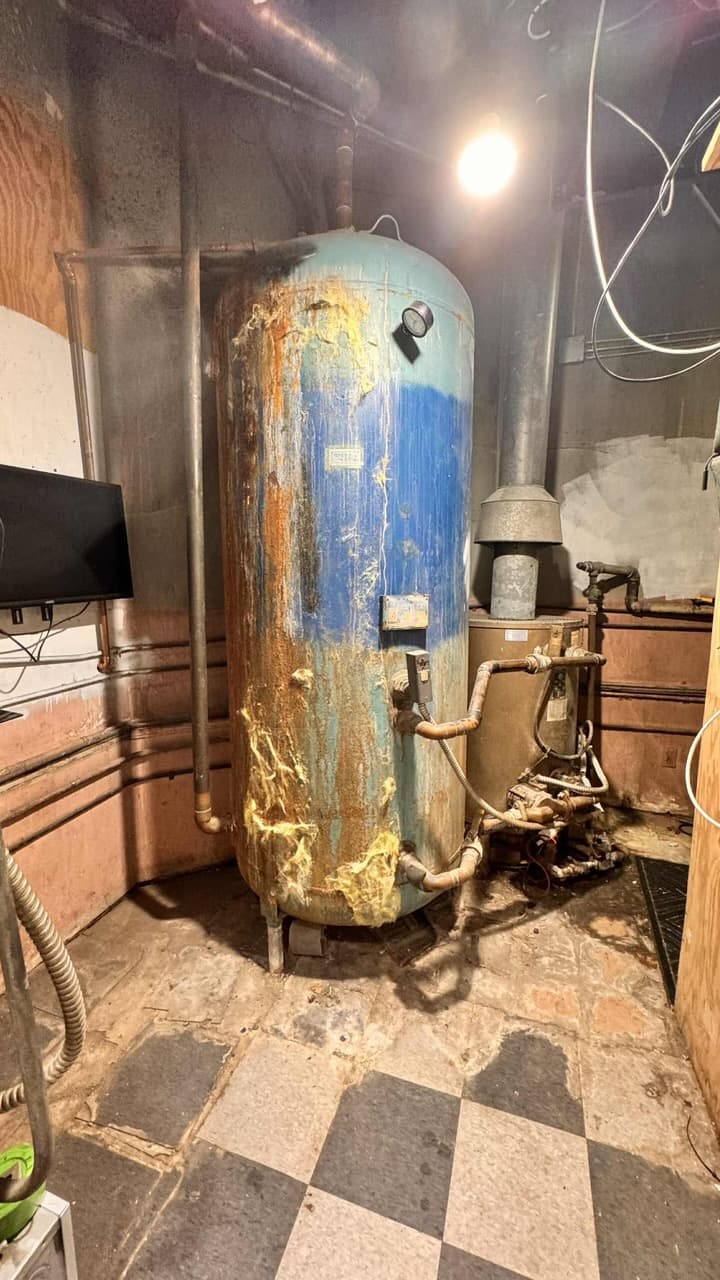
How boiler & hydronic service work plays out in Burbank
Burbank's boilers earn their keep in a few specific places. The hospital campus runs boilers year-round for domestic hot water, sterilization support, and reheat where humidity control matters. Hotels near the airport and older office buildings downtown and in the Media District carry hydronic heating loops that sit idle from spring through fall and are expected to work on the first cold December morning. Some larger studio buildings and technical facilities use hydronic reheat on air handlers that control humidity for equipment. The heating season is short, but in these buildings the consequences of a failure are not small.
What goes wrong is mostly what happens while the boiler sits. A gas valve sticks, an igniter or flame sensor fails, a circulating pump seizes after months without running, or a control sequence was altered during summer plant work and never restored. Burbank is dry, so corrosion is less of an issue than in the beach cities, but dust from the hills and construction settles in combustion air openings and on burner assemblies, especially in rooms with louvered walls. A fall startup that verifies combustion, tests safeties, exercises pumps and valves, and confirms controls is cheap compared with an emergency when the building is cold.
Hospital and institutional clients also need the paper: combustion readings, safety test results, and any control changes recorded in the DaVinci Portal where a facilities team and an auditor can find them later. Replacements are planned for summer when heating demand is minimal, with venting, gas supply, combustion air, and mechanical room access surveyed first. A full breakdown of what we check at seasonal startup is on the boiler and hydronic heating page.
Burbank's climate and what it does to this equipment
Burbank sits in the San Fernando Valley, and the valley holds heat. Summer days regularly reach the upper 90s and into the 100s during heat waves, with warm nights that limit equipment recovery. The marine layer that cools coastal cities rarely reaches this far, so cooling seasons are long and intense. Santa Ana winds add dry air, dust, and fire-season smoke that load filters and coils. In these conditions, rooftop condensers and chillers work close to their limits more often than elsewhere in the county.
For the equipment background behind this page, read our water heaters and boilers guide or the full Boilers & Hydronic Heating service page.
- Media District and studio campusesProduction lots, office buildings, edit suites, and server areas with steady cooling loads and limited tolerance for interruption.
- Magnolia ParkIndependent restaurants, cafes, and shops in older commercial buildings, where kitchens, coolers, and rooftop equipment are compact.
- Airport-area industrial and business parksLarge industrial and light-industrial buildings near Hollywood Burbank Airport with substantial rooftop equipment counts.
- Downtown Burbank and hospital campusesOffices, retail, and medical buildings where comfort, filtration, and scheduling around clinical or business hours are essential.
- Combustion analysis and tuning with logged results
- Low-water cutoff, relief valve, and flame-safeguard testing
- Condensing and non-condensing boiler service
- Hydronic loop, pump, valve, and expansion-tank diagnostics
What a boiler & hydronic service visit includes, and the problems we most often find
- Review boiler type, age, fuel, and the loads it serves
- Inspect burners, heat exchanger surfaces, venting, and combustion air
- Run combustion analysis and adjust to manufacturer specifications
- Test safeties and controls; check loop pressure, flow, and water quality
- Document results and recommend repairs or replacement timing
- Poor combustion tuning wasting fuel and fouling heat exchangers
- Condensing boilers running with return temperatures too high to condense
- Air in the loop or failing pumps causing cold zones
- Untested safeties on older boilers with no maintenance records