Boiler & Hydronic Service in City of Industry, CA
Heating is a secondary load in Industry, but boilers matter in food plants for sanitation and process hot water, and in hospitality buildings and some institutional spaces for space heating and domestic water. Systems that run seasonally or intermittently suffer from stagnant water, failed circulators and corroded controls. We test combustion and safeties, inspect expansion and relief components, and review whether a boiler sized for old production levels should be right-sized with modulating equipment. Hard local water also makes water-side maintenance a recurring topic.
One of the largest warehouse, distribution and manufacturing concentrations in the San Gabriel Valley, with food processing, rail corridors and punishing inland summer heat.
How boiler & hydronic service work plays out in City of Industry
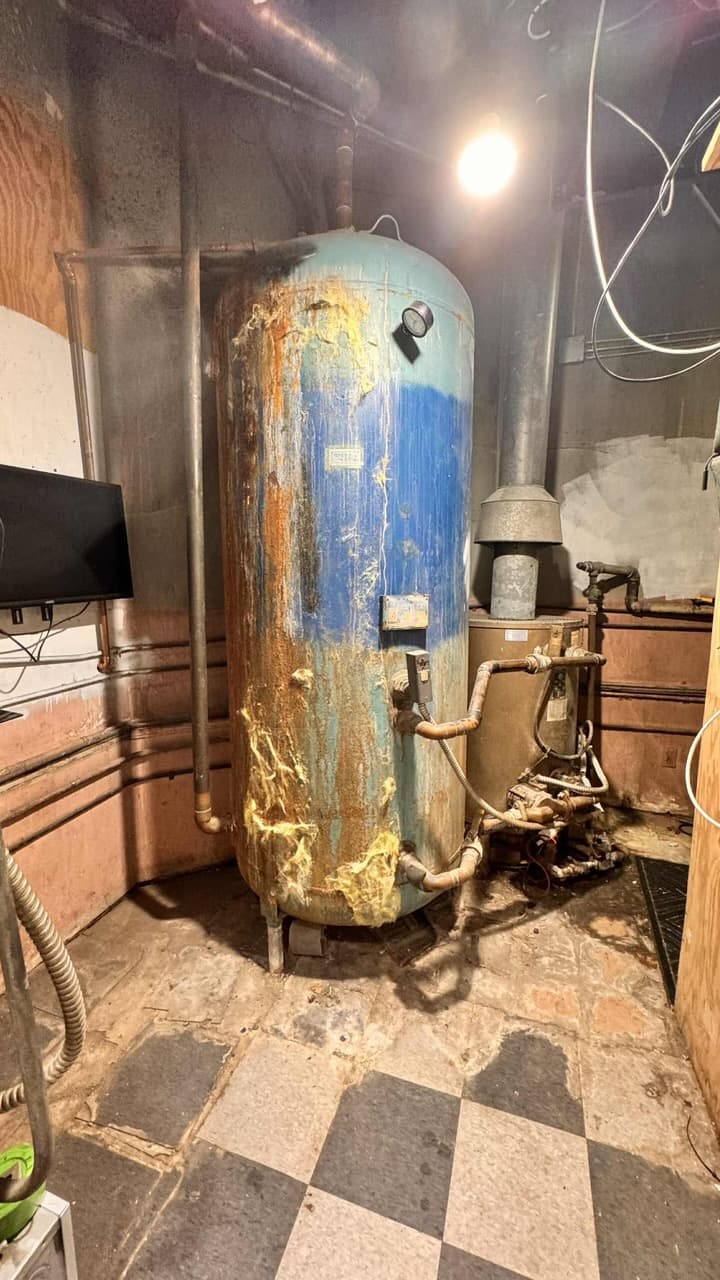
Boilers in City of Industry are mostly working boilers, not comfort boilers. Food plants run them daily for sanitation and process hot water, and those units wear out from continuous cycling, scale from hard makeup water and burner fatigue. The hospitality and conference properties in the Industry Hills and a few office and institutional buildings run hydronic heating that sits idle from spring through late fall and reveals its problems on the first cold December morning: a seized circulator, a weeping relief valve, a corroded flame sensor or a low-water cutoff that has not been exercised in a year.
For the plant boilers we focus on water-side condition, combustion efficiency and whether the equipment still matches the load. A boiler sized for a production level the plant has long since changed will short-cycle all day, and a modulating or condensing replacement sized to the current sanitation schedule often runs more steadily and more efficiently. For the seasonal systems we commission fall startups: combustion analysis, safety and limit testing, pump and expansion tank inspection, and a look at glycol and water chemistry where loops have been topped off from a hose for years.
Venting and gas supply are where replacements stall. High-efficiency equipment cannot share old chimneys, mechanical rooms have been subdivided, and gas service was sized decades ago. We scope those items before specifying equipment so the project does not stop at the inspection. The commercial water heaters and boilers guide covers venting categories in general terms; confirm current code requirements with the city for any specific project.
City of Industry's climate and what it does to this equipment
City of Industry sits in the San Gabriel Valley, well inland, and summer afternoons regularly push past 95 degrees with stretches of triple digits. Large dark roofs soak up that heat, so rooftop units work against extreme ambient conditions plus radiant load from the roof surface. Low humidity makes evaporative approaches effective but also puts a premium on clean condensers, since dusty air from rail yards and truck traffic builds up fast on coils. Santa Ana wind events add debris and static pressure problems, and winter nights are mild enough that heating loads stay light.
For the equipment background behind this page, read our water heaters and boilers guide or the full Boilers & Hydronic Heating service page.
- Valley Boulevard and Azusa Avenue distribution corridorLarge tilt-up warehouses with long rooftop unit rows, dock offices and multi-shift operations.
- Gale Avenue and Nelson Avenue manufacturing and food-processing blocksPlants with process refrigeration, sanitation hot water and make-up air demands that change with production.
- Puente Hills Mall and Fullerton Road retailAnchor and strip retail with restaurants, older packaged equipment and shared roof infrastructure.
- Industry Hills hospitality and business park areaResort, event and office properties with hot water loads, chilled-water or large packaged systems and seasonal event peaks.
- Combustion analysis and tuning with logged results
- Low-water cutoff, relief valve, and flame-safeguard testing
- Condensing and non-condensing boiler service
- Hydronic loop, pump, valve, and expansion-tank diagnostics
What a boiler & hydronic service visit includes, and the problems we most often find
- Review boiler type, age, fuel, and the loads it serves
- Inspect burners, heat exchanger surfaces, venting, and combustion air
- Run combustion analysis and adjust to manufacturer specifications
- Test safeties and controls; check loop pressure, flow, and water quality
- Document results and recommend repairs or replacement timing
- Poor combustion tuning wasting fuel and fouling heat exchangers
- Condensing boilers running with return temperatures too high to condense
- Air in the loop or failing pumps causing cold zones
- Untested safeties on older boilers with no maintenance records