Boiler & Hydronic Service in El Segundo, CA
Heating loads are modest in this part of the county, but hydronic systems still matter at El Segundo hotels, laboratories needing reheat and older office buildings with boiler-fed coils. A boiler that sits idle most of the year invites failed pumps, stuck valves and neglected burners, then gets called on during the one cold snap that exposes it. We test combustion, controls and safeties before the season, check reheat valves that leak heat into cooled spaces, and review condensing boiler options where return temperatures support them.
Aerospace, technology and corporate campuses wedged between LAX, the refinery and the Pacific Coast Highway corridor, with salt-laden coastal air shortening equipment life.
How boiler & hydronic service work plays out in El Segundo
Heating in El Segundo is a reheat and hot water problem more than a comfort heating problem. The campuses use hydronic reheat at variable air volume boxes to hold temperature in labs and offices served by cold central air, and those boilers run more than the weather suggests because reheat is needed in interior zones even on mild days. Hotels on Imperial Highway and Sepulveda Boulevard run boilers for domestic hot water and for guest-floor heating during the damp coastal winter. Older office buildings along Sepulveda still have boiler-fed heating coils.
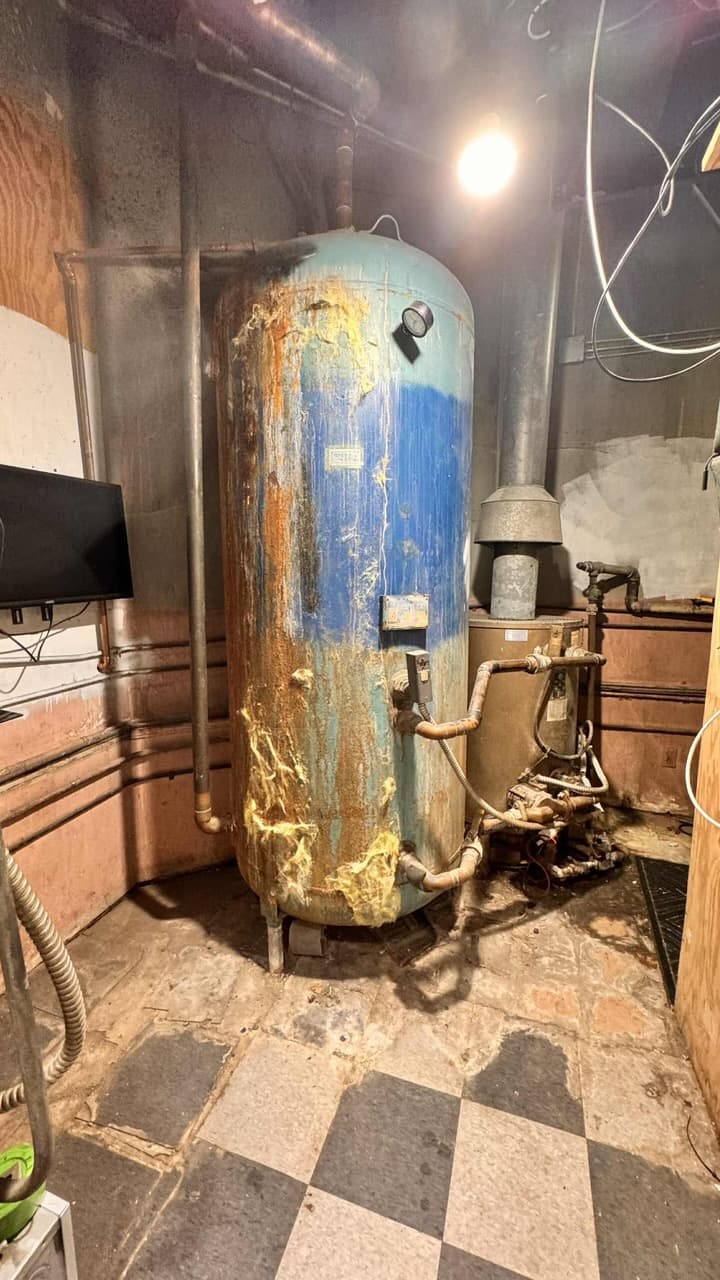
The failures come from idleness and from the air. A boiler that sits lightly loaded from April through November develops stuck zone valves, seized circulating pumps, drifting pressure-reducing valves, and burner components with corrosion on igniters and flame sensors from the damp marine air in a mechanical room. Flue connections and draft inducers corrode. Reheat valves that fail open leak heat into cooled zones and raise cooling cost all summer, and that fault is invisible until someone trends it or notices the chiller running harder than the weather justifies.
Preseason service tests combustion, safeties, controls, pumps, and valves, and inspects for corrosion specifically. Replacement planning for campus and hotel loops usually examines condensing boilers, which fit the low return temperatures of reheat systems well, along with the venting, condensate neutralization, and gas supply changes they bring. El Segundo's building department issues the permit, and we check its current submittal requirements before drawings are finalized. See boilers and hydronic heating and the laboratories and biotech sector page.
El Segundo's climate and what it does to this equipment
El Segundo sits at the edge of Santa Monica Bay, so mornings often open under the marine layer and afternoons rarely reach the extremes seen inland. That mildness hides the real stress: constant salt-laden air attacks condenser fins, copper tubing, fan guards and rooftop cabinets, and airport and refinery particulates load coils and filters faster than inland offices. Humidity runs higher than most of Los Angeles County, which affects economizer behavior and condensate management. Equipment is rarely heat-stressed, but coating failure and coil corrosion cut service life well short of inland counterparts.
For the equipment background behind this page, read our water heaters and boilers guide or the full Boilers & Hydronic Heating service page.
- Campus and corporate row (Douglas, Continental and Nash)Aerospace, entertainment-tech and corporate campuses with chilled-water plants, VAV systems and tight uptime expectations for labs and data rooms.
- Sepulveda and Imperial hotel and office stripAirport-serving hotels and mid-rise offices with continuous hot water demand, rooftop plant and strict noise limits at night.
- Downtown El Segundo (Main Street)Older low-rise buildings with restaurants, cafes and small retail, where walk-ins, makeup air and shared roofs are the main challenges.
- Smoky Hollow and the southern industrial blocksOlder creative-office conversions and light industrial buildings mixing legacy packaged units with newer tenant-driven mini-splits.
- Combustion analysis and tuning with logged results
- Low-water cutoff, relief valve, and flame-safeguard testing
- Condensing and non-condensing boiler service
- Hydronic loop, pump, valve, and expansion-tank diagnostics
What a boiler & hydronic service visit includes, and the problems we most often find
- Review boiler type, age, fuel, and the loads it serves
- Inspect burners, heat exchanger surfaces, venting, and combustion air
- Run combustion analysis and adjust to manufacturer specifications
- Test safeties and controls; check loop pressure, flow, and water quality
- Document results and recommend repairs or replacement timing
- Poor combustion tuning wasting fuel and fouling heat exchangers
- Condensing boilers running with return temperatures too high to condense
- Air in the loop or failing pumps causing cold zones
- Untested safeties on older boilers with no maintenance records
Boiler & Hydronic Service in El Segundo: questions we get
Our chiller seems to run harder than the weather justifies. Could the heating system be the cause?
Often yes. Reheat valves that leak or fail open add heat to zones the cooling system then has to remove, and the result is a plant that works harder every hour of the year. We check valve position against command across the reheat boxes, look at zone discharge temperatures, and trend chiller load against outdoor conditions to spot the mismatch. Fixing a handful of leaking reheat valves can reduce chiller load noticeably and extend the boiler's off-season.
How much of the year should a campus reheat boiler actually run?
More than people expect. Even in El Segundo's mild climate, interior zones served by cold supply air need reheat whenever the space load is low, which happens on cool mornings and in lightly occupied areas year-round. A reheat boiler that runs in July is not necessarily malfunctioning. What matters is that it runs efficiently at the low return temperatures reheat produces, which is where condensing boilers and correct hot water reset schedules earn their place.
Do commercial boilers need annual service?
Yes. Annual combustion tuning and safety testing is standard practice, and boilers are also subject to jurisdictional inspection requirements that vary by type.
Can you replace a boiler without a long shutdown?
Often, with planning: staged piping, temporary heat where needed, and scheduling around the heating season.
Do you work on steam systems?
We evaluate steam and hot-water systems individually. Send us the equipment details and we will confirm scope.