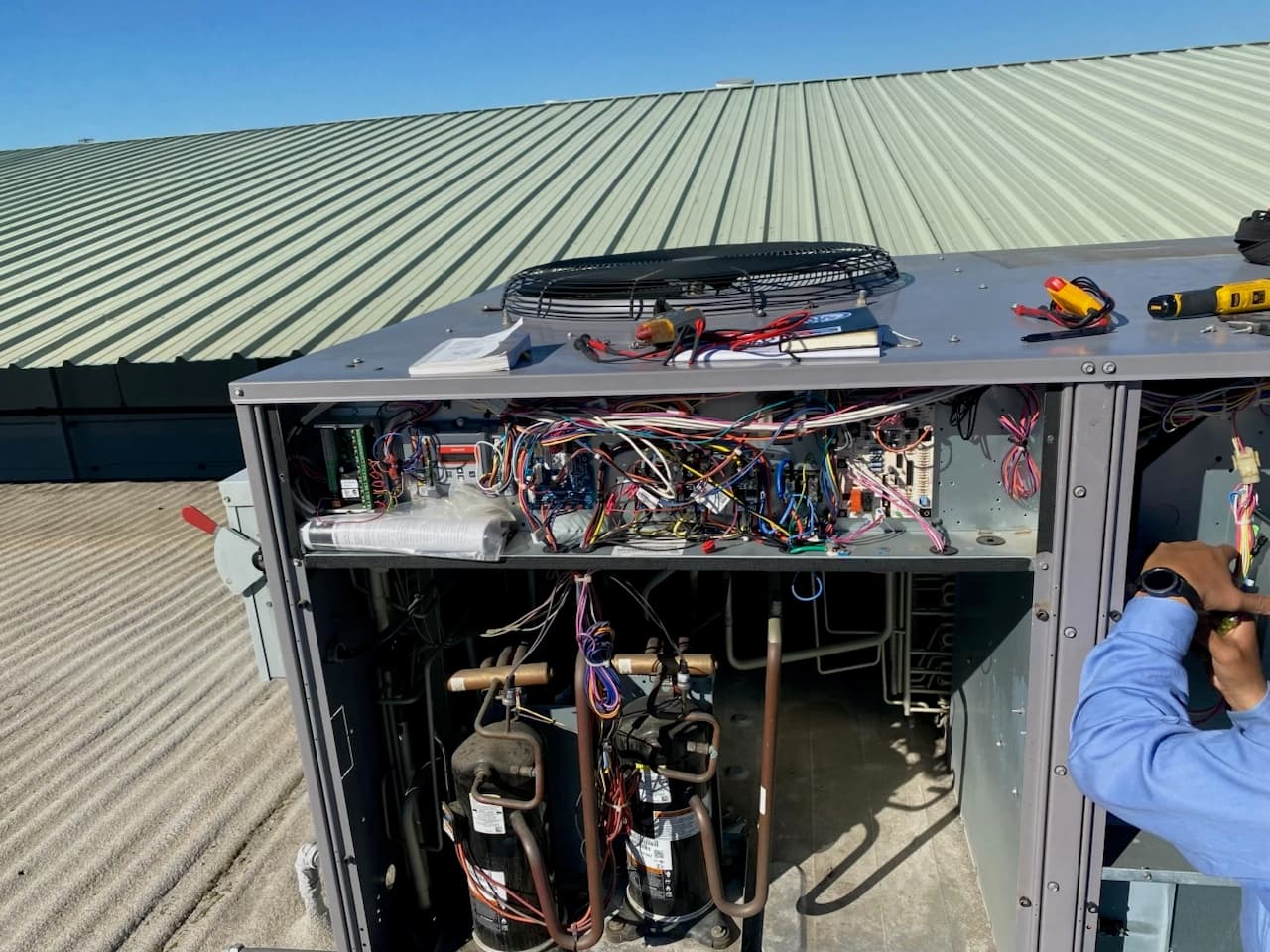
How diagnostics flow into repair, replacement, or maintenance
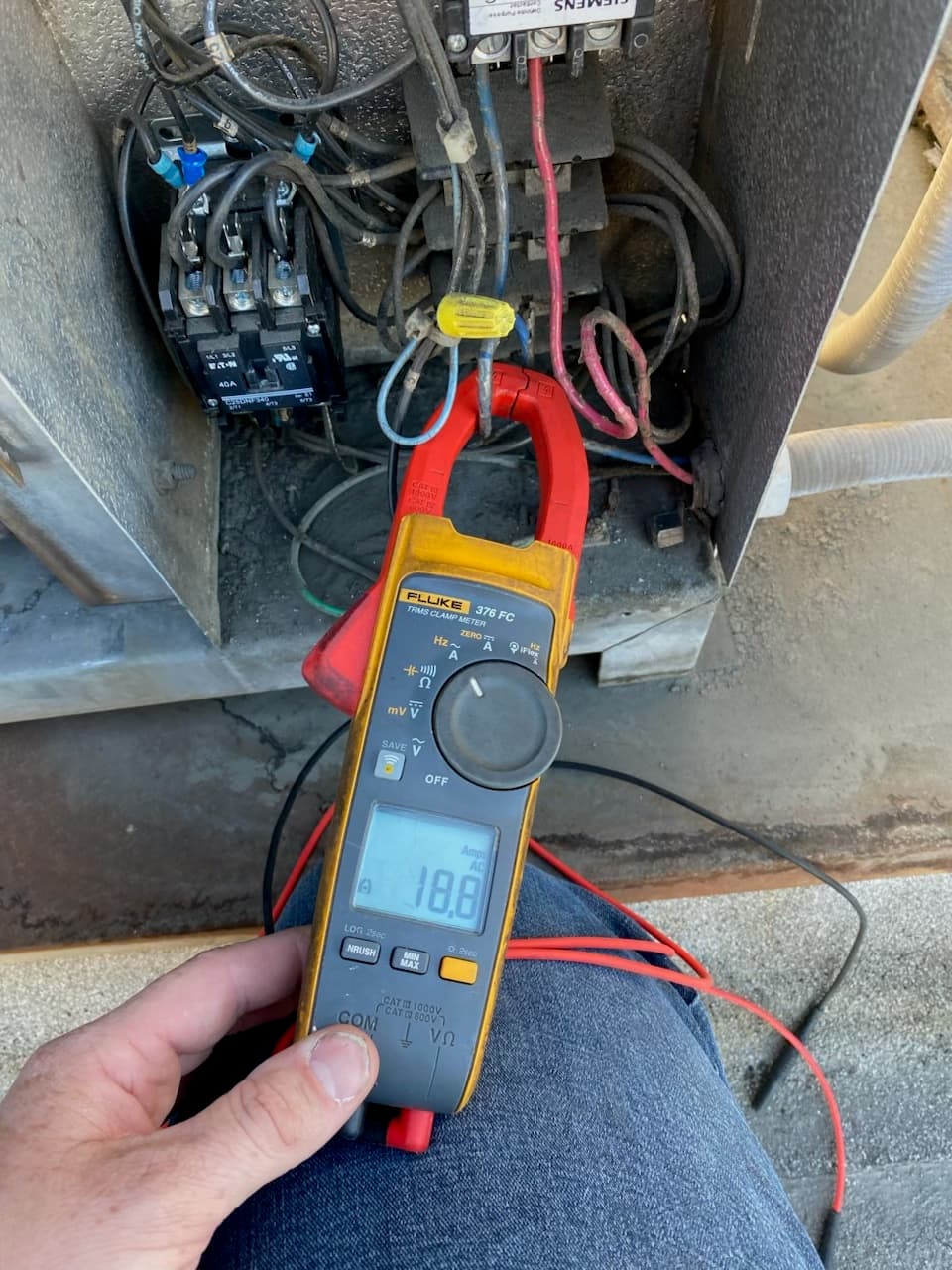
Every job starts the same way regardless of which service it ends up under: find out what is actually wrong. A large share of commercial service calls across the industry consist of replacing the component that tripped without asking why it tripped. A compressor that fails on high head pressure gets replaced; the dirty condenser coil or failed fan that caused the high pressure is left alone; the new compressor fails the same way in a year or two. Root-cause diagnostics means tracing the fault back to the condition that produced it and fixing that condition, even when it is less dramatic than the part that failed.
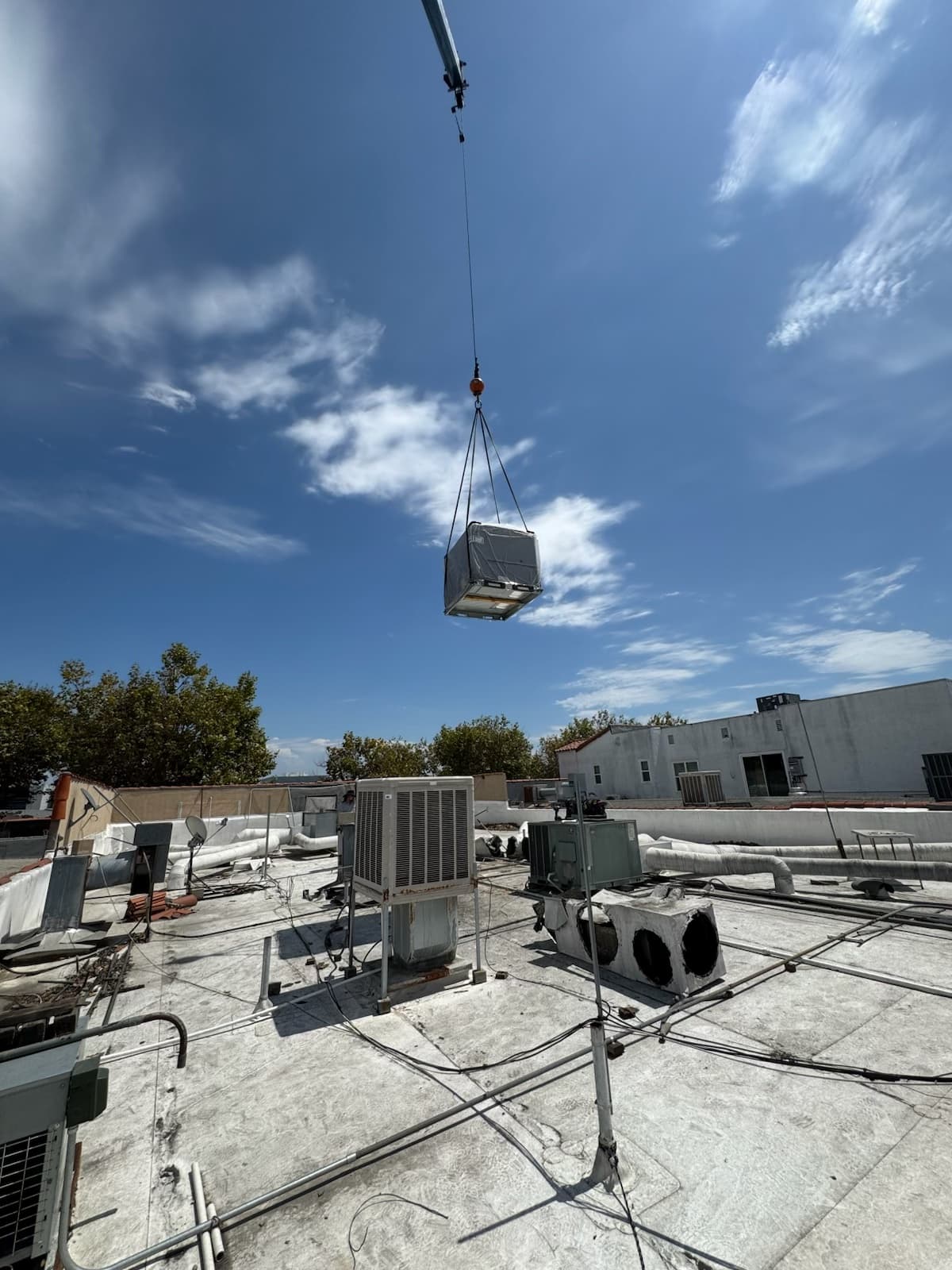
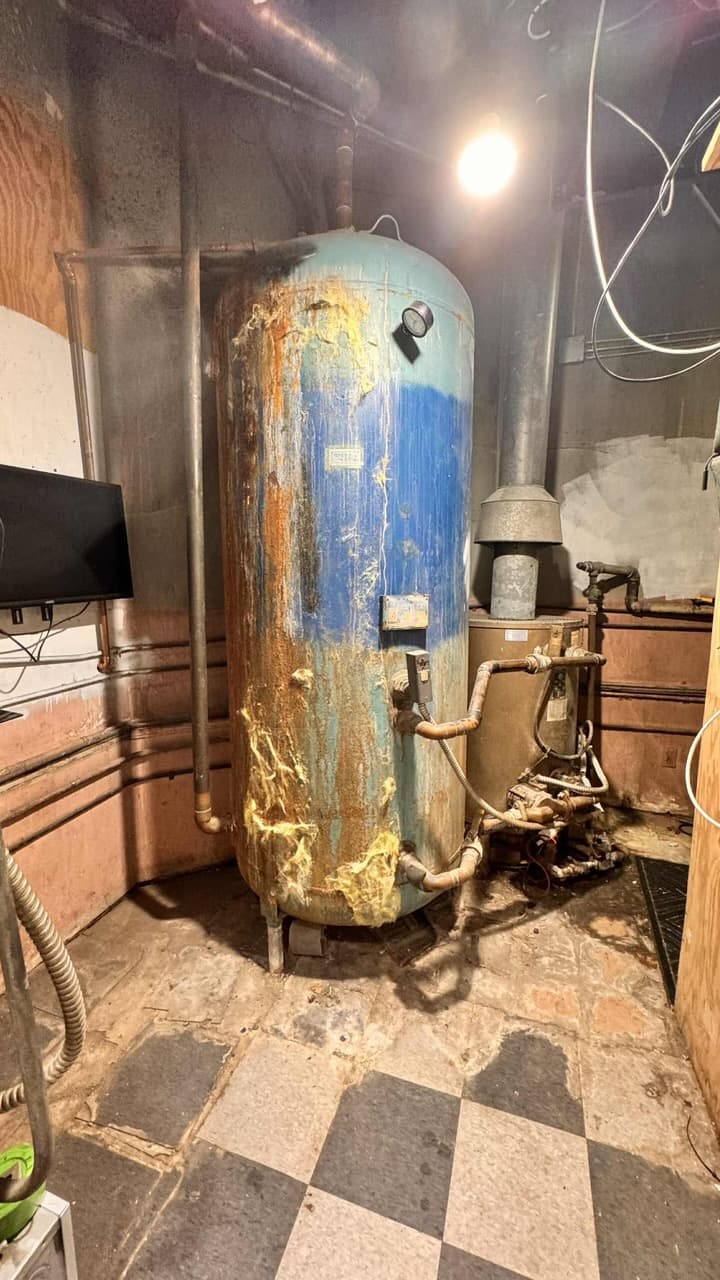
The diagnostic visit produces one of three outcomes. A repair, where the equipment is sound and a specific fault can be corrected with a reasonable expectation that it stays corrected. A replacement conversation, where age, condition, or refrigerant make further repair a poor use of money, leading to RTU replacement, a refrigeration system replacement, or a plant or VRF project. Or a maintenance finding: the equipment is fine, the fault was caused by neglect (coils, filters, belts, drains, sensors), and the right response is a program so the neglect stops.
What ties the three together is the record. Readings taken during any visit are logged to the asset in the DaVinci Portal, where a QR label on the equipment gives anyone with a phone the service history, readings, and photos. On a maintenance plan the same readings get taken every visit, which turns a data point into a trend, and a trend is what lets a technician say the suction pressure has been creeping for three quarters and the unit probably has a slow leak, rather than discovering the leak when the compressor seizes. The diagnostics guide goes deeper on method; the second opinion diagnostic applies the process to a job someone else has already attempted.
- Intake: what the building is doing, what has already been tried, what is at risk (product, patients, tenants, operations)
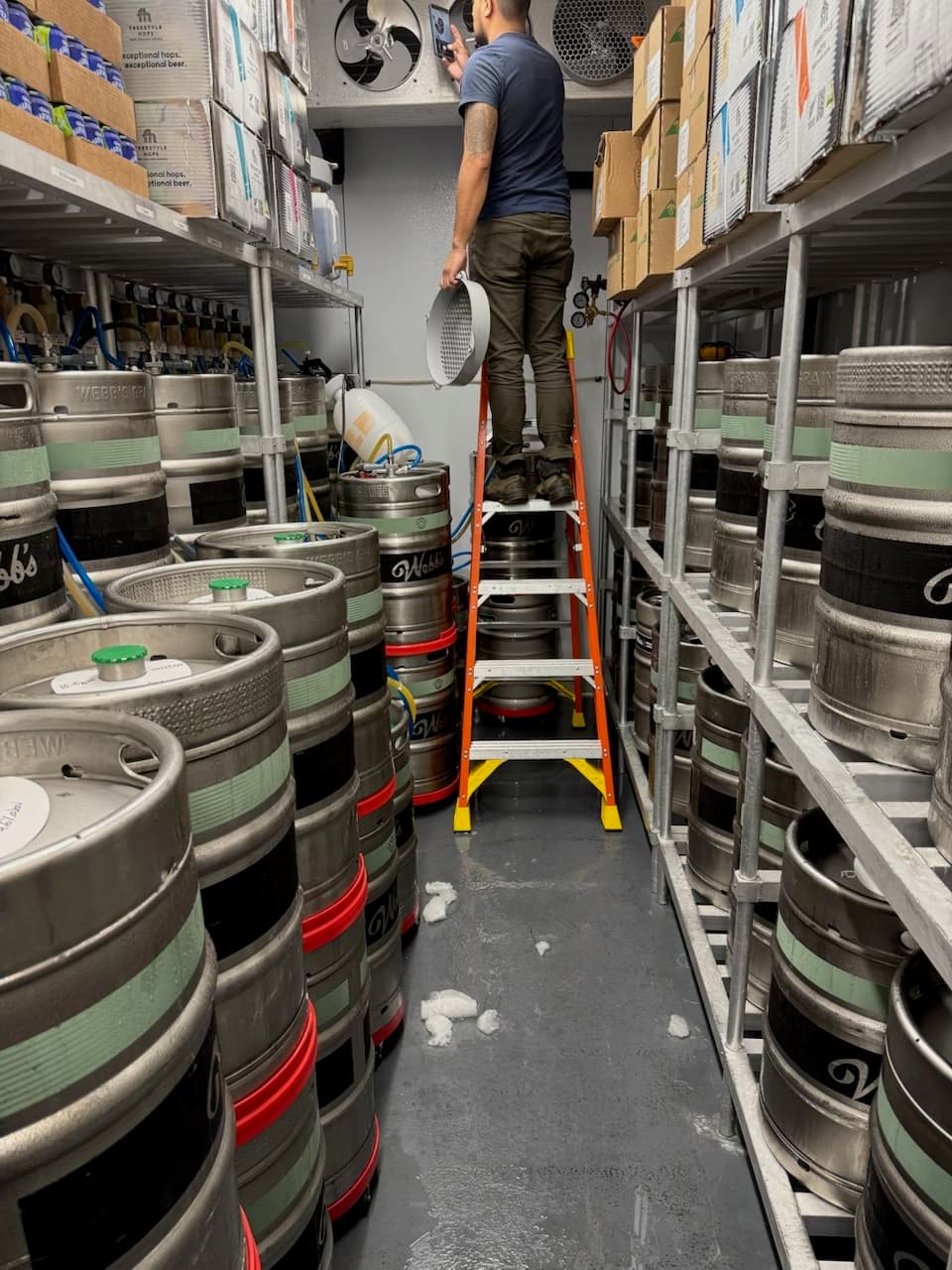
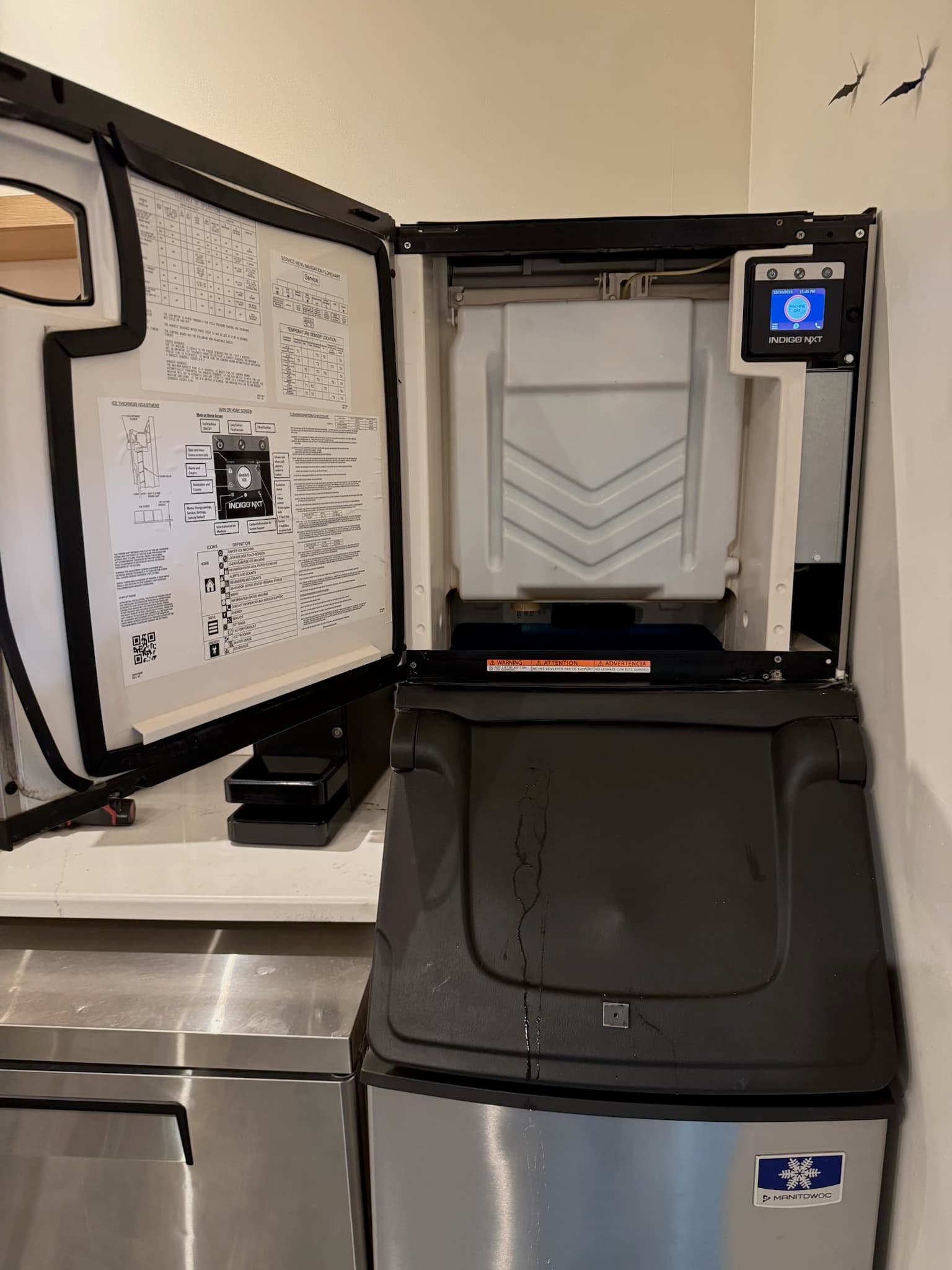
- Diagnosis: readings, inspection, and fault tracing on the equipment and the conditions around it
- Options: repair, replace, or maintain, explained with the reasoning, before any work is authorized
- Work: performed to the standard the equipment and the code require, documented with readings and photos
- Record: logged to the asset so the next decision is made from history rather than from scratch