Boiler & Hydronic Service in Los Angeles, CA
Los Angeles heating loads are modest compared with colder regions, but boilers and hydronic loops still serve older hotels, hospitals and clinics, and mixed-use buildings with reheat or domestic hot water loops. These systems often sit in mechanical rooms that were built for earlier equipment, with aging piping, stale controls, and combustion air that has been modified over the years. Service concentrates on safe combustion, circulation, and control logic so a lightly used system comes on dependably when it is needed.
A sprawling mix of high-rise offices, production and creative space, food distribution in the industrial core, and a long LAX-adjacent logistics corridor, all under one of the state's most demanding permit environments.
How boiler & hydronic service work plays out in Los Angeles
Los Angeles does not look like boiler country, but the buildings disagree. Older hotels downtown and in Hollywood run steam or hot water for guest heating and domestic hot water support. Hospitals and clinics along the Wilshire and Westwood medical corridors use hydronic loops for reheat, where a boiler outage in January means a cold waiting room and a compliance headache. High-rises on Bunker Hill often have perimeter heating loops that only get called on during the few genuinely cold weeks, and that is exactly when a pump that sat idle since March refuses to start.
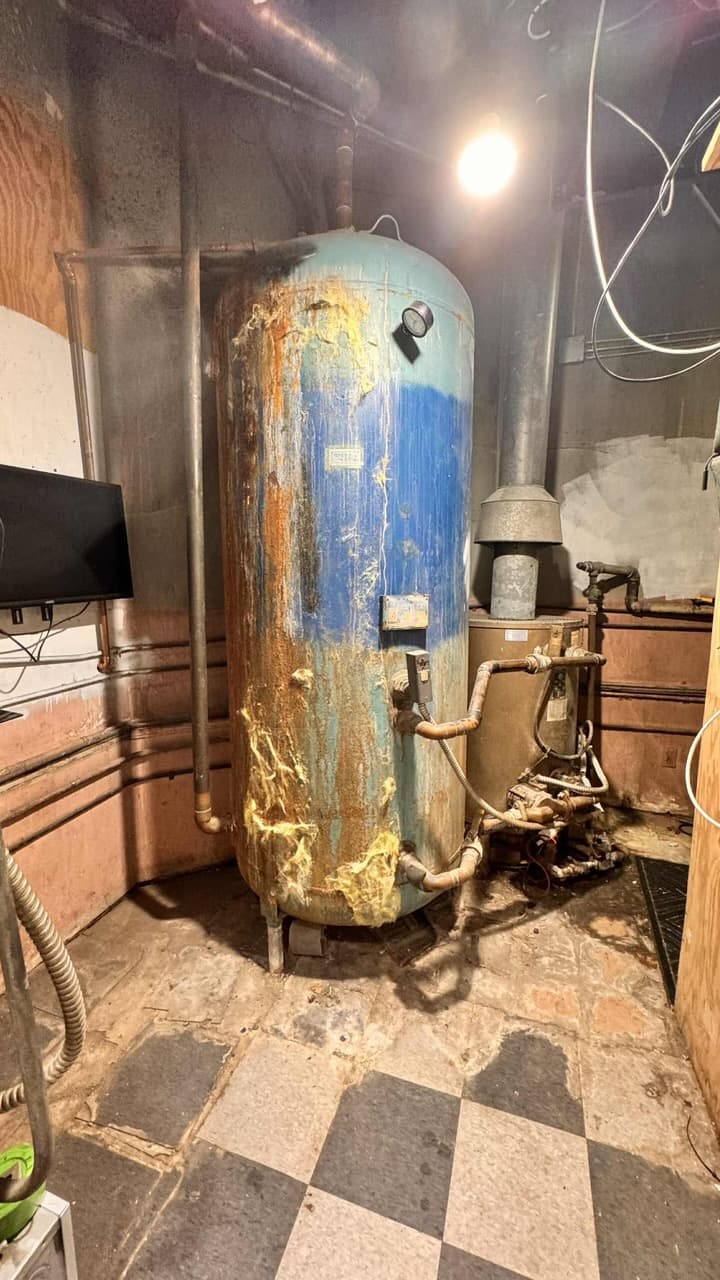
The mechanical rooms are the challenge. In pre-war buildings the boiler sits where the original coal or oil unit did, with combustion air openings that have been partly blocked by later tenant improvements and flues that run through floors nobody has opened in years. Controls are typically a stack of generations: an original aquastat, a 1990s sequencer, and a recent building automation point that may or may not be talking to the burner. Service means confirming combustion with instruments, verifying circulation across every zone, and tracing which control layer actually governs the burner.
The useful outcome is a heating system that starts on the first cold morning without an engineer standing over it. That takes a pre-season visit in October or November, with combustion tuning, pump and valve exercise, low-water cutoff testing, and a control sequence check, logged so the building has a record for the next year. Properties with both a boiler and a chiller plant usually fold this into a single central plant program so the heating side is not forgotten during the long cooling season.
Los Angeles's climate and what it does to this equipment
Los Angeles has a Mediterranean climate, but the city spans very different conditions. Areas near the coast stay under the marine layer through much of late spring and early summer, while the basin and downtown run noticeably hotter in late summer and early fall, and Santa Ana wind events can bring dry heat and blowing dust. Equipment sees long cooling seasons, and rooftop condensers in urban areas collect soot, leaf litter, and airborne grime. Older buildings with undersized airflow often show problems only during the first stretch of real heat, which is exactly when response time matters most.
For the equipment background behind this page, read our water heaters and boilers guide or the full Boilers & Hydronic Heating service page.
- Downtown Los Angeles and the Historic CoreConverted older buildings, high-rise offices, and new mixed-use towers, with a mix of central plants, VRF, and rooftop equipment that often needs careful hoisting and access planning.
- Mid-Wilshire, Miracle Mile, and Century CityDense office towers and professional suites along Wilshire, where chilled water systems, after-hours scheduling, and tenant-sensitive work windows shape every service call.
- Hollywood and studio-related production spaceProduction offices, post-production suites, and sound-sensitive rooms where noise, humidity, and tight temperature control matter as much as capacity.
- Arts District, Vernon-adjacent industrial, and the LAX corridorFood distribution, cold storage, and warehouse buildings east of downtown, plus hotels and logistics buildings along the airport corridor on the west side.
- Combustion analysis and tuning with logged results
- Low-water cutoff, relief valve, and flame-safeguard testing
- Condensing and non-condensing boiler service
- Hydronic loop, pump, valve, and expansion-tank diagnostics
What a boiler & hydronic service visit includes, and the problems we most often find
- Review boiler type, age, fuel, and the loads it serves
- Inspect burners, heat exchanger surfaces, venting, and combustion air
- Run combustion analysis and adjust to manufacturer specifications
- Test safeties and controls; check loop pressure, flow, and water quality
- Document results and recommend repairs or replacement timing
- Poor combustion tuning wasting fuel and fouling heat exchangers
- Condensing boilers running with return temperatures too high to condense
- Air in the loop or failing pumps causing cold zones
- Untested safeties on older boilers with no maintenance records
Boiler & Hydronic Service in Los Angeles: questions we get
Our Hollywood hotel's boiler only runs a few months a year. Is annual service really necessary for something used that little?
Light use is the reason it needs attention, not an excuse to skip it. Boilers that sit idle eight months a year develop stuck valves, seized pump bearings, dried gaskets, and control relays that fail on the first call for heat. A pre-season visit that fires the burner, checks combustion, exercises the pumps, and tests the safeties is what keeps a lightly used system from failing on the coldest night of the year with a full house.
Our medical office on Wilshire has reheat coils fed by a boiler and the clinic complains of cold exam rooms. Is that a boiler problem?
Often it is a circulation or control problem rather than the boiler itself. A boiler that fires fine can still leave distant reheat coils cold if a zone valve is stuck, a pump is weak, or the building automation is calling for heat at the wrong time. The diagnosis checks supply and return temperatures at the boiler and at the coil, zone valve operation, and the control sequence before anything on the burner is touched.
Do commercial boilers need annual service?
Yes. Annual combustion tuning and safety testing is standard practice, and boilers are also subject to jurisdictional inspection requirements that vary by type.
Can you replace a boiler without a long shutdown?
Often, with planning: staged piping, temporary heat where needed, and scheduling around the heating season.
Do you work on steam systems?
We evaluate steam and hot-water systems individually. Send us the equipment details and we will confirm scope.