Boiler & Hydronic Service in Glendale, CA
Glendale winters are mild, but boilers still serve hospital campuses, some hotels, and older buildings with hydronic reheat or domestic hot water support. Because these systems run only part of the year, they suffer from idle-season issues like stuck valves, weak pumps, and stale controls. Service concentrates on combustion safety, circulation, and control behavior, with preseason checks to make sure heat arrives when a rare cold snap hits. Hotel and hospital-adjacent systems in Glendale are the most common beneficiaries of this preseason work.
Brand Boulevard retail and mixed-use, entertainment and animation offices, hospital campuses, and the Glendale Galleria area at the edge of the San Fernando Valley.
How boiler & hydronic service work plays out in Glendale
Heating is a short season in Glendale, but when it arrives it arrives in buildings that cannot be casual about it. The hospital campuses run boilers year-round for domestic hot water, sterilization support, and reheat in air handlers that need humidity control; hotels on the 134 corridor and older office buildings downtown rely on hydronic heating loops that sit idle from April to November and are then expected to perform on the first cold morning in December. Mixed-use buildings around the Americana sometimes have central plants that serve both heating and hot water, where a boiler fault affects everyone at once.
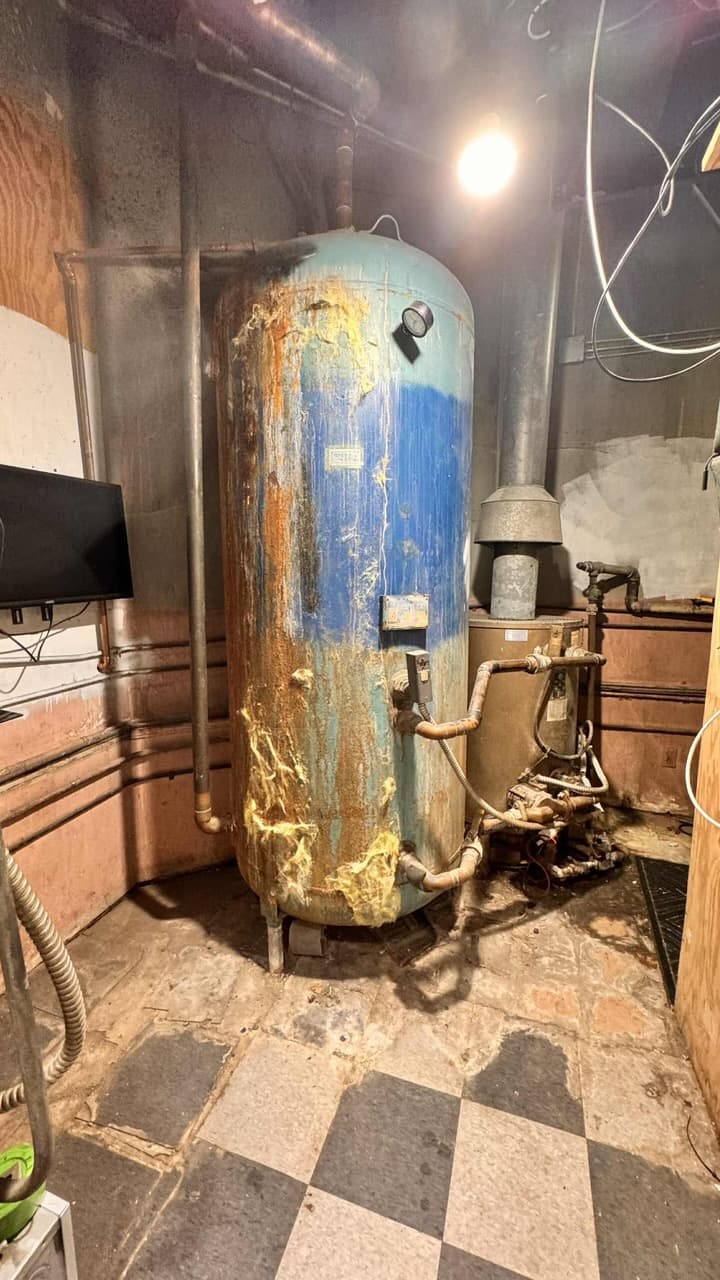
The failure mode is neglect by inactivity. A boiler that has not fired since spring can have a stuck gas valve, a failed ignition component, a circulating pump seized from months of sitting, or a control sequence that was changed over the summer and never reset. Glendale's dry climate means less corrosion than coastal cities, but foothill dust accumulates in combustion air openings and on burner assemblies in rooms with louvered walls. A fall startup that checks combustion, safeties, pumps, valves, and controls is far cheaper than a December emergency.
For hospital and institutional clients, the documentation is as important as the service: combustion readings, safety test results, and any change in control settings are recorded in the DaVinci Portal where the facilities team and an auditor can find them. Replacements are planned in the warm months when the boiler is not needed, with venting, gas supply, and mechanical room access surveyed ahead of time. The boiler and hydronic heating page explains what a seasonal startup includes.
Glendale's climate and what it does to this equipment
Glendale is warmer than the coast, with hot, dry summers shaped by its position against the Verdugo Mountains and the edge of the San Fernando Valley. Summer afternoons regularly reach the 90s, with heat waves that go higher, and nights offer less relief than coastal cities. Santa Ana winds bring dry air, dust, and fire-season smoke that clog filters and coils. Hillside and foothill conditions also deposit leaves and debris in outdoor equipment, and long cooling seasons make efficient airflow essential.
For the equipment background behind this page, read our water heaters and boilers guide or the full Boilers & Hydronic Heating service page.
- Downtown Glendale, Brand Boulevard, and AmericanaMixed-use retail, restaurants, offices, and residential-adjacent commercial space with central equipment rooms and extensive rooftop packages.
- Glendale Galleria areaLarge-format retail, food courts, and parking structures with long operating hours and high cooling demand.
- Entertainment and animation officesCreative campuses and studio-style offices with irregular schedules, server and edit rooms, and specialized comfort needs.
- Hospital campuses and medical officesMedical buildings where filtration, redundancy, and careful scheduling shape every service visit.
- Combustion analysis and tuning with logged results
- Low-water cutoff, relief valve, and flame-safeguard testing
- Condensing and non-condensing boiler service
- Hydronic loop, pump, valve, and expansion-tank diagnostics
What a boiler & hydronic service visit includes, and the problems we most often find
- Review boiler type, age, fuel, and the loads it serves
- Inspect burners, heat exchanger surfaces, venting, and combustion air
- Run combustion analysis and adjust to manufacturer specifications
- Test safeties and controls; check loop pressure, flow, and water quality
- Document results and recommend repairs or replacement timing
- Poor combustion tuning wasting fuel and fouling heat exchangers
- Condensing boilers running with return temperatures too high to condense
- Air in the loop or failing pumps causing cold zones
- Untested safeties on older boilers with no maintenance records