VRF & Split System Service in Los Angeles, CA
Older, constrained buildings with no room for ductwork are the reason VRF and ductless systems are so common across Los Angeles. Creative offices, converted lofts downtown and in the Arts District, and tenant improvements across Hollywood all use them to serve individual zones. Good service means checking refrigerant charge, line condition, branch controllers, and communication wiring, because a VRF fault often traces to a small communication or installation issue rather than a failed major component.
A sprawling mix of high-rise offices, production and creative space, food distribution in the industrial core, and a long LAX-adjacent logistics corridor, all under one of the state's most demanding permit environments.
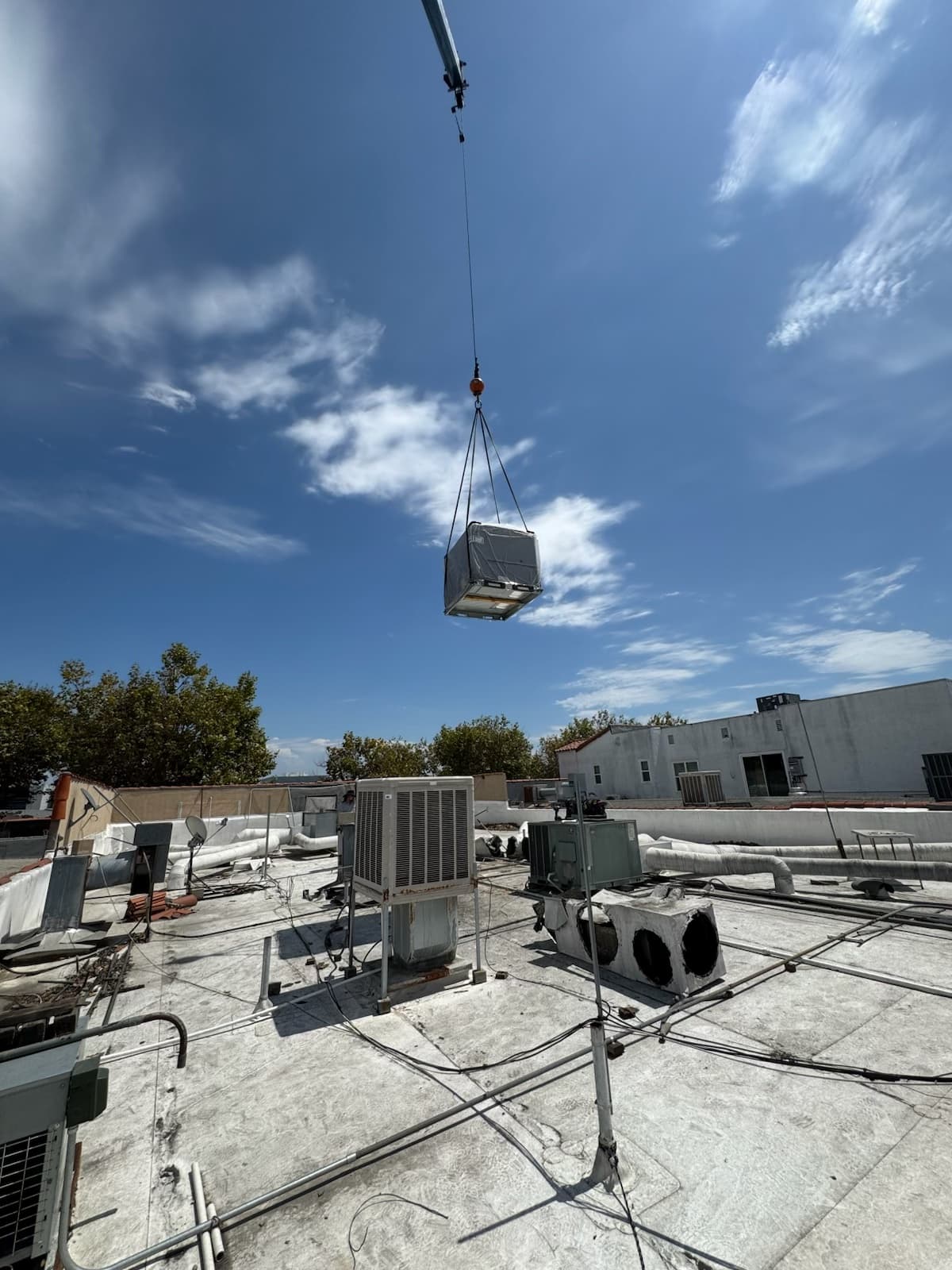
How vrf & split system service work plays out in Los Angeles
VRF arrived in Los Angeles through the converted buildings. Loft offices in the Arts District, the former garment and warehouse spaces along the Fashion District edge, and the brick creative offices in Hollywood had no ceiling space for ductwork and tenants who wanted individual control. Ductless and VRF systems solved that, and a decade later the city has thousands of outdoor units on roofs and in side yards, many installed by whoever won the tenant improvement bid and never serviced since. Medical suites along Wilshire and dental offices in Westwood followed the same path for the same reasons.
The faults are rarely the big components. A system in an Arts District loft that throws a code on one zone usually has a communication wiring issue, a low charge from a flare fitting that weeped for years, or a branch controller problem rather than a failed compressor. Outdoor units crammed onto a downtown roof next to a kitchen exhaust recirculate hot air and lose capacity on the hottest afternoons. Line sets routed through old masonry walls can be hard to inspect, so a refrigerant leak search in these buildings takes patience and the right instruments.
A well-serviced LA VRF system has a verified charge, clean outdoor coils with real clearance, communication wiring checked end to end, condensate drains cleared on every indoor unit, and a documented map of which indoor unit serves which room. That map alone saves hours on the next call. Where an older building still runs a mix of window units and splits, the VRF service page outlines what a consolidation to a single system involves, and tenant improvements in multi-tenant buildings are coordinated through the property management industry page approach.
Los Angeles's climate and what it does to this equipment
Los Angeles has a Mediterranean climate, but the city spans very different conditions. Areas near the coast stay under the marine layer through much of late spring and early summer, while the basin and downtown run noticeably hotter in late summer and early fall, and Santa Ana wind events can bring dry heat and blowing dust. Equipment sees long cooling seasons, and rooftop condensers in urban areas collect soot, leaf litter, and airborne grime. Older buildings with undersized airflow often show problems only during the first stretch of real heat, which is exactly when response time matters most.
For the equipment background behind this page, read our VRF vs. RTU vs. split systems guide or the full VRF & Commercial Split Systems service page.
- Downtown Los Angeles and the Historic CoreConverted older buildings, high-rise offices, and new mixed-use towers, with a mix of central plants, VRF, and rooftop equipment that often needs careful hoisting and access planning.
- Mid-Wilshire, Miracle Mile, and Century CityDense office towers and professional suites along Wilshire, where chilled water systems, after-hours scheduling, and tenant-sensitive work windows shape every service call.
- Hollywood and studio-related production spaceProduction offices, post-production suites, and sound-sensitive rooms where noise, humidity, and tight temperature control matter as much as capacity.
- Arts District, Vernon-adjacent industrial, and the LAX corridorFood distribution, cold storage, and warehouse buildings east of downtown, plus hotels and logistics buildings along the airport corridor on the west side.
- VRF and multi-split service with refrigerant circuit diagnostics
- Ductless mini-split installation for server rooms, tenant spaces, and additions
- Controller, communication, and zoning troubleshooting
- Documented startup and commissioning
What a vrf & split system service visit includes, and the problems we most often find
- Review the system layout: outdoor units, branch controllers, and indoor units
- Read refrigerant-circuit data and communication status
- Inspect drains, filters, coils, and line sets
- Correct the fault and re-verify operation across zones
- Document the system layout and readings by unit
- Communication faults between indoor units, branch boxes, and outdoor units
- Condensate pumps and drains failing in ceiling cassettes
- Refrigerant leaks in long line sets and field joints
- Zones fighting each other because of control setup