Commercial HVAC Repair in Los Angeles, CA
Los Angeles buildings tend to arrive at a repair call with history: an older rooftop package that was patched twice, a split system shared across tenants, or a restaurant line that keeps tripping the same safety. The first hour on site is spent reading what the equipment is actually reporting, then confirming airflow, refrigerant circuit, and controls before replacing anything. For downtown towers and Wilshire suites, that also means coordinating with building engineers and respecting freight elevator and after-hours rules, so the repair is clean and documented rather than just fast.
A sprawling mix of high-rise offices, production and creative space, food distribution in the industrial core, and a long LAX-adjacent logistics corridor, all under one of the state's most demanding permit environments.
How commercial hvac repair work plays out in Los Angeles
A typical Los Angeles repair call does not start on the roof. It starts at a security desk on Figueroa or Flower, where the technician signs in, gets a badge, and waits for the building engineer to unlock the freight elevator and the roof hatch. Bunker Hill and Financial District towers run on house rules: loud work after 6 p.m., no refrigerant recovery near intake louvers, and a written summary left with engineering before the truck leaves. Along Wilshire from Koreatown to Westwood, mid-rise medical and professional buildings are looser about access but tighter about hours, because a dental suite with a down unit at 10 a.m. is losing appointments by noon.
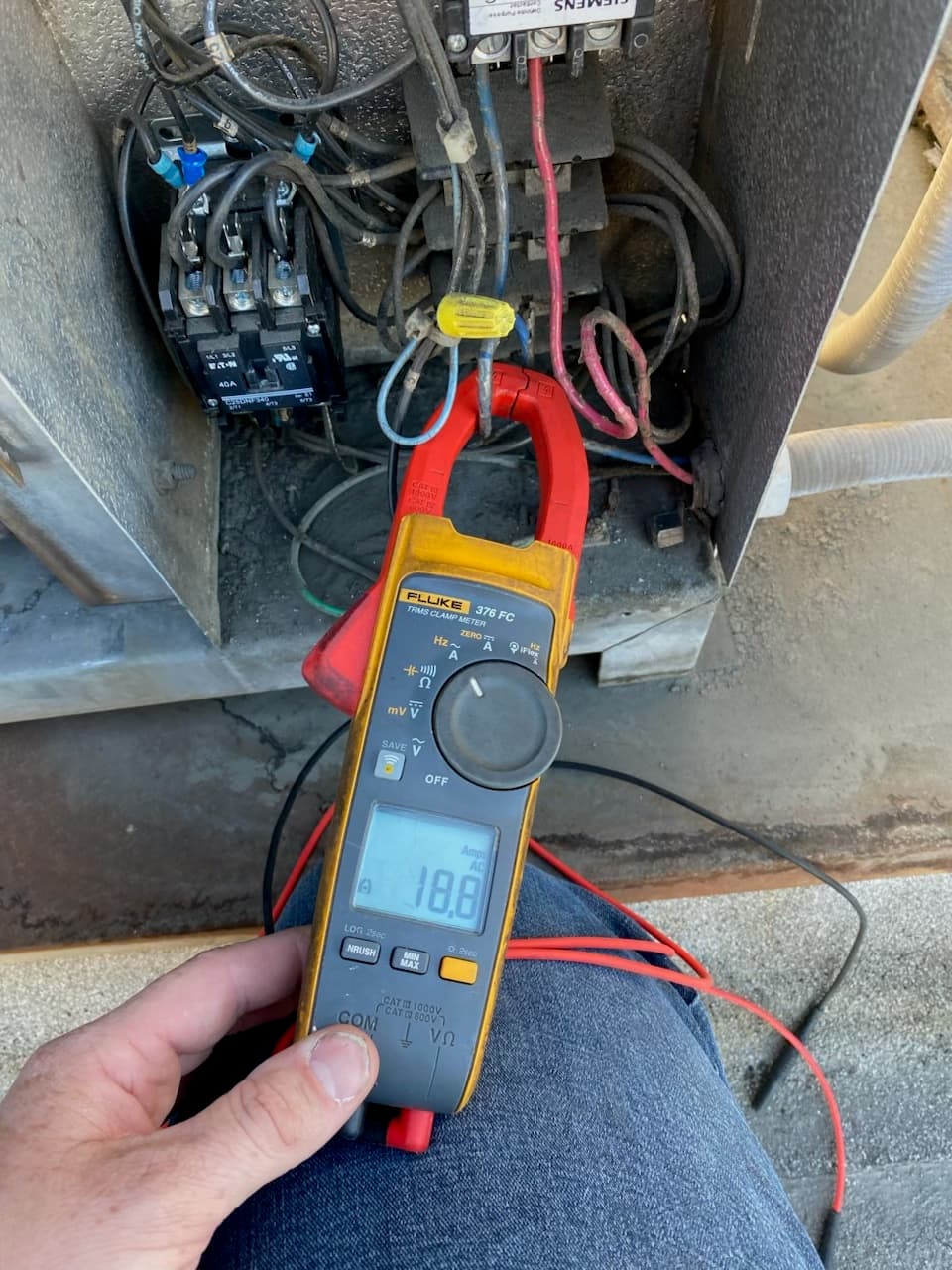
Out in the flatlands the story changes. Strip retail along Pico, Western, and Van Nuys Boulevard carries 15 to 25 year old rooftop packages served by whichever contractor the last tenant happened to call, so the unit arrives with a mismatched contactor, a jumpered pressure switch, and no record of what refrigerant is actually in it. Restaurants in Silver Lake and Highland Park storefronts have the same problem with condensers tucked into alleys that hold heat all afternoon. The job on these calls is to measure first: static pressure, superheat and subcooling, amperage against nameplate, and the condition of the condensate drain, before any part is quoted.
What a good outcome looks like in this city is a repair that holds through the first real heat week in August and September, when downtown and the Valley push past 95 and every undersized or neglected unit on the block fails at once. It also means a record. Property managers who oversee a dozen LA buildings from a single office want each unit's findings, photos, and readings stored where the next technician can see them, which is what DaVinci Portal does. When a unit has been patched twice already, a second-opinion diagnostic usually settles whether a third repair is worth it.
Los Angeles's climate and what it does to this equipment
Los Angeles has a Mediterranean climate, but the city spans very different conditions. Areas near the coast stay under the marine layer through much of late spring and early summer, while the basin and downtown run noticeably hotter in late summer and early fall, and Santa Ana wind events can bring dry heat and blowing dust. Equipment sees long cooling seasons, and rooftop condensers in urban areas collect soot, leaf litter, and airborne grime. Older buildings with undersized airflow often show problems only during the first stretch of real heat, which is exactly when response time matters most.
For the equipment background behind this page, read our root-cause diagnostics guide or the full Commercial Troubleshooting & Repair service page.
- Downtown Los Angeles and the Historic CoreConverted older buildings, high-rise offices, and new mixed-use towers, with a mix of central plants, VRF, and rooftop equipment that often needs careful hoisting and access planning.
- Mid-Wilshire, Miracle Mile, and Century CityDense office towers and professional suites along Wilshire, where chilled water systems, after-hours scheduling, and tenant-sensitive work windows shape every service call.
- Hollywood and studio-related production spaceProduction offices, post-production suites, and sound-sensitive rooms where noise, humidity, and tight temperature control matter as much as capacity.
- Arts District, Vernon-adjacent industrial, and the LAX corridorFood distribution, cold storage, and warehouse buildings east of downtown, plus hotels and logistics buildings along the airport corridor on the west side.
- Root-cause diagnostics, not guesswork
- Truck-stocked parts for common same-day fixes
- Clear repair options before any work is authorized
- DaVinci Portal included: QR service history, notes, photos
What a commercial hvac repair visit includes, and the problems we most often find
- Call in the issue — what the equipment is doing, and what it's affecting
- Tech arrives with truck-stocked parts for the most common failures on that equipment type
- Root-cause diagnostic with readings taken and logged, not just symptom patching
- Repair options presented with pricing before anything is authorized
- Approved work completed same-visit where parts allow; readings logged to the Portal
- Electrical failures — contactors, capacitors, and control boards
- Refrigerant leaks and low-charge symptoms
- Failed motors, bearings, and belts on fans and blowers
- Clogged condensate drains causing water damage or shutdowns