Boiler & Hydronic Service in Culver City, CA
Heating needs in Culver City are modest, but boilers still serve older studio buildings, medical offices and some creative offices with hydronic reheat or radiant elements. Systems that run only a few weeks a year are prone to failed pumps, stuck valves and stale water. We commission startups, test burners and safeties, and check reheat valves that leak during cooling season. Where an older boiler is oversized for modern conversions, we evaluate modulating or condensing options that suit the space.
Studio and creative offices, Downtown Culver City restaurants, converted Hayden Tract buildings and medical offices on the Westside.
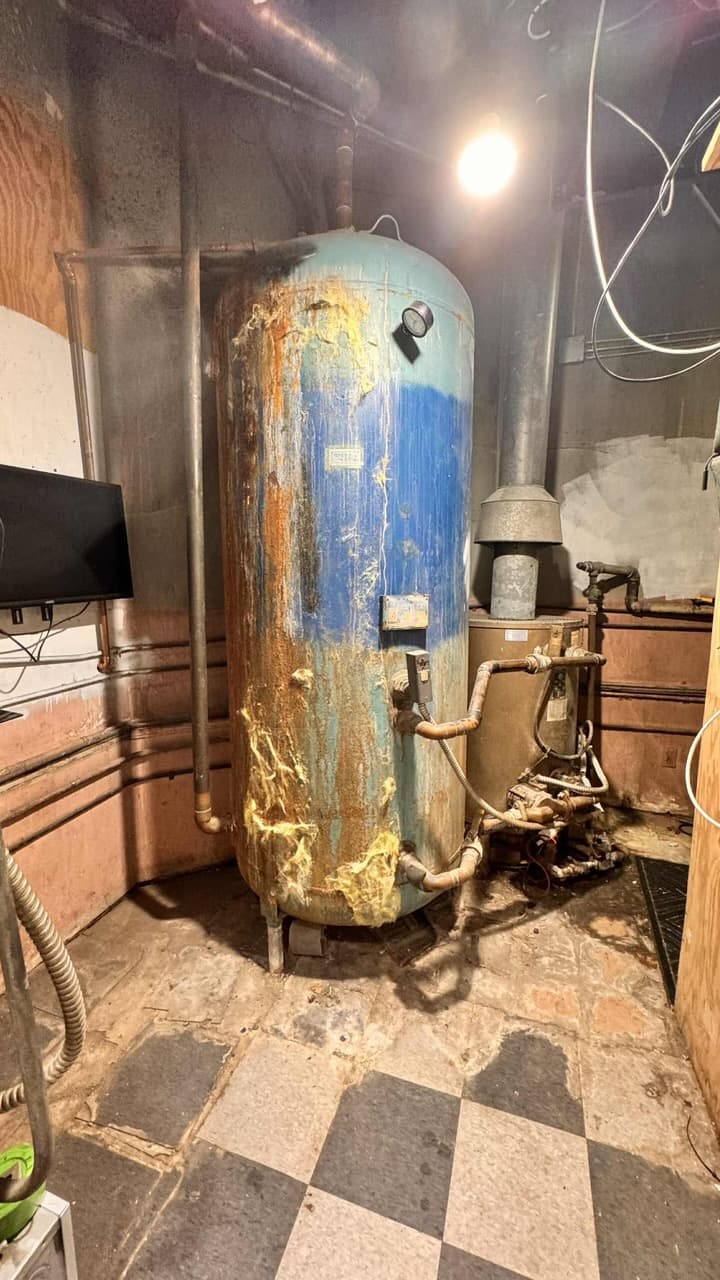
How boiler & hydronic service work plays out in Culver City
Culver City's heating season is short and its boilers are often forgotten. Older studio buildings carry hydronic loops and reheat coils that date from earlier eras of the lots, medical offices and the hospital campus run boilers for reheat and domestic hot water, and some creative-office conversions in the Hayden Tract inherited boilers that served an industrial process long gone. The marine layer makes mornings cool even in summer, so reheat coils in multi-zone systems work year-round at low load, and leaking reheat valves quietly fight the chillers.
A typical boiler call here is a cold-morning failure in a system that ran fine in March and sat until November: a seized circulator, a stuck mixing valve, an igniter that failed on the first call for heat, or a low-water cutoff that tripped on a slow leak nobody noticed. We treat the fall startup as the main event, with combustion analysis, safety device testing, loop exercise and water chemistry, and we document everything for the facility file. During cooling season we check reheat valves for leak-through, which in a Culver City office often explains simultaneous heating and cooling complaints.
Replacement decisions in this city usually favor smaller, modulating condensing boilers because the original equipment was sized for a building that no longer exists in that form. We model the actual load, confirm the venting path through converted roofs, review the gas supply and plan a changeover that keeps hot water and reheat available. Public and institutional work is prevailing-wage ready. See the water heaters and boilers guide for the comparison.
Culver City's climate and what it does to this equipment
Culver City sits a few miles inland from the coast on the Westside, so the marine layer regularly cools mornings and evenings, and the city sees fewer extreme heat days than the valleys. Afternoons in summer are warm, with a heat wave now and then, and humidity is moderate. That mildness means free cooling is available much of the year, which makes economizer function valuable. Salt is a lesser concern than at the beach, but sea breeze, traffic and nearby freeway particulate still load coils. Equipment runs a long cooling season with moderate peak stress.
For the equipment background behind this page, read our water heaters and boilers guide or the full Boilers & Hydronic Heating service page.
- Studio campuses (Sony Pictures Studios and the Culver Studios area)Soundstages, edit suites, chilled-water systems and noise-sensitive spaces with strict uptime and acoustic requirements.
- Downtown Culver City (Culver and Washington Boulevards)Restaurants, food halls and boutique retail in older low-rise buildings with tight kitchens and shared roofs.
- Hayden Tract and the Helms Bakery DistrictConverted warehouse and creative-office buildings with exposed systems, unusual roof structures and mixed-generation equipment.
- Sepulveda, Venice and Fox Hills medical and office corridorsMedical offices and mid-rise professional buildings with zoned comfort and after-hours service needs.
- Combustion analysis and tuning with logged results
- Low-water cutoff, relief valve, and flame-safeguard testing
- Condensing and non-condensing boiler service
- Hydronic loop, pump, valve, and expansion-tank diagnostics
What a boiler & hydronic service visit includes, and the problems we most often find
- Review boiler type, age, fuel, and the loads it serves
- Inspect burners, heat exchanger surfaces, venting, and combustion air
- Run combustion analysis and adjust to manufacturer specifications
- Test safeties and controls; check loop pressure, flow, and water quality
- Document results and recommend repairs or replacement timing
- Poor combustion tuning wasting fuel and fouling heat exchangers
- Condensing boilers running with return temperatures too high to condense
- Air in the loop or failing pumps causing cold zones
- Untested safeties on older boilers with no maintenance records