Commercial HVAC Repair in Santa Monica, CA
Santa Monica repair work often has a corrosion story hidden inside it. A rooftop unit that trips on high head pressure may have coils choked with salt film, while a contactor that chatters may be pitted from humid air. Davinci Mechanical diagnoses airflow, electrical connections, and refrigerant condition before replacing parts, and records what was found. On Promenade and Main Street properties, work also has to fit around foot traffic, deliveries, and tight rooftop access. Corrosion findings are photographed and logged so owners can see how fast their equipment is aging.
A coastal commercial market of Third Street Promenade retail, Main Street restaurants, creative and tech offices, and hospitals, all exposed to salt air.
How commercial hvac repair work plays out in Santa Monica
A typical Santa Monica repair call starts with a symptom that sounds ordinary and ends with a finding that is not. A hotel on Ocean Avenue reports that two guest-floor units short cycle in the afternoon. Inland, you would suspect a charge problem. Within a few blocks of the pier, the first place to look is the condenser coil, where a salt film has bonded with marine-layer moisture and cut heat rejection enough to trip high-pressure safeties on days that are not even hot. Washing the coil, checking the coating, and verifying head pressure against ambient tells you whether the compressor was ever the problem.
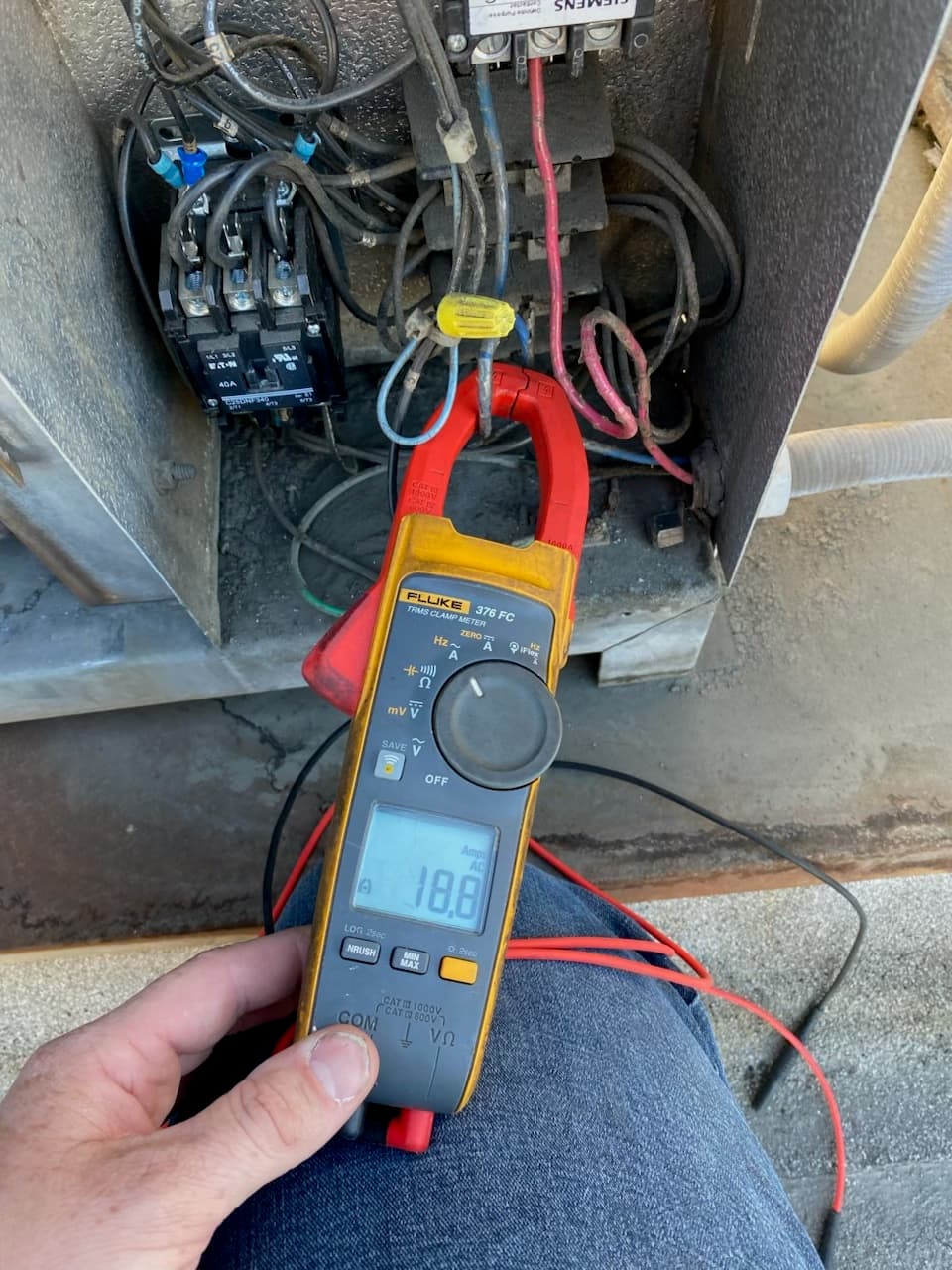
The same pattern repeats in different forms across the city. Ground-floor retail on Wilshire Boulevard and Montana Avenue has condensing units tucked into alley niches where airflow is poor and salt settles on fins. Medical office buildings near the hospital corridors on Wilshire and 16th Street run equipment hard for long clinic hours, and their failures tend to show up as pitted contactors, failed capacitors, and corroded low-voltage splices that produce intermittent faults nobody can reproduce on a short visit. We check electrical connections and refrigerant condition before anyone touches a parts list, and photograph what we find.
Logistics in Santa Monica also shape repairs. Downtown roofs are often reached through a tenant's space or a shared hatch, so the property manager, the tenant, and the technician have to agree on timing. Street parking for a service van near the Promenade is limited, and loading zones have time limits. A good outcome is a unit that holds steady through the next marine-layer week, with the corrosion findings written into the DaVinci Portal so the owner can see whether the equipment is on a repair path or a replacement path. See commercial repair for how we approach diagnostics generally.
Santa Monica's climate and what it does to this equipment
Santa Monica is directly on the Pacific, so salt air is the defining condition. Marine layer keeps summers mild and mornings gray, but the constant moist, salty air corrodes condenser coils, fasteners, electrical enclosures, and exposed copper far faster than inland conditions. Heat waves are less severe than in the valleys, although occasional offshore wind events can briefly drive temperatures up. Because equipment runs fewer extreme hours but suffers from corrosion, coil protection, frequent inspection, and careful hardware choices matter more than raw capacity.
For the equipment background behind this page, read our root-cause diagnostics guide or the full Commercial Troubleshooting & Repair service page.
- Downtown and Third Street PromenadeDense retail, restaurants, hotels, and offices with shared rooftops, limited access, and heavy foot traffic.
- Main Street and the shorelineRestaurants, cafes, and small hotels near the beach, where salt air accelerates corrosion on exposed equipment.
- Bergamot, Olympic Boulevard, and creative or tech officesConverted industrial buildings and newer mid-rise offices with modern comfort expectations and often VRF or advanced rooftop systems.
- Hospital and medical corridorsHospital campuses and medical office buildings where filtration, redundancy, and coordination with in-house engineers are central.
- Root-cause diagnostics, not guesswork
- Truck-stocked parts for common same-day fixes
- Clear repair options before any work is authorized
- DaVinci Portal included: QR service history, notes, photos
What a commercial hvac repair visit includes, and the problems we most often find
- Call in the issue — what the equipment is doing, and what it's affecting
- Tech arrives with truck-stocked parts for the most common failures on that equipment type
- Root-cause diagnostic with readings taken and logged, not just symptom patching
- Repair options presented with pricing before anything is authorized
- Approved work completed same-visit where parts allow; readings logged to the Portal
- Electrical failures — contactors, capacitors, and control boards
- Refrigerant leaks and low-charge symptoms
- Failed motors, bearings, and belts on fans and blowers
- Clogged condensate drains causing water damage or shutdowns
Commercial HVAC Repair in Santa Monica: questions we get
Our rooftop units downtown keep tripping on hot afternoons, but a tech said the refrigerant charge was fine. What else could it be?
Near the beach, the usual cause is a condenser coil coated with salt film that normal rinsing does not remove. Reduced heat rejection drives head pressure up until a safety opens, even at moderate temperatures. We measure head pressure against outdoor ambient, inspect the coil under good light, and check fan motor amperage. If the coil is the problem, a proper cleaning and a coating assessment usually resolve it; if the coil is badly pitted, we show you the photos and discuss options rather than cleaning the same unit every month.
A unit on a Main Street restaurant keeps failing electrically every few months. Is that normal for Santa Monica?
Repeat electrical failures are common in salt air but not acceptable. Moist, salty air pits contactor faces, corrodes crimp terminals, and creeps into disconnects that were never sealed well. Replacing the contactor without addressing the enclosure gasket, the conduit entries, or the terminal corrosion just resets the clock. We open the entire control section, test connections under load, and treat the enclosure as part of the repair. That tends to end the cycle rather than extend it.
How fast can you get a tech on site?
Most diagnostics are same-day across our Orange County coverage area. Priority accounts and maintenance-plan members get first availability.
Do you charge a diagnostic fee?
Yes, a flat diagnostic fee that's disclosed up front and applied toward the repair if you approve it the same visit.