Boiler & Hydronic Service in Ontario, CA
Hydronic heating in Ontario is mostly found in hotels, healthcare, and some office buildings, where boilers serve domestic hot water, reheat coils, and winter heating. Because they run lightly, problems often go unnoticed until a cold morning or a high-occupancy weekend. We inspect combustion, safeties, pumps, and valves, and verify reheat operation, particularly for hotels where a guest comfort complaint can trace back to a plant problem.
Built around Ontario International Airport, enormous distribution and cold-storage buildings, Ontario Mills, and the Convention Center district, with Santa Ana wind and extreme heat exposure.
How boiler & hydronic service work plays out in Ontario
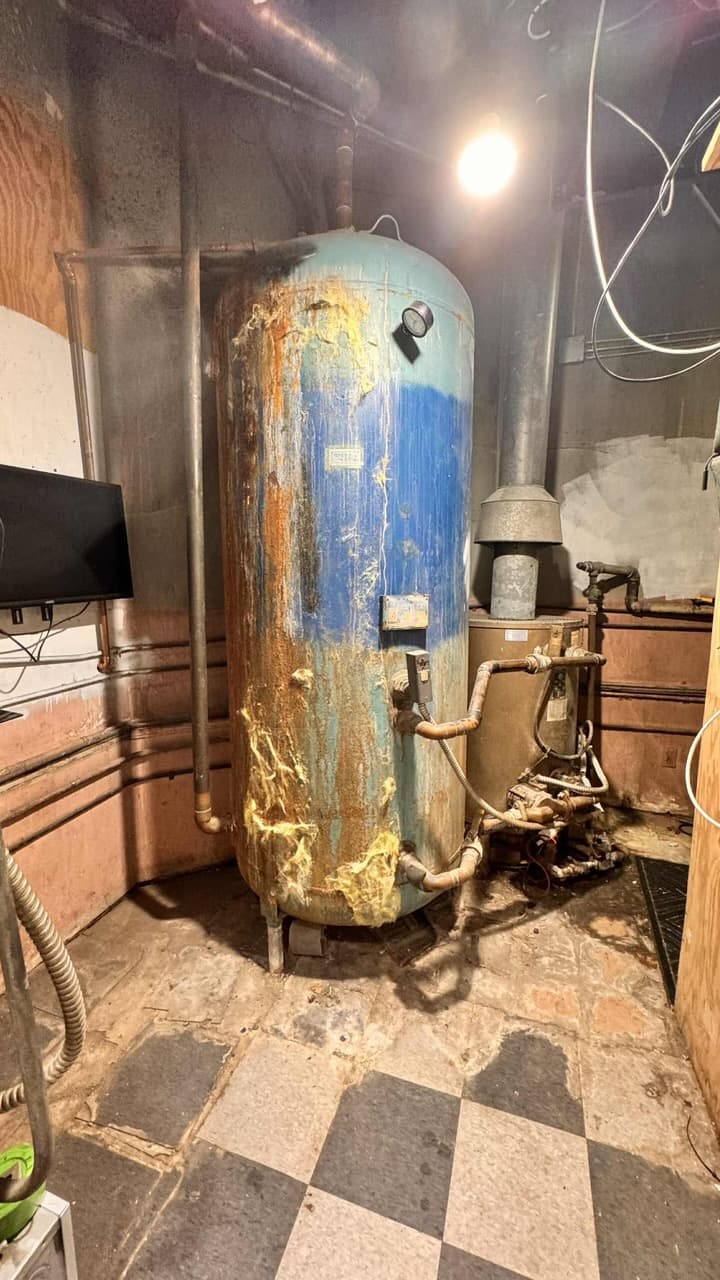
Heating is a short season in Ontario, but hotels do not get to skip it. Guest rooms on a January night with a Santa Ana blowing need heat, banquet halls need reheat for humidity control year round, and the laundry and kitchen need hot water regardless of the weather. Hotel boiler plants here often serve all three, which means the boiler that no one thought about in August is suddenly carrying guest comfort, food service, and laundry on the same cold morning. Healthcare facilities and some of the larger office buildings have hydronic heating or reheat coils with a similar profile: light use most of the year, then a sudden demand that exposes anything marginal.
The problems we find are the ones that build quietly. Boilers that cycle lightly all summer on domestic hot water develop combustion drift that nobody notices until the burner is asked to run hard. Circulating pumps with worn seals leak slowly in a mechanical room nobody visits. Low water cutoffs and relief valves that were never exercised stick. Reheat valves in hotel air handlers fail partially open or closed, so one ballroom is stuffy and another is cold during a convention, and the complaint reaches the front desk before the plant.
A pre-season visit in October covers combustion analysis, burner and ignition inspection, safety and relief testing, pump and expansion tank condition, and a walk of the reheat and distribution side with the controls. For hotels, we review how domestic hot water, space heating, and reheat share the plant so a cold weekend with full occupancy does not starve one of them. Combustion readings and test results go into the DaVinci Portal as a record for insurers and inspectors. The water heaters and boilers guide covers staging and replacement planning.
Ontario's climate and what it does to this equipment
Ontario is flat, hot, and open, so Santa Ana winds arrive with little to slow them. Dry gusts carry dust from nearby industrial sites and open ground onto huge rooftops, where condenser coils collect it quickly. Summer highs are routinely well above 100 degrees on the hottest days, and large dark roofs raise local rooftop air temperatures further. Regional smog and wildfire smoke affect filtration, and sharp swings between day and night temperatures stress controls and refrigeration defrost cycles. For cold storage, this means condensers are working against the worst ambient conditions of the year, usually with the heaviest product loads.
For the equipment background behind this page, read our water heaters and boilers guide or the full Boilers & Hydronic Heating service page.
- Airport and logistics corridorsDistribution and cargo buildings near Ontario International Airport, including cold storage and large rooftop equipment arrays.
- Ontario Mills and Ontario GatewayLarge-format retail, entertainment, and hospitality properties with extended operating hours and heavy rooftop equipment loads.
- Convention Center and arena districtEvent venues, hotels, and surrounding offices where ventilation and cooling demand surges during conventions and games.
- Guasti, Inland Empire Boulevard, and Ontario RanchMixed office, restaurant, and newer warehouse and commercial development south and east of the core.
- Combustion analysis and tuning with logged results
- Low-water cutoff, relief valve, and flame-safeguard testing
- Condensing and non-condensing boiler service
- Hydronic loop, pump, valve, and expansion-tank diagnostics
What a boiler & hydronic service visit includes, and the problems we most often find
- Review boiler type, age, fuel, and the loads it serves
- Inspect burners, heat exchanger surfaces, venting, and combustion air
- Run combustion analysis and adjust to manufacturer specifications
- Test safeties and controls; check loop pressure, flow, and water quality
- Document results and recommend repairs or replacement timing
- Poor combustion tuning wasting fuel and fouling heat exchangers
- Condensing boilers running with return temperatures too high to condense
- Air in the loop or failing pumps causing cold zones
- Untested safeties on older boilers with no maintenance records
Boiler & Hydronic Service in Ontario: questions we get
Our hotel boiler runs all year for hot water. Does it still need a separate heating-season check?
Some of our ballrooms are stuffy and others cold during events. Is that a boiler problem?
Do commercial boilers need annual service?
Can you replace a boiler without a long shutdown?
Do you work on steam systems?
Other services in Ontario
Boiler & Hydronic Service nearby in Inland Empire (Riverside & San Bernardino Counties)
Commercial HVAC and refrigeration across Inland Empire (Riverside & San Bernardino Counties)