Boiler & Hydronic Service in Corona, CA
Boilers are less common than cooling equipment in Corona, but where hydronic heating exists, it often serves process areas, older office spaces, or wash-down environments. Because the heating season is short, boilers tend to be neglected and then fail when called on. We inspect burner assemblies, controls, and safeties ahead of the cold months, verify water treatment and circulation, and address combustion and venting concerns before the first cold snap.
A manufacturing and industrial-park city along the 91 and 15 with retail centers, Temescal Canyon heat, and plenty of mid-size rooftop and process cooling loads.
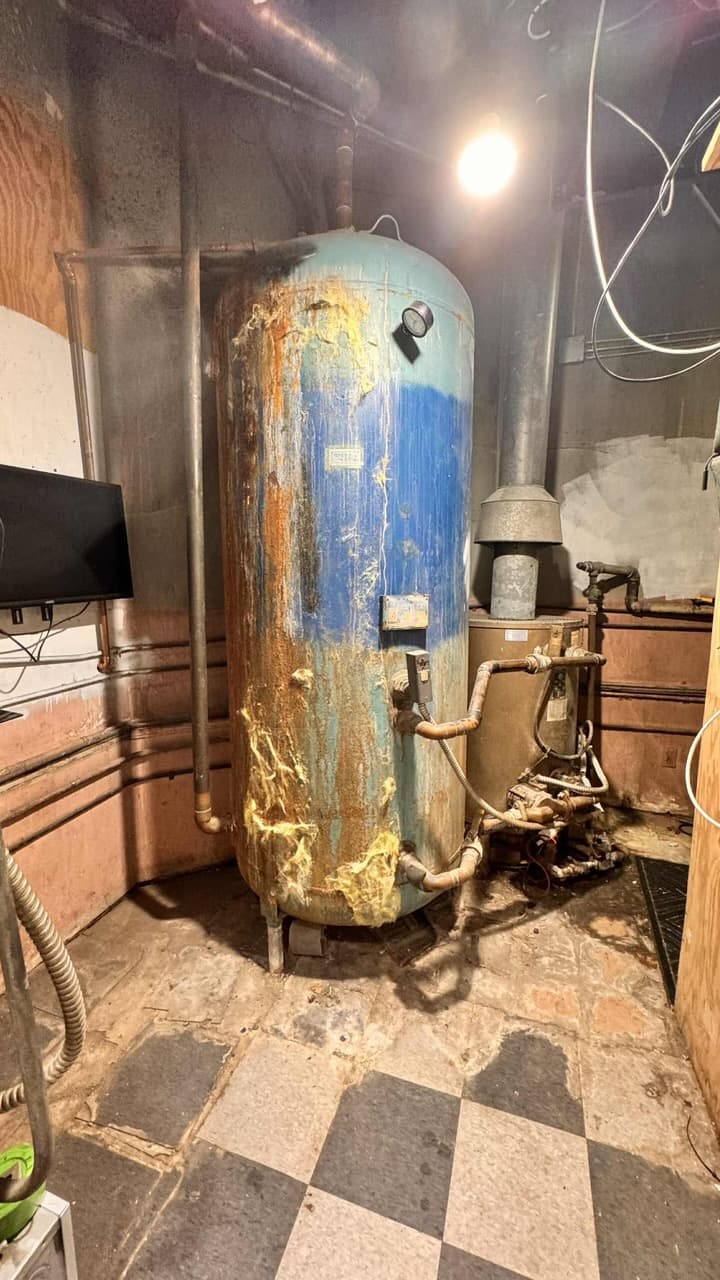
How boiler & hydronic service work plays out in Corona
Boilers in Corona are working equipment more than heating equipment. Food and beverage plants use them for process heat and sanitation hot water, wash-down operations need high volume at temperature, and some manufacturing processes depend on a hot water or steam loop that runs all year regardless of the weather. Building heating is the secondary role, limited to the cold mornings of December through February when an office or a medical building asks for heat and discovers that nobody has looked at the boiler since the previous winter.
The process boiler failure is the expensive one. A plant whose sanitation cycle depends on hot water at a set temperature cannot run until the boiler is back, so our approach for those customers is inspection on a schedule that does not wait for a season, with combustion testing, safety and low water cutoff checks, water treatment review, and attention to the circulating pumps, valves, and heat exchangers that the boiler feeds. For comfort boilers in offices, medical suites, and public buildings, a fall inspection catches the stuck gas valve, the failed ignition control, and the seized pump before the first cold morning. Hard make-up water scales boiler passages here if a loop leak has been feeding fresh water in unnoticed, so we check for that specifically.
Where a single boiler carries a production process, we talk with the plant about contingency: what the facility does if the boiler is down for two days, whether a rental connection point exists, and whether the replacement should be planned now rather than forced later. Replacement work in older Main Street and Sixth Street buildings runs into flue routing and combustion air constraints that newer industrial buildings do not have. All findings go into the DaVinci Portal, and the boilers and hydronic heating page covers the service scope in detail.
Corona's climate and what it does to this equipment
Corona is a heat pocket at the mouth of Temescal Canyon. Daytime temperatures can reach well past 100 degrees for long stretches, and when onshore flow weakens the 91 corridor traps both heat and smog. Santa Ana winds from the northeast drive dust and debris across industrial rooftops and into condenser coils, and wildfire smoke from the surrounding hills and nearby counties can load filters rapidly. The result is equipment that runs at high head pressure much of the summer, with coil fouling and belt or bearing wear that arrives earlier than the manufacturer's schedule suggests.
For the equipment background behind this page, read our water heaters and boilers guide or the full Boilers & Hydronic Heating service page.
- Sampson and Rimpau industrial parksManufacturing and warehouse buildings with a mix of rooftop packaged units, process cooling, and office suites sharing one mechanical footprint.
- Temescal Canyon corridorBusiness parks and industrial space along the canyon, fully exposed to heat, wind, and dust funneling toward the 15 interchange.
- Corona Mall and Auto Center areaRetail, restaurants, and big-box tenants along the 91 frontage, where rooftop equipment is dense and operating hours are long.
- Main Street and downtown CoronaThe Circle, civic buildings, older commercial storefronts, and small restaurants with aging split systems and compact rooftop units.
- Combustion analysis and tuning with logged results
- Low-water cutoff, relief valve, and flame-safeguard testing
- Condensing and non-condensing boiler service
- Hydronic loop, pump, valve, and expansion-tank diagnostics
What a boiler & hydronic service visit includes, and the problems we most often find
- Review boiler type, age, fuel, and the loads it serves
- Inspect burners, heat exchanger surfaces, venting, and combustion air
- Run combustion analysis and adjust to manufacturer specifications
- Test safeties and controls; check loop pressure, flow, and water quality
- Document results and recommend repairs or replacement timing
- Poor combustion tuning wasting fuel and fouling heat exchangers
- Condensing boilers running with return temperatures too high to condense
- Air in the loop or failing pumps causing cold zones
- Untested safeties on older boilers with no maintenance records
Boiler & Hydronic Service in Corona: questions we get
Our Corona food plant has one boiler for sanitation and no backup. What should we be doing?
Our Corona office boiler only runs a couple of months a year. Is a fall inspection really necessary?
Do commercial boilers need annual service?
Can you replace a boiler without a long shutdown?
Do you work on steam systems?
Other services in Corona
Boiler & Hydronic Service nearby in Inland Empire (Riverside & San Bernardino Counties)
Commercial HVAC and refrigeration across Inland Empire (Riverside & San Bernardino Counties)