Boiler & Hydronic Service in Riverside, CA
Heating season is short in Riverside, which creates its own problem: boilers sit idle for most of the year and fail on the first cold morning. Hospitals, older downtown buildings, and some university spaces still rely on hydronic heat or reheat coils. We inspect burners, controls, safeties, and pump condition before the season, verify combustion, and troubleshoot reheat loops that feel cold in some zones and overheated in others.
A government, university, and healthcare center with historic downtown buildings, Magnolia Avenue retail, and a hot, dry summer that keeps rooftop equipment near its limits for months.
How boiler & hydronic service work plays out in Riverside
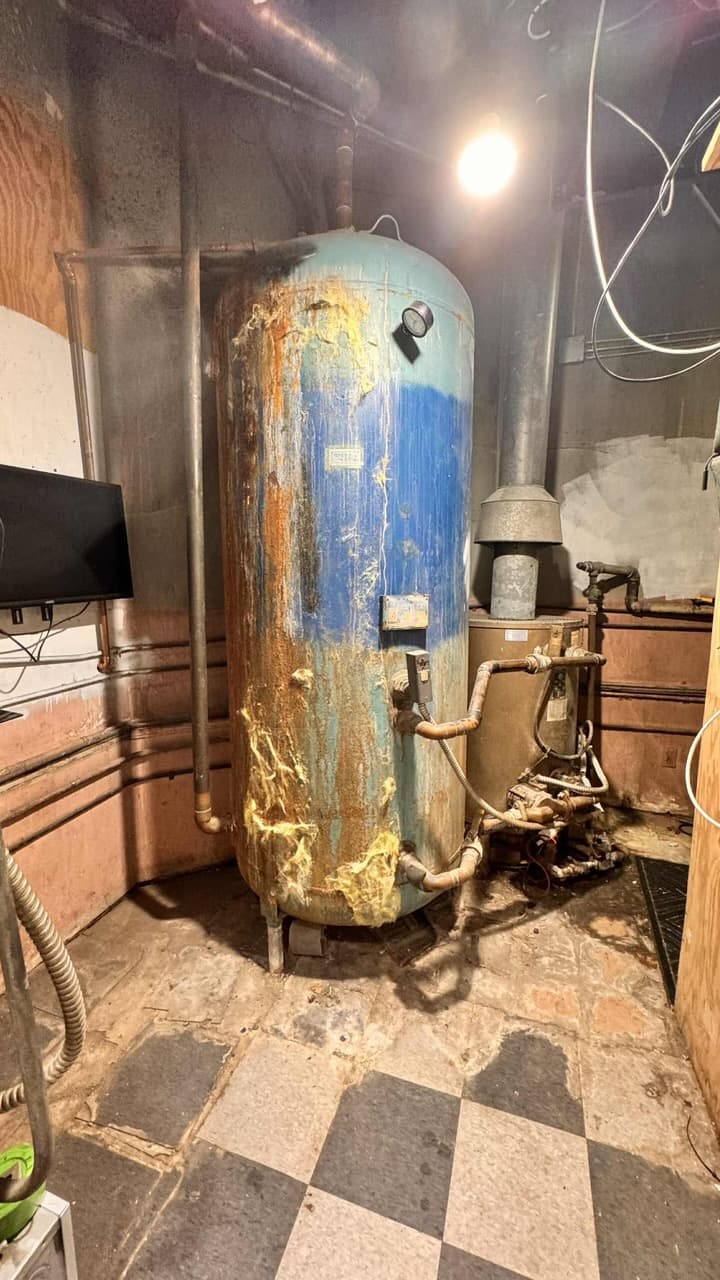
Riverside's heating season is brief, but the cold mornings are real. Inland winter nights fall into the 30s and 40s, and a hospital, a courthouse, or a university lecture hall that depends on a hydronic loop or hot water reheat coils feels it immediately when the boiler that sat idle since March refuses to light in November. The boilers that serve these buildings are frequently older cast iron or fire tube units in downtown and institutional basements, with controls that have been patched across several decades and pumps that nobody has looked at since the last cold snap.
Our pre-season approach is to treat the boiler as the start of a system, not the whole system. Burner and combustion are checked, the safeties and low water cutoffs are tested, and then we move to what the boiler feeds: circulating pumps, expansion tanks, air separators, zone valves, and the reheat coils and radiators at the end of the loop. A reheat coil in a Riverside medical building that stays cold while the boiler runs hot is usually a flow or control problem downstream, not a boiler problem. Water treatment in hydronic loops here deserves attention too, because the same hard water that scales tanks scales boiler passages if make-up water has been running unnoticed through a slow leak.
Many of the buildings that still rely on hydronic heat in Riverside are public, which brings prevailing wage and documentation into the picture, and some are historic, which constrains flue and venting changes. We document combustion results, pressure and temperature readings across the loop, and the condition of each component in the DaVinci Portal, and where a boiler is near the end of its life we say so in the fall so the replacement can be planned instead of forced. The public agency and school procurement guide describes how that fits an agency budget cycle.
Riverside's climate and what it does to this equipment
Riverside sits in a basin that traps heat. Summer afternoons routinely climb well past the point where a rooftop condenser is working near its design limit, and nights often fail to cool the building structure enough to give equipment a rest. Smog and fine particulate settle on coils faster than in coastal Orange County, citrus-area dust and pollen add to the load, and wildfire smoke events in the surrounding hills can clog filters in days. Santa Ana conditions in fall bring dry heat and debris. Equipment here needs coil cleaning cadence and refrigerant charge checks built around peak season, not the calendar average.
For the equipment background behind this page, read our water heaters and boilers guide or the full Boilers & Hydronic Heating service page.
- Downtown and Mission Inn areaGovernment buildings, courts, restaurants, and older multi-story commercial properties where mixed equipment generations share one roof or mechanical room.
- UCR and University Avenue corridorCampus-adjacent dining, student-oriented retail, and research and instructional buildings with strict space-temperature expectations.
- Magnolia Avenue medical and retail corridorMedical office buildings, outpatient clinics, and strip retail running along one of the city's busiest commercial arteries.
- Hunter Park and Airport Industrial areasLight industrial, distribution, and manufacturing buildings near the 91 and 60 interchange and the municipal airport, many with rooftop packaged units and walk-in refrigeration.
- Combustion analysis and tuning with logged results
- Low-water cutoff, relief valve, and flame-safeguard testing
- Condensing and non-condensing boiler service
- Hydronic loop, pump, valve, and expansion-tank diagnostics
What a boiler & hydronic service visit includes, and the problems we most often find
- Review boiler type, age, fuel, and the loads it serves
- Inspect burners, heat exchanger surfaces, venting, and combustion air
- Run combustion analysis and adjust to manufacturer specifications
- Test safeties and controls; check loop pressure, flow, and water quality
- Document results and recommend repairs or replacement timing
- Poor combustion tuning wasting fuel and fouling heat exchangers
- Condensing boilers running with return temperatures too high to condense
- Air in the loop or failing pumps causing cold zones
- Untested safeties on older boilers with no maintenance records
Boiler & Hydronic Service in Riverside: questions we get
Our Riverside county building's boiler only runs a few months a year. Does it still need an annual inspection?
Some zones in our older downtown Riverside building never get warm even when the boiler is running. What is usually wrong?
Do commercial boilers need annual service?
Can you replace a boiler without a long shutdown?
Do you work on steam systems?
Other services in Riverside
Boiler & Hydronic Service nearby in Inland Empire (Riverside & San Bernardino Counties)
Commercial HVAC and refrigeration across Inland Empire (Riverside & San Bernardino Counties)