Boiler & Hydronic Service in Rancho Cucamonga, CA
Cooler foothill winters make heating more relevant in Rancho Cucamonga than in much of the Inland Empire. Hydronic systems serving medical buildings, older offices, and some industrial spaces need dependable operation on cold mornings. We inspect burners, safeties, circulating pumps, and expansion systems before the season, verify reheat performance, and document combustion results so any issue is corrected before it affects occupants.
A foothill city mixing Victoria Gardens retail, medical offices, Foothill Boulevard commercial strips, and large industrial parks that sit directly in the path of canyon wind.
How boiler & hydronic service work plays out in Rancho Cucamonga
Rancho Cucamonga has real heating mornings. Sitting at the base of the San Gabriels, the city sees winter lows that put a boiler to work in a way much of the Inland Empire does not, and buildings with hydronic heat or reheat coils feel it when the plant is not ready. Medical office buildings along the Foothill corridor and Haven Avenue are the most common hydronic users, followed by older office buildings and a few industrial facilities that heat production or wash areas.
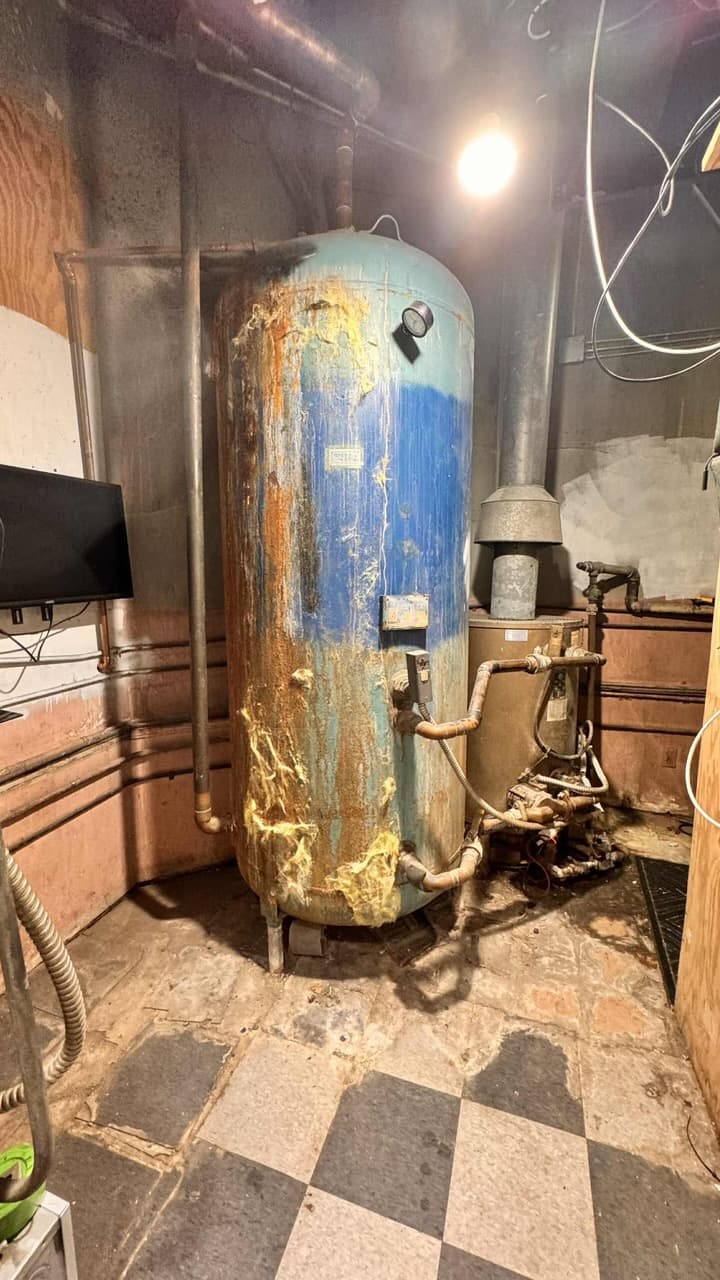
The failure pattern is consistent: the boiler sat through a long cooling season, a low water cutoff or flame safeguard stuck, a circulating pump seized, or the expansion tank waterlogged, and the first cold morning in November becomes a service call with a waiting room full of patients. We run a pre-season visit in October that covers burners, safeties, combustion analysis, pump condition, and the expansion and makeup system, and we document the combustion numbers so the next technician has a reference.
Zone complaints are the other call. Reheat loops that leave one suite cold and another overheated point to balancing valves, failed control valves, or sensors that drifted. We trace the loop, verify the controls sequence, and correct the balance rather than raising the supply temperature and burning more gas. When a boiler is near the end of its life, we say so and plan the replacement for spring or summer, when the plant can be down without consequence.
Rancho Cucamonga's climate and what it does to this equipment
The city's position at the base of the San Gabriel Mountains defines its climate. Canyon winds through Cucamonga and Day Creek can arrive suddenly and hard, throwing dust, leaves, and debris across rooftops and into condenser coils. Summers are hot and dry, with the foothills adding to afternoon temperatures, and fall brings Santa Ana conditions and heightened fire risk in the surrounding hills. Wildfire smoke can load filters quickly. Winter nights are noticeably cooler than elsewhere in the Inland Empire, so equipment sees a wide range and economizers and heating components actually get used.
For the equipment background behind this page, read our water heaters and boilers guide or the full Boilers & Hydronic Heating service page.
- Victoria Gardens and Day Creek areaOutdoor retail, dining, and entertainment with long operating hours and many tenant-controlled rooftop and split systems.
- Foothill Boulevard corridorRestaurants, medical offices, and older commercial strips along the historic route, many with mixed equipment generations.
- Industrial parks near Arrow Route and Haven AvenueManufacturing, food-related production, and distribution buildings with large rooftop packaged-unit arrays and refrigerated spaces.
- Epicenter and Etiwanda mixed-use areasEvent-oriented dining, newer offices, and developing commercial pads toward the city's northern and eastern edge.
- Combustion analysis and tuning with logged results
- Low-water cutoff, relief valve, and flame-safeguard testing
- Condensing and non-condensing boiler service
- Hydronic loop, pump, valve, and expansion-tank diagnostics
What a boiler & hydronic service visit includes, and the problems we most often find
- Review boiler type, age, fuel, and the loads it serves
- Inspect burners, heat exchanger surfaces, venting, and combustion air
- Run combustion analysis and adjust to manufacturer specifications
- Test safeties and controls; check loop pressure, flow, and water quality
- Document results and recommend repairs or replacement timing
- Poor combustion tuning wasting fuel and fouling heat exchangers
- Condensing boilers running with return temperatures too high to condense
- Air in the loop or failing pumps causing cold zones
- Untested safeties on older boilers with no maintenance records