Boiler & Hydronic Service in San Bernardino, CA
Cold winter mornings at the foot of the mountains make boilers matter in San Bernardino, particularly in hospitals, older office buildings, and government facilities with hydronic or reheat systems. We inspect burners, safeties, circulation, and controls before heating season and verify combustion and venting. Where systems are aging, we document remaining life and recommend staged upgrades before a failure forces an emergency.
The county seat, with downtown government buildings, hospitals, rail-served logistics, and aging mixed-use property stock that works hard through hot, smoggy summers.
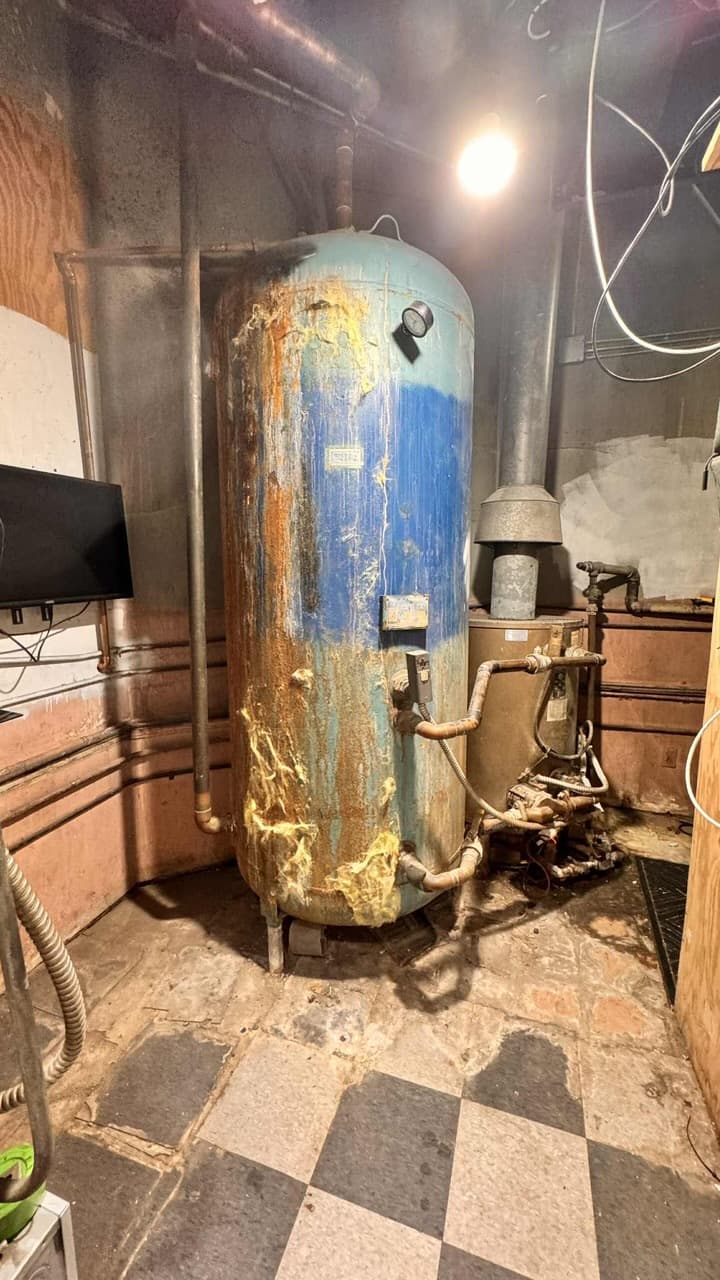
How boiler & hydronic service work plays out in San Bernardino
The first cold morning in San Bernardino usually arrives in November, and it is a different kind of cold than Orange County sees. Overnight lows at the foot of the mountains can sit in the 30s, and buildings that spent six months in cooling mode suddenly need hydronic heat or reheat that has not run since March. That is when the calls come: a county office building where the boiler fires but half the floors stay cold because a circulating pump seized over the summer; a hospital support building where reheat valves stuck closed; a school district building whose boiler trips on a safety that nobody has tested in years.
We would rather see these systems in October. A pre-season visit on a hydronic plant covers the burner and combustion analysis, low-water cutoff and safety testing, expansion tank and relief valve condition, pump operation, and a walk of the distribution to find air-bound or isolated zones before occupants do. On older downtown and institutional buildings, the distribution piping is often the real weak point, with decades of patches, and we document what we find so the owner can plan rather than react.
Hospitals and hotels run their boilers year-round for domestic hot water and reheat, so the issue there is less seasonal surprise than steady wear and water treatment. We check treatment results, inspect for scale, and verify that controls stage multiple boilers correctly instead of running one unit at full fire while the others sit idle. For facilities that depend on a single boiler, we raise contingency planning before a failure forces a decision.
San Bernardino's climate and what it does to this equipment
San Bernardino sits at the foot of the mountains in a pocket where hot, polluted air often collects. Summer highs are among the highest in the region, and smog and fine particulate coat coils and clog filters faster than in coastal areas. Santa Ana winds in fall and winter bring heat, dust, and elevated fire danger, and wildfire smoke from nearby mountains is a recurring factor, sometimes closing windows of acceptable outdoor air for economizer use. Cold winter nights give heating real work to do. Equipment here is hit by every factor at once: high ambient, dirty air, and wide seasonal range.
For the equipment background behind this page, read our water heaters and boilers guide or the full Boilers & Hydronic Heating service page.
- Downtown and government centerCounty and city offices, courts, and older commercial buildings with mixed equipment generations and strict reliability expectations.
- Hospitality Lane and Tri-City corporate areaHotels, offices, restaurants, and corporate buildings with large chilled and packaged systems and long cooling hours.
- Inland Center and Tippecanoe corridorMall-area retail, big-box tenants, and surrounding service businesses with dense rooftop equipment.
- Rail and airport logistics areaWarehouses, distribution buildings, and industrial space near the rail yards and San Bernardino International Airport.
- Combustion analysis and tuning with logged results
- Low-water cutoff, relief valve, and flame-safeguard testing
- Condensing and non-condensing boiler service
- Hydronic loop, pump, valve, and expansion-tank diagnostics
What a boiler & hydronic service visit includes, and the problems we most often find
- Review boiler type, age, fuel, and the loads it serves
- Inspect burners, heat exchanger surfaces, venting, and combustion air
- Run combustion analysis and adjust to manufacturer specifications
- Test safeties and controls; check loop pressure, flow, and water quality
- Document results and recommend repairs or replacement timing
- Poor combustion tuning wasting fuel and fouling heat exchangers
- Condensing boilers running with return temperatures too high to condense
- Air in the loop or failing pumps causing cold zones
- Untested safeties on older boilers with no maintenance records
Boiler & Hydronic Service in San Bernardino: questions we get
Does a San Bernardino building really need a boiler inspection when heating season is so short?
Our older county building has hydronic heat with some zones that never warm up. Is that a boiler problem?
Do commercial boilers need annual service?
Can you replace a boiler without a long shutdown?
Do you work on steam systems?
Other services in San Bernardino
Boiler & Hydronic Service nearby in Inland Empire (Riverside & San Bernardino Counties)
Commercial HVAC and refrigeration across Inland Empire (Riverside & San Bernardino Counties)