Kitchen Ventilation & Make-Up Air in Ontario, CA
Food courts at Ontario Mills, hotel restaurants, and event kitchens operate large exhaust systems that must be matched with correct make-up air. When they are not, doors become difficult to open, pilot lights flicker, and dining areas lose comfort. We measure airflow, adjust make-up units, check tempering stages, and rebalance so the kitchen and the dining spaces are both stable. Our scope is the fans and air balance, not hood or duct cleaning.
Built around Ontario International Airport, enormous distribution and cold-storage buildings, Ontario Mills, and the Convention Center district, with Santa Ana wind and extreme heat exposure.
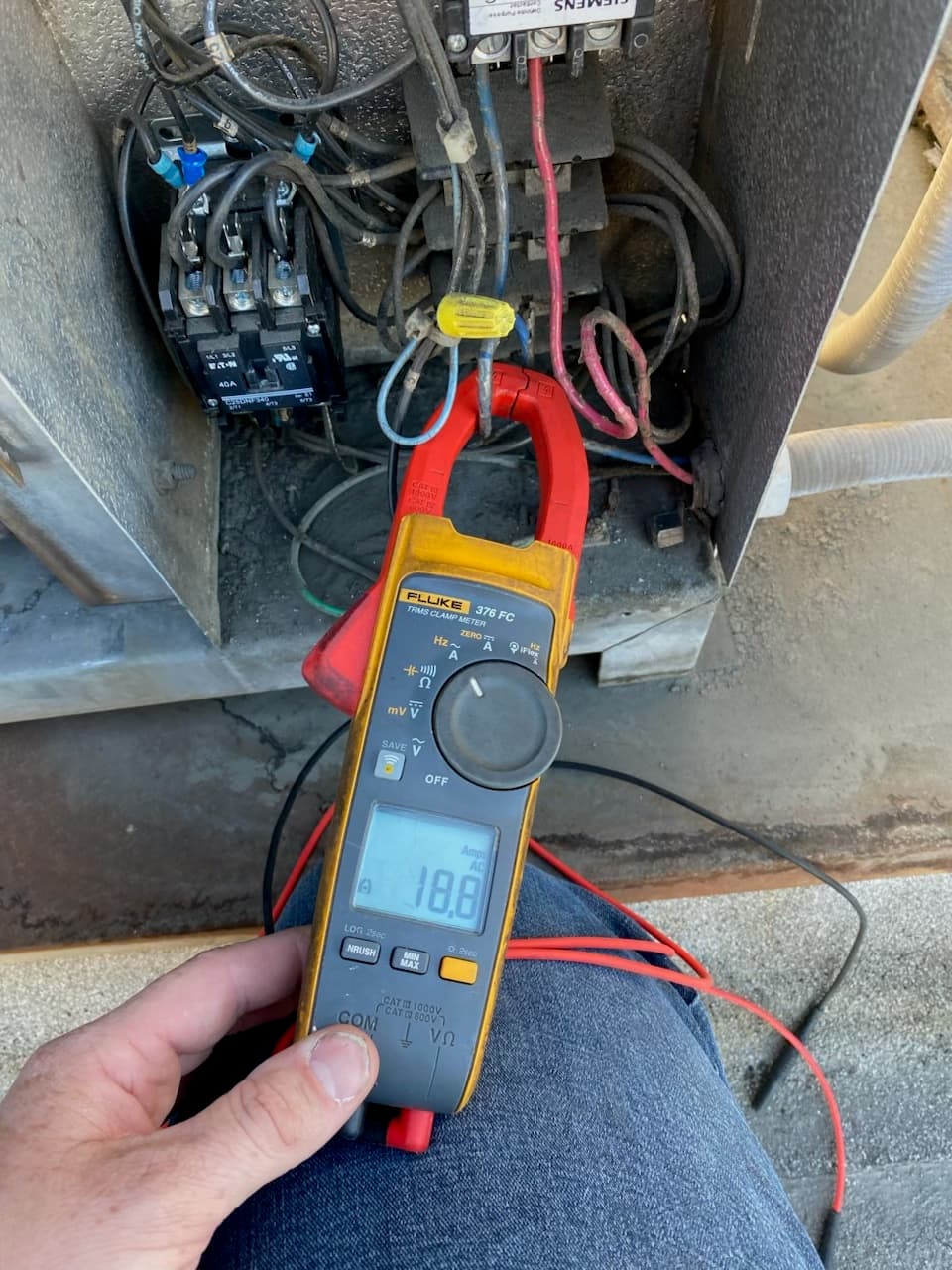
How kitchen ventilation & make-up air work plays out in Ontario
The Ontario Mills food court is a useful picture of what goes wrong with kitchen ventilation at scale. A dozen or more tenants share a common dining area, each with its own hood and exhaust fan, and each with a make-up air arrangement that may or may not match what the hood actually moves. When several tenants are cooking hard at once, the combined exhaust can pull the whole food court negative, doors to the mall concourse fight back, and the dining area HVAC runs flat out against air it never planned to condition. One tenant's imbalance becomes everyone's comfort problem.
Hotel and banquet kitchens near the Convention Center have the same physics on a different schedule. A banquet kitchen that is quiet all afternoon runs every hood at once for a plated dinner for a thousand people, and if the make-up air unit's tempering has failed, that kitchen is being fed outside air at 100 degrees while the cooks work. In winter with a Santa Ana blowing, the same failed tempering stage delivers cold, dusty air across the line. Stand-alone restaurants along Fourth Street, Mountain Avenue, and in Ontario Ranch tend toward the classic problem of exhaust that outgrew the make-up supply after a cookline expansion.
We measure exhaust at each hood and make-up air at the unit, check the unit's heating and cooling stages and its interlock with the hoods, and look at how the building HVAC is being asked to compensate. Then we rebalance so the kitchen is slightly negative to the dining space and the hoods capture properly. In shared food courts we coordinate with the landlord because the fix often crosses tenant boundaries. This is fan, airflow, and equipment work; hood and duct cleaning is a separate trade we do not perform. Our kitchen ventilation and make-up air page explains the balancing method, and the restaurants industry page covers how we handle food court and multi-tenant coordination.
Ontario's climate and what it does to this equipment
Ontario is flat, hot, and open, so Santa Ana winds arrive with little to slow them. Dry gusts carry dust from nearby industrial sites and open ground onto huge rooftops, where condenser coils collect it quickly. Summer highs are routinely well above 100 degrees on the hottest days, and large dark roofs raise local rooftop air temperatures further. Regional smog and wildfire smoke affect filtration, and sharp swings between day and night temperatures stress controls and refrigeration defrost cycles. For cold storage, this means condensers are working against the worst ambient conditions of the year, usually with the heaviest product loads.
For the equipment background behind this page, read our kitchen ventilation and make-up air guide or the full Kitchen Ventilation & Make-Up Air service page.
- Airport and logistics corridorsDistribution and cargo buildings near Ontario International Airport, including cold storage and large rooftop equipment arrays.
- Ontario Mills and Ontario GatewayLarge-format retail, entertainment, and hospitality properties with extended operating hours and heavy rooftop equipment loads.
- Convention Center and arena districtEvent venues, hotels, and surrounding offices where ventilation and cooling demand surges during conventions and games.
- Guasti, Inland Empire Boulevard, and Ontario RanchMixed office, restaurant, and newer warehouse and commercial development south and east of the core.
- Make-up air unit service, repair, and replacement
- Exhaust fan belts, motors, and airflow verification
- Kitchen-to-dining pressure balance so doors and hoods behave
- Documented readings, not guesses, on airflow and temperature
What a kitchen ventilation & make-up air visit includes, and the problems we most often find
- Walk the kitchen during or near service to see what the building actually does
- Measure exhaust and make-up airflow, temperatures, and building pressure
- Inspect fans, belts, motors, dampers, burners, and controls
- Repair or adjust, then re-measure to confirm the balance
- Document results and flag items for the hood-cleaning and fire-protection vendors to handle
- Make-up air that is undersized or off, pulling conditioned air from the dining room
- Exhaust fan belts and bearings worn, cutting airflow below what the hood needs
- Kitchens running negative, causing hard-to-open doors, drafts, and burner issues
- Make-up air units with failed burners or controls during cold or hot weather
Kitchen Ventilation & Make-Up Air in Ontario: questions we get
We are one tenant in a shared food court and our doors are hard to open. Can you fix that if the problem is caused by our neighbors?
Our banquet kitchen gets blasted with hot outside air when the hoods run in summer. Is the make-up air unit undersized?
Do you clean hoods and ducts?
Why is my dining room hot when the kitchen is running?
Can you replace a make-up air unit?
Other services in Ontario
Kitchen Ventilation & Make-Up Air nearby in Inland Empire (Riverside & San Bernardino Counties)
Commercial HVAC and refrigeration across Inland Empire (Riverside & San Bernardino Counties)