Boiler & Hydronic Service in Chino, CA
Boilers in Chino supply process heat, sanitation hot water, and building heating in food plants and institutional facilities. Their reliability affects production and compliance. We inspect burners, safeties, water treatment, and circulation, verify combustion, and check steam or hot water distribution components where applicable. For facilities relying on a single boiler, we discuss contingency planning before a failure forces one.
A food processing, manufacturing, and former dairy-region industrial city with an airport-area business cluster, Chino Spectrum retail, and heavy refrigeration demand.
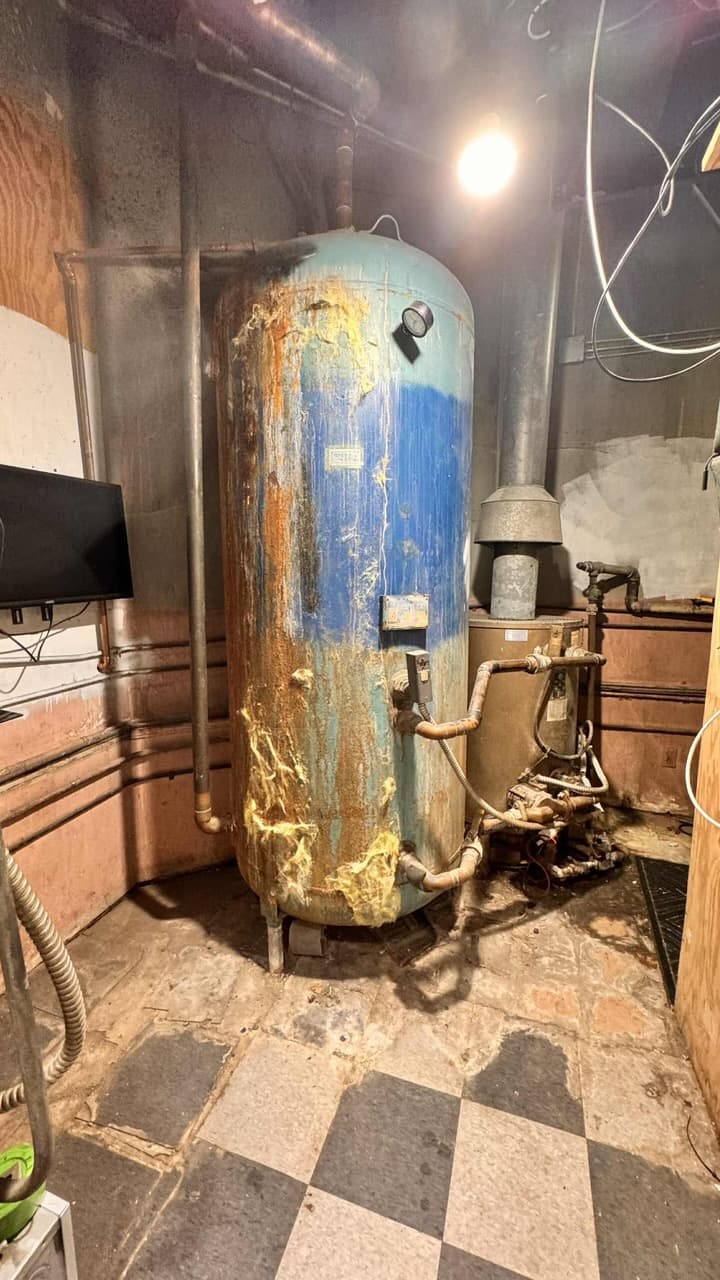
How boiler & hydronic service work plays out in Chino
Boilers in Chino are more about production than about comfort. Food processors use steam and hot water for cooking, cleaning-in-place, pasteurization, and sanitation; manufacturers use process heat; and institutional facilities, including the state correctional facilities within the city, run large hydronic plants for building heating, kitchens, and laundries. When one of these boilers fails, the consequence is a stopped process or an unheated institution, and the repair window is measured in hours.
Our boiler service starts with the questions that matter most in these settings: combustion efficiency and safety, water treatment and scale, low-water cutoff and relief valve function, and whether the controls stage multiple boilers correctly. Hard water and inconsistent treatment are the leading causes of tube scaling and premature failure in this valley, so we review treatment logs and inspect for scale on every visit. For plants that depend on a single boiler, we raise redundancy and contingency planning before a failure makes the decision.
Building heating gets a short but real season here, with cold mornings from December through February that catch idle equipment. A pre-season inspection in October covers burners, safeties, pumps, expansion tanks, and a walk of the distribution to find air-bound or isolated zones. The water heater and boiler guide covers the basics, and for public institutions the courts and public safety sector page addresses the access and documentation that come with that environment.
Chino's climate and what it does to this equipment
Chino's flat terrain and open surroundings make it hot, breezy, and dusty. Summer highs are intense, Santa Ana winds blow through with little obstruction, and remaining agricultural land and busy industrial sites contribute dust to the air. Dairy and agricultural operations also add ammonia and organic particulate that can foul coils and filters faster than in a typical commercial area, and regional smog and wildfire smoke add more. For food processing and cold storage, hot afternoons coincide with peak production, so refrigeration condensers must hold performance exactly when the load is greatest.
For the equipment background behind this page, read our water heaters and boilers guide or the full Boilers & Hydronic Heating service page.
- Former dairy-region industrial areaFood processing, cold storage, manufacturing, and distribution buildings in the south and southeast, with large refrigeration and rooftop loads.
- Chino Spectrum and Ontario borderBig-box retail, restaurants, and entertainment with dense rooftop equipment and extended operating hours.
- Chino Airport and Merrill Avenue areaAviation-related users, light industrial tenants, and business space with wide-open exposure to wind.
- Downtown Chino and Chino Hills borderOlder storefronts, restaurants, medical offices, and community retail along the central corridors and at the city's northern edge.
- Combustion analysis and tuning with logged results
- Low-water cutoff, relief valve, and flame-safeguard testing
- Condensing and non-condensing boiler service
- Hydronic loop, pump, valve, and expansion-tank diagnostics
What a boiler & hydronic service visit includes, and the problems we most often find
- Review boiler type, age, fuel, and the loads it serves
- Inspect burners, heat exchanger surfaces, venting, and combustion air
- Run combustion analysis and adjust to manufacturer specifications
- Test safeties and controls; check loop pressure, flow, and water quality
- Document results and recommend repairs or replacement timing
- Poor combustion tuning wasting fuel and fouling heat exchangers
- Condensing boilers running with return temperatures too high to condense
- Air in the loop or failing pumps causing cold zones
- Untested safeties on older boilers with no maintenance records
Boiler & Hydronic Service in Chino: questions we get
Our Chino food plant runs one process boiler. What happens if it fails during production?
How does hard water affect boilers in Chino, and what should we be doing about it?
Do commercial boilers need annual service?
Can you replace a boiler without a long shutdown?
Do you work on steam systems?
Other services in Chino
Boiler & Hydronic Service nearby in Inland Empire (Riverside & San Bernardino Counties)
Commercial HVAC and refrigeration across Inland Empire (Riverside & San Bernardino Counties)