Boiler & Hydronic Service in Pasadena, CA
Winter nights in Pasadena can be cool enough that heating matters, and older buildings, hotels, and institutional campuses often rely on boilers and hydronic loops. Aging piping, original controls, and mechanical rooms in basements are typical. Service includes combustion checks, pump and valve operation, and control behavior, with attention to systems that sit idle for long stretches and then must perform reliably when a cold snap arrives. Many Pasadena institutions still rely on original piping, so leak history and valve condition are worth reviewing.
Older historic buildings, a restaurant-dense Old Pasadena, and science and institutional campuses near Caltech, sitting at the foot of the San Gabriel Mountains.
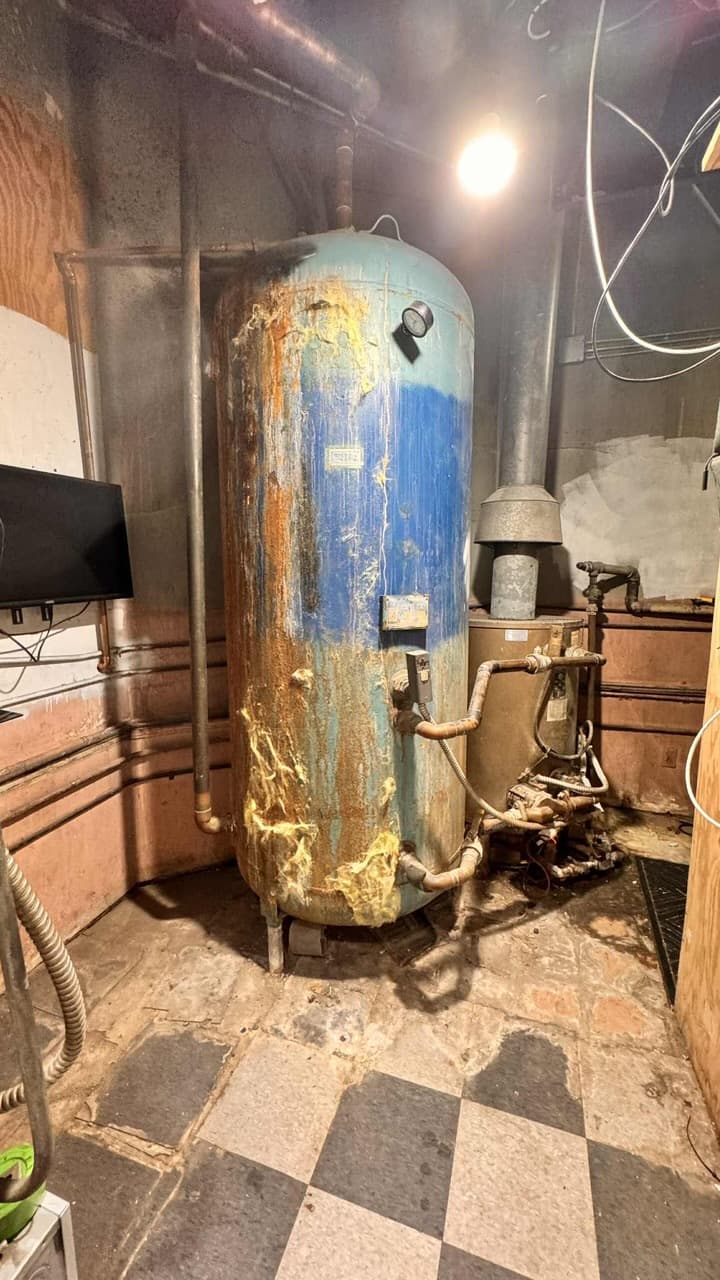
How boiler & hydronic service work plays out in Pasadena
Pasadena winters are mild by most standards but noticeably cooler than the coast, with nights in the foothills dropping into the 30s and 40s and occasional cold snaps that last a week or more. That is enough to make heating real for the buildings that have boilers: Huntington Hospital and the medical buildings near it, the older institutional and academic buildings around Caltech and the Civic Center, hotels along Colorado Boulevard with hydronic systems in guest rooms, and multi-story offices along Lake Avenue with reheat coils. Many of these systems date from the mid-twentieth century and have original piping.
The failure pattern in Pasadena is the one every mild-climate boiler shares, sharpened by age. A system idle from April to November develops seized pumps, stuck zone valves, a flame safeguard that fails to prove, an expansion tank that has lost its charge, and leaks at joints that only show once the loop is hot. In historic buildings, the mechanical room may be in a basement that floods in the rare heavy rain, and asbestos insulation on old piping limits what can be touched without abatement. Hotels discover a heating failure through guest complaints at midnight during a cold week in January.
Davinci Mechanical does preseason boiler and hydronic service in Pasadena in October and November: combustion analysis, safety verification, pump and valve exercise, expansion tank charge, leak inspection, and a review of the control sequence and reset schedule, which is frequently set too aggressively for the city's actual winters. Findings are recorded in the DaVinci Portal. For hospital and institutional owners, that documentation supports compliance reviews; for owners of older buildings, it supports a realistic plan for piping and equipment that is nearing the end of its life.
Pasadena's climate and what it does to this equipment
Pasadena sits inland at the foot of the San Gabriel Mountains, so it runs considerably hotter than the coast, with long summers, frequent days well into the 90s and sometimes above 100, and warm evenings that give equipment little recovery time. Santa Ana wind events in fall bring dry heat and dust, and nearby wildfire smoke and ash can load filters and coils quickly. Foothill conditions also mean leaves and debris in condensers, and older buildings with limited airflow show weaknesses early in every heat wave.
For the equipment background behind this page, read our water heaters and boilers guide or the full Boilers & Hydronic Heating service page.
- Old PasadenaHistoric brick buildings with restaurants and retail, tight alleys, retrofitted mechanical systems, and roof access that varies from easy to awkward.
- Colorado Boulevard and the Playhouse DistrictHotels, entertainment venues, restaurants, and offices along the main boulevard, with heavy demand during parade and event periods.
- Caltech area and science or institutional campusesResearch buildings, labs, and institutional facilities with demanding environmental control and documentation expectations.
- Civic Center and the Huntington Hospital areaCity buildings, medical offices, and hospital-adjacent properties where clinical comfort, filtration, and scheduling are central.
- Combustion analysis and tuning with logged results
- Low-water cutoff, relief valve, and flame-safeguard testing
- Condensing and non-condensing boiler service
- Hydronic loop, pump, valve, and expansion-tank diagnostics
What a boiler & hydronic service visit includes, and the problems we most often find
- Review boiler type, age, fuel, and the loads it serves
- Inspect burners, heat exchanger surfaces, venting, and combustion air
- Run combustion analysis and adjust to manufacturer specifications
- Test safeties and controls; check loop pressure, flow, and water quality
- Document results and recommend repairs or replacement timing
- Poor combustion tuning wasting fuel and fouling heat exchangers
- Condensing boilers running with return temperatures too high to condense
- Air in the loop or failing pumps causing cold zones
- Untested safeties on older boilers with no maintenance records