Commercial HVAC Repair in City of Industry, CA
When a rooftop unit fails in a City of Industry warehouse in August, the roof surface itself can exceed what the unit was designed to reject heat into. That is why we look beyond the failed component to condenser airflow, refrigerant charge, recirculation between neighboring units and the electrical supply. Many of the buildings have rows of identical units, so one root cause can be repeating across the roof. We find it, document it, and give owners and property managers a clear account of which units are healthy and which are on borrowed time.
One of the largest warehouse, distribution and manufacturing concentrations in the San Gabriel Valley, with food processing, rail corridors and punishing inland summer heat.
How commercial hvac repair work plays out in City of Industry
City of Industry has almost no residents and a daytime population that fills some of the largest buildings in the San Gabriel Valley, so a repair here is rarely about one thermostat. The call usually comes from a facility manager responsible for a distribution center on Valley Boulevard or Azusa Avenue with forty or sixty packaged units on a white or, more often, aging dark roof, and the question is why four of them are down in the same week. In July that roof surface is radiating heat at the condensers from below while the air above is already past 100 degrees, and units that are marginal on charge or airflow unload or trip one after another.
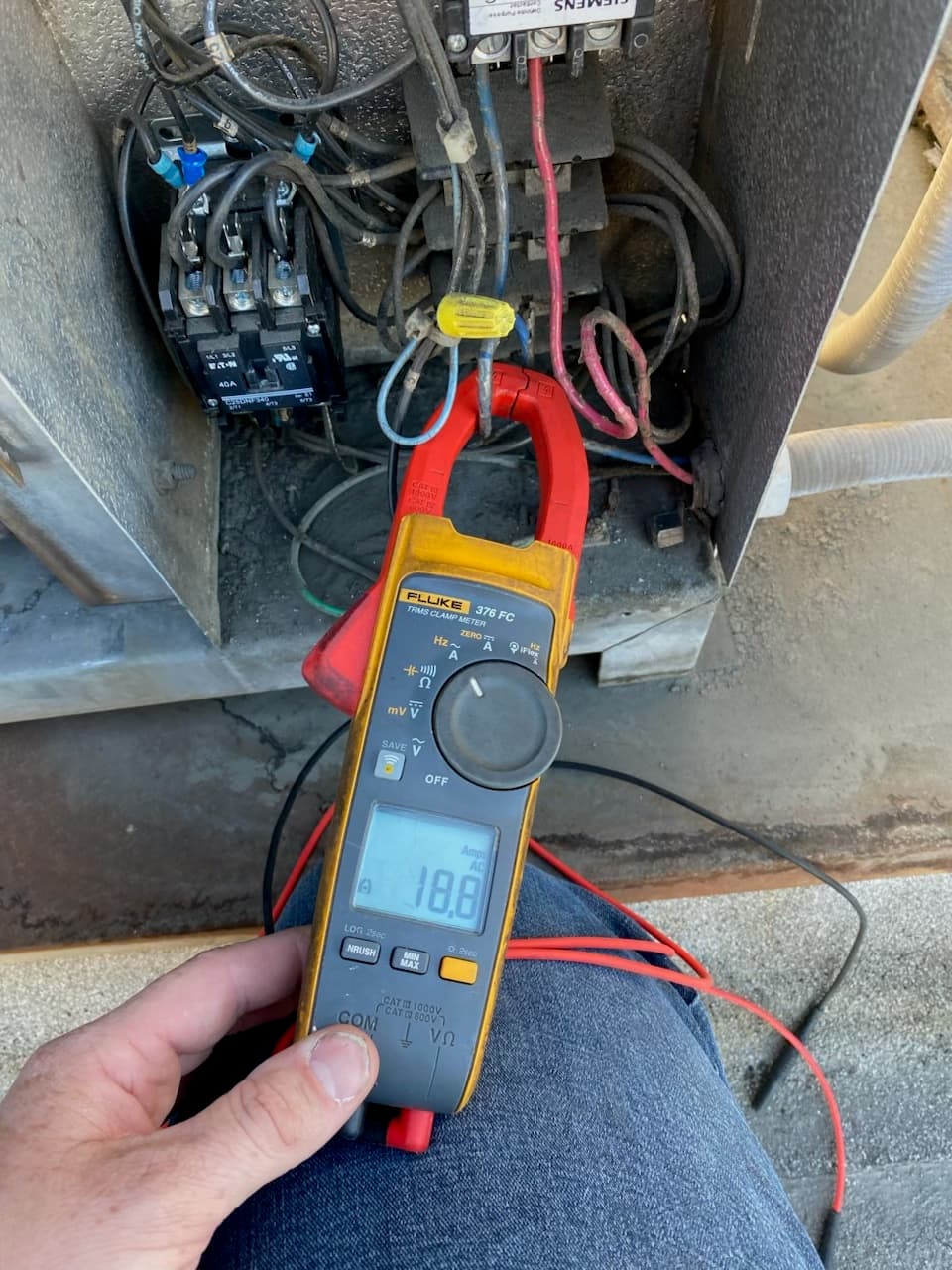
Repeating failures across identical units point to a shared cause, and we look for it before touching the failed one. Recirculation between units spaced too closely, a roof-wide filter schedule that slipped, a utility voltage sag that hits the whole service, or a batch of contactors reaching end of life together are more common than four independent compressor failures. We log head pressure, superheat, voltage and amperage on the working units as well as the dead ones so the pattern is visible, then fix the cause and the casualties.
Access and timing follow the freight. Many Industry buildings run two or three shifts and have rail spurs and truck courts on multiple sides, so we agree with the warehouse manager on where a lift truck or a service vehicle can stage and which hours the roof hatch is usable. The outcome is a documented condition report per unit, stored in the DaVinci Portal, that tells a property manager or a national tenant's facilities team which units are healthy and which are on borrowed time. Our root-cause diagnostics guide explains the method.
City of Industry's climate and what it does to this equipment
City of Industry sits in the San Gabriel Valley, well inland, and summer afternoons regularly push past 95 degrees with stretches of triple digits. Large dark roofs soak up that heat, so rooftop units work against extreme ambient conditions plus radiant load from the roof surface. Low humidity makes evaporative approaches effective but also puts a premium on clean condensers, since dusty air from rail yards and truck traffic builds up fast on coils. Santa Ana wind events add debris and static pressure problems, and winter nights are mild enough that heating loads stay light.
For the equipment background behind this page, read our root-cause diagnostics guide or the full Commercial Troubleshooting & Repair service page.
- Valley Boulevard and Azusa Avenue distribution corridorLarge tilt-up warehouses with long rooftop unit rows, dock offices and multi-shift operations.
- Gale Avenue and Nelson Avenue manufacturing and food-processing blocksPlants with process refrigeration, sanitation hot water and make-up air demands that change with production.
- Puente Hills Mall and Fullerton Road retailAnchor and strip retail with restaurants, older packaged equipment and shared roof infrastructure.
- Industry Hills hospitality and business park areaResort, event and office properties with hot water loads, chilled-water or large packaged systems and seasonal event peaks.
- Root-cause diagnostics, not guesswork
- Truck-stocked parts for common same-day fixes
- Clear repair options before any work is authorized
- DaVinci Portal included: QR service history, notes, photos
What a commercial hvac repair visit includes, and the problems we most often find
- Call in the issue — what the equipment is doing, and what it's affecting
- Tech arrives with truck-stocked parts for the most common failures on that equipment type
- Root-cause diagnostic with readings taken and logged, not just symptom patching
- Repair options presented with pricing before anything is authorized
- Approved work completed same-visit where parts allow; readings logged to the Portal
- Electrical failures — contactors, capacitors, and control boards
- Refrigerant leaks and low-charge symptoms
- Failed motors, bearings, and belts on fans and blowers
- Clogged condensate drains causing water damage or shutdowns