Kitchen Ventilation & Make-Up Air in City of Industry, CA
Food processing plants and commissary kitchens in the city need exhaust and make-up air that stay in balance as lines are added or relocated. If exhaust outruns supply, doors become hard to open, dock air gets pulled into prep areas, and burners on gas equipment can misbehave. We measure airflow at fans and make-up air units, inspect burners and belts, and rebalance so pressure relationships are intentional. In extreme heat, makeup air also needs capacity to temper incoming air so kitchen crews stay safe.
One of the largest warehouse, distribution and manufacturing concentrations in the San Gabriel Valley, with food processing, rail corridors and punishing inland summer heat.
How kitchen ventilation & make-up air work plays out in City of Industry
Picture a food-processing room on Gale Avenue where a new cooking line went in last quarter. The exhaust hood and fan were part of the equipment package, the make-up air unit was not, and now the room runs negative: doors between the raw and cooked areas no longer close on their own, hot yard air is pulled into the prep area through every gap, and the gas burners on the kettles are running rich. In a plant, that is a food-safety problem as much as a comfort problem, because the pressure relationships between zones are part of the hygiene plan.
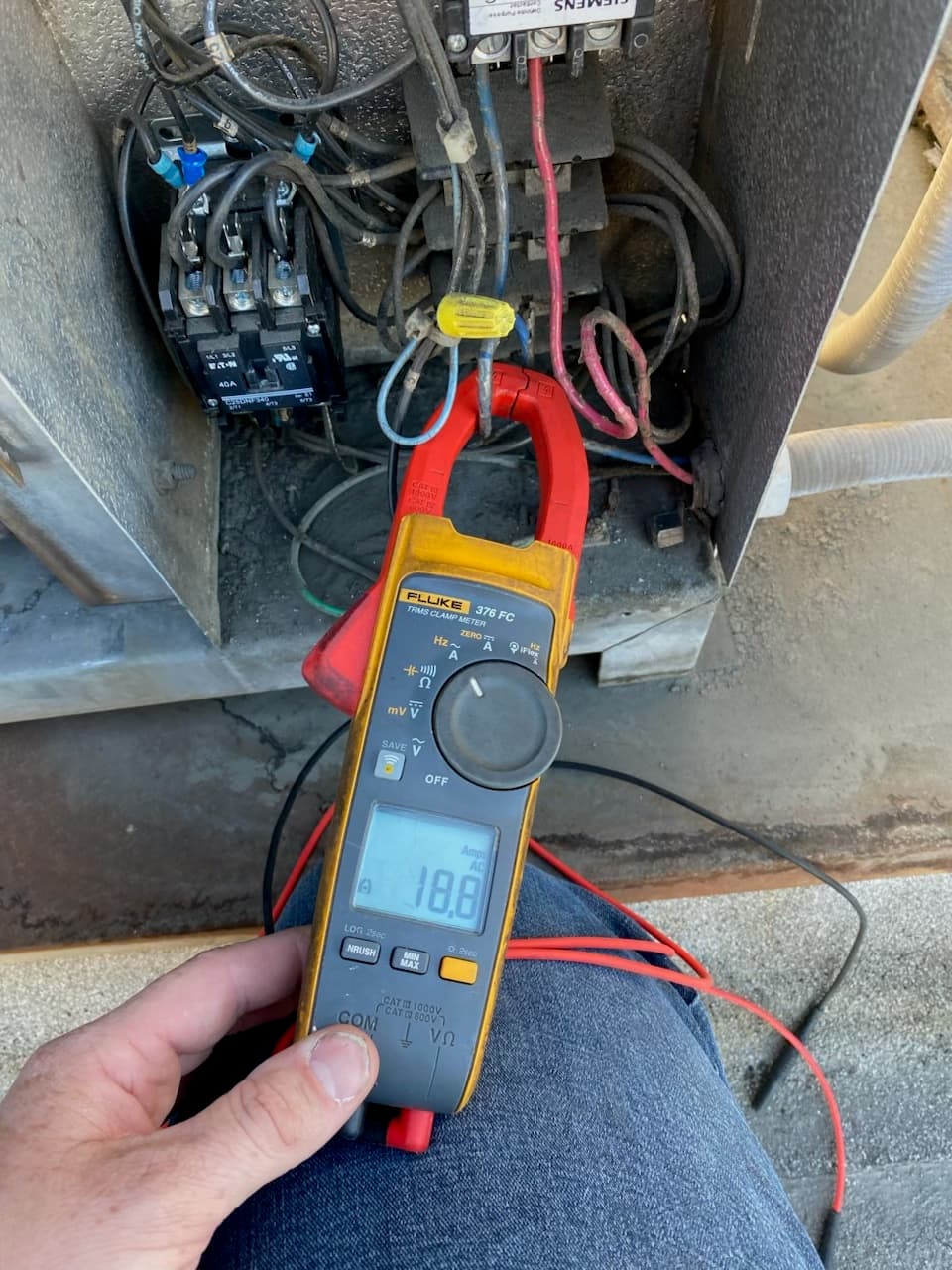
Summer makes the balance harder. Make-up air units on Industry roofs are tempering intake air that may be over 100 degrees, so their cooling or evaporative sections have to actually work or the kitchen crew is cooking in an oven. Filters load with dust from the truck courts and rail lines, belts slip, burners on gas-fired tempering units soot up, and the unit delivers less air every month until the room drifts negative again. We measure exhaust and supply at the fans, inspect the tempering section and burners, and rebalance so the pressure relationship is deliberate and the intake air is conditioned.
Our scope is the fans, the make-up air equipment and the air balance, not hood or duct cleaning, and we coordinate with the plant's quality manager before adjusting anything that affects zone pressures. Restaurant and commissary kitchens around Puente Hills Mall and along Fullerton Road get the same treatment on a smaller scale, often after a tenant inherits a space built for a lighter cooking load. The restaurants industry page explains how we approach kitchen HVAC in leased spaces.
City of Industry's climate and what it does to this equipment
City of Industry sits in the San Gabriel Valley, well inland, and summer afternoons regularly push past 95 degrees with stretches of triple digits. Large dark roofs soak up that heat, so rooftop units work against extreme ambient conditions plus radiant load from the roof surface. Low humidity makes evaporative approaches effective but also puts a premium on clean condensers, since dusty air from rail yards and truck traffic builds up fast on coils. Santa Ana wind events add debris and static pressure problems, and winter nights are mild enough that heating loads stay light.
For the equipment background behind this page, read our kitchen ventilation and make-up air guide or the full Kitchen Ventilation & Make-Up Air service page.
- Valley Boulevard and Azusa Avenue distribution corridorLarge tilt-up warehouses with long rooftop unit rows, dock offices and multi-shift operations.
- Gale Avenue and Nelson Avenue manufacturing and food-processing blocksPlants with process refrigeration, sanitation hot water and make-up air demands that change with production.
- Puente Hills Mall and Fullerton Road retailAnchor and strip retail with restaurants, older packaged equipment and shared roof infrastructure.
- Industry Hills hospitality and business park areaResort, event and office properties with hot water loads, chilled-water or large packaged systems and seasonal event peaks.
- Make-up air unit service, repair, and replacement
- Exhaust fan belts, motors, and airflow verification
- Kitchen-to-dining pressure balance so doors and hoods behave
- Documented readings, not guesses, on airflow and temperature
What a kitchen ventilation & make-up air visit includes, and the problems we most often find
- Walk the kitchen during or near service to see what the building actually does
- Measure exhaust and make-up airflow, temperatures, and building pressure
- Inspect fans, belts, motors, dampers, burners, and controls
- Repair or adjust, then re-measure to confirm the balance
- Document results and flag items for the hood-cleaning and fire-protection vendors to handle
- Make-up air that is undersized or off, pulling conditioned air from the dining room
- Exhaust fan belts and bearings worn, cutting airflow below what the hood needs
- Kitchens running negative, causing hard-to-open doors, drafts, and burner issues
- Make-up air units with failed burners or controls during cold or hot weather
Kitchen Ventilation & Make-Up Air in City of Industry: questions we get
Our Industry plant added exhaust and now the packaging room is warmer and dustier. Are those connected?
Yes. The new exhaust pulls air from wherever it can, and without matching make-up air the whole building goes negative. Unfiltered, hot outside air comes in through dock doors and gaps, carrying dust into areas that should be clean and overwhelming the rooftop units. The fix is tempered make-up air sized to the new exhaust, delivered where the hood needs it, so the rest of the plant returns to the intended pressure relationships.
Can make-up air in City of Industry be evaporative, given the dry heat?
Often it is a good fit. Low summer humidity in the San Gabriel Valley lets an evaporative tempering section drop intake air temperature substantially at low operating cost, which suits kitchens and processing rooms with high exhaust rates. The tradeoffs are hard-water scale on media and the need for a water treatment and media replacement schedule. We evaluate the room's load and the water quality before recommending it.
Do you clean hoods and ducts?
No. Hood and duct cleaning is a separate specialty. We handle the mechanical side: exhaust fans, make-up air, and HVAC balance.
Why is my dining room hot when the kitchen is running?
Often the make-up air is not matched to the exhaust, so the kitchen pulls conditioned air from the dining room. Measuring airflow and pressure shows where the balance is off.
Can you replace a make-up air unit?
Yes. We size to the hood's exhaust requirement, coordinate permits, and handle rigging and controls.