Building Controls & Automation in Temecula, CA
Buildings in Temecula benefit from controls that use the cool evenings. When economizers work correctly and schedules reflect actual operating hours, outside air can shoulder much of the load after sunset. Stuck dampers and miscalibrated sensors defeat that benefit. We test actuators, verify sensor accuracy, and adjust schedules for events and seasonal hours, then document the sequences so multi-site operators can keep settings consistent.
A hospitality-driven valley city where wine-country restaurants, Old Town dining, a growing medical sector, and business parks all depend on dependable cooling in summer heat and wind.
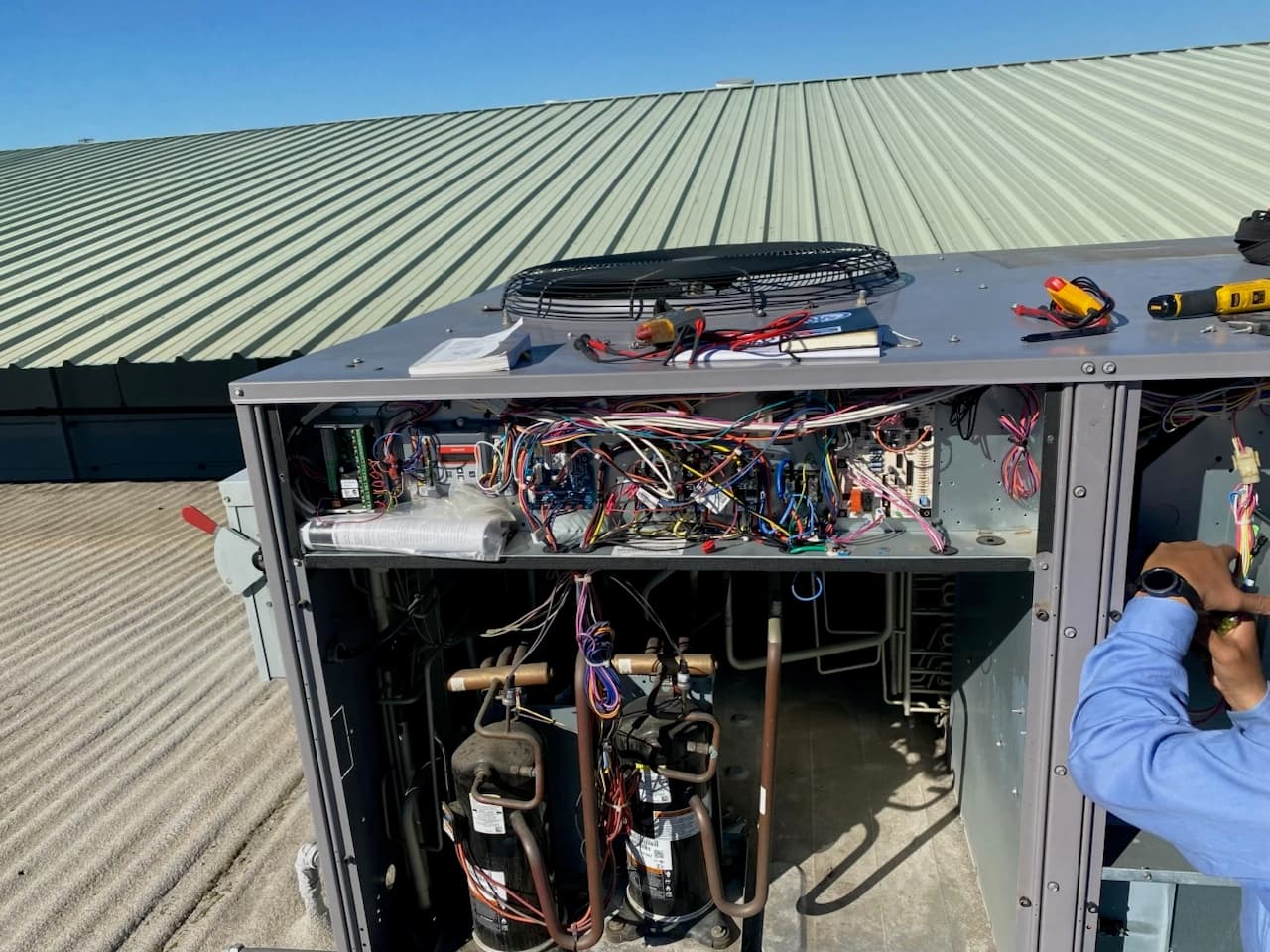
How building controls & automation work plays out in Temecula
Temecula is one of the few Inland Empire cities where economizers earn their keep nearly every night of the summer. Once the marine air comes through the Rainbow Gap in the evening, outdoor temperatures often drop into the sixties while buildings are still holding the day's heat. A rooftop unit with a working economizer can cool a restaurant or an office on outdoor air alone for hours. A unit with a stuck damper, a failed outdoor air sensor, or a lockout setpoint left at the factory default runs the compressor through that whole window and wears itself out doing work the weather would have done for free.
The second controls problem here is schedules. Hospitality hours in the valley move with the season: tasting rooms run later in summer, event venues light up on weekends and go dark midweek, and Old Town restaurants shift between lunch and dinner emphasis. Thermostats and simple controllers programmed once at opening rarely reflect any of that. Medical offices around Temecula Valley Hospital have a different need, which is tight, consistent conditions during clinic hours and verified setback outside them, with documentation that the system did what it was supposed to.
Our controls visits start with verification rather than programming. We test damper actuators through their full range, check outdoor, return, and mixed air sensors against a reference, confirm economizer changeover logic and lockouts suit the valley's climate, and then rebuild schedules around how each space is actually used. For multi-site operators we standardize settings so the same ownership group's buildings behave the same way. Sequences and setpoints are documented in the DaVinci Portal, which is useful when staff turns over. See building controls and automation for the full scope.
Temecula's climate and what it does to this equipment
Temecula sits farther from the coast than most of Southern California's urban areas but still catches a marine layer that funnels through the Rainbow Gap, so evenings can cool noticeably after very hot days. The wide daily temperature swing is hard on equipment because it stresses controls, economizers, and refrigerant systems differently from a steady climate. Summer afternoons are hot and dry, with gusty winds that carry dust from vineyards and construction sites into coils and intakes. Wildfire smoke from inland hills and the surrounding region can load filters, and fall Santa Ana conditions add heat and debris at the end of the cooling season.
For the equipment background behind this page, read our building controls and energy guide or the full Building Controls & Automation service page.
- Old Town TemeculaFront Street restaurants, boutiques, and event spaces in older buildings, usually with compact rooftop or split equipment and limited access.
- Wine country and Rancho California RoadTasting rooms, resorts, event venues, and restaurants with seasonal peaks and walk-in storage that supports food and beverage programs.
- Temecula Valley Hospital and medical districtClinics, imaging centers, and specialty offices near the hospital campus with strict temperature and air quality expectations.
- Winchester Road and Ynez corridor business parksRetail centers, offices, and light industrial space with multi-tenant rooftop systems along the main commercial arteries.
- Schedule, setpoint, and sequence review across rooftop and central equipment
- Sensor calibration and economizer verification
- Alarm and trend setup so problems surface early
- Programmable and networked thermostat installation
What a building controls & automation visit includes, and the problems we most often find
- Inventory controllers, thermostats, and any building automation system
- Compare schedules and setpoints to how the building is actually used
- Verify sensors, actuators, and economizer logic against measured conditions
- Correct overrides, sequences, and alarms; document the changes
- Review trends after adjustment to confirm savings and stability
- Schedules left at default so equipment runs when nobody is there
- Equipment overridden manually and never returned to automatic
- Drifting or miswired sensors producing comfort complaints
- Economizers that never actually modulate
Building Controls & Automation in Temecula: questions we get
How much difference does a working economizer make in Temecula compared with a city that stays hot overnight?
Our tasting room hours change by season and for events. Is it realistic to keep thermostat schedules current?
Do you install building automation systems?
Can better controls really cut energy use?
Can you connect to our existing system?
Other services in Temecula
Building Controls & Automation nearby in Inland Empire (Riverside & San Bernardino Counties)
Commercial HVAC and refrigeration across Inland Empire (Riverside & San Bernardino Counties)