Commercial HVAC Repair in Temecula, CA
A common Temecula failure pattern is one that shows up on a hot weekend and disappears by Monday morning, when the evening cool-down masks it. Rather than assuming the issue resolved itself, we log pressures, temperatures, and electrical readings through the hottest part of the day and compare them with the cool hours. That finds marginal charge, failing capacitors, and weak fan motors that only reveal themselves under load, and it keeps a tasting room or restaurant from having the same call twice.
A hospitality-driven valley city where wine-country restaurants, Old Town dining, a growing medical sector, and business parks all depend on dependable cooling in summer heat and wind.
How commercial hvac repair work plays out in Temecula
Picture a Saturday in late July on Rancho California Road. A tasting room has forty people inside, the patio is full, and the rooftop package unit over the main room has been running since nine in the morning without a break. By two in the afternoon the supply air is barely cooler than the room. The manager calls, but by the time anyone can get there the marine air has pushed through the Rainbow Gap, the outdoor temperature has dropped fifteen degrees, and the unit is suddenly fine. That pattern repeats across Temecula hospitality every summer, and it is why a repair visit here has to be timed and measured, not just attended.
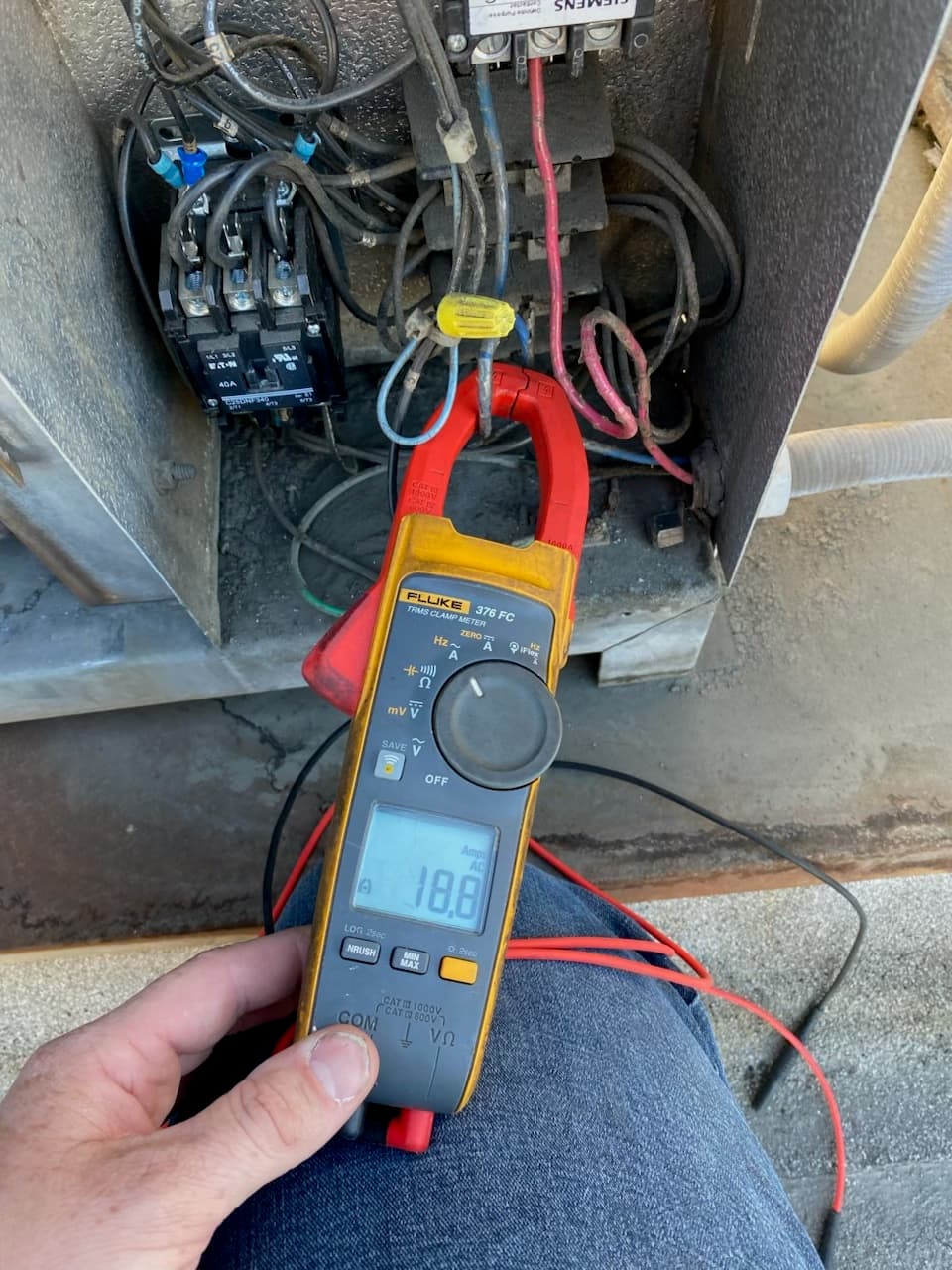
The way we approach it is to arrive during the hot window whenever the schedule allows, pull superheat and subcooling, read condenser fan and compressor amperage, and compare those numbers against the unit's rated performance at the ambient temperature we actually see on the roof. A unit that is five to ten percent short on charge, or one with a condenser fan motor that slows as it heats up, will pass every test at seven in the evening and fail every test at three. We document both sets of readings in the DaVinci Portal so the owner can see why the fix was what it was.
The same logic applies to reach-ins and ice machines in Old Town kitchens along Front Street, where back-of-house spaces are tight and often share air with the cookline. In those rooms the equipment is fighting its own environment as much as the weather, and a repair that ignores the room will not hold. A good outcome in Temecula is not just a unit that cools again today; it is a written root cause and a unit that stays up through the Balloon and Wine Festival weekend and the harvest season that follows.
Temecula's climate and what it does to this equipment
Temecula sits farther from the coast than most of Southern California's urban areas but still catches a marine layer that funnels through the Rainbow Gap, so evenings can cool noticeably after very hot days. The wide daily temperature swing is hard on equipment because it stresses controls, economizers, and refrigerant systems differently from a steady climate. Summer afternoons are hot and dry, with gusty winds that carry dust from vineyards and construction sites into coils and intakes. Wildfire smoke from inland hills and the surrounding region can load filters, and fall Santa Ana conditions add heat and debris at the end of the cooling season.
For the equipment background behind this page, read our root-cause diagnostics guide or the full Commercial Troubleshooting & Repair service page.
- Old Town TemeculaFront Street restaurants, boutiques, and event spaces in older buildings, usually with compact rooftop or split equipment and limited access.
- Wine country and Rancho California RoadTasting rooms, resorts, event venues, and restaurants with seasonal peaks and walk-in storage that supports food and beverage programs.
- Temecula Valley Hospital and medical districtClinics, imaging centers, and specialty offices near the hospital campus with strict temperature and air quality expectations.
- Winchester Road and Ynez corridor business parksRetail centers, offices, and light industrial space with multi-tenant rooftop systems along the main commercial arteries.
- Root-cause diagnostics, not guesswork
- Truck-stocked parts for common same-day fixes
- Clear repair options before any work is authorized
- DaVinci Portal included: QR service history, notes, photos
What a commercial hvac repair visit includes, and the problems we most often find
- Call in the issue — what the equipment is doing, and what it's affecting
- Tech arrives with truck-stocked parts for the most common failures on that equipment type
- Root-cause diagnostic with readings taken and logged, not just symptom patching
- Repair options presented with pricing before anything is authorized
- Approved work completed same-visit where parts allow; readings logged to the Portal
- Electrical failures — contactors, capacitors, and control boards
- Refrigerant leaks and low-charge symptoms
- Failed motors, bearings, and belts on fans and blowers
- Clogged condensate drains causing water damage or shutdowns
Commercial HVAC Repair in Temecula: questions we get
Our tasting room cooling fails on hot weekend afternoons but works fine when the technician shows up Monday morning. How do you find a problem like that?
We schedule the diagnostic for the hot part of the day, ideally a weekend afternoon when the room is occupied, and we take refrigerant pressures, temperatures, and amperage under that load. Then we compare them with readings taken when the valley has cooled. Marginal charge, weak condenser fan motors, and failing capacitors show up clearly in that comparison. If a same-day hot-window visit is not possible, we leave temperature loggers in place and return with data rather than guesses.
Can repairs on an Old Town restaurant be done without closing for a lunch or dinner service?
Usually yes, with planning. Most Front Street buildings have compact rooftop or split equipment reached from the rear alley or an exterior ladder, so the work does not need to come through the dining room. We ask for the kitchen's quiet window, which is often mid-morning or between lunch and dinner, and we bring the likely parts based on the first visit's readings so the second trip is short. If a part has to be sourced, we tell you before you plan the next service.
How fast can you get a tech on site?
Most diagnostics are same-day across our Orange County coverage area. Priority accounts and maintenance-plan members get first availability.
Do you charge a diagnostic fee?
Yes, a flat diagnostic fee that's disclosed up front and applied toward the repair if you approve it the same visit.
Other services in Temecula
Commercial HVAC Repair nearby in Inland Empire (Riverside & San Bernardino Counties)
Commercial HVAC and refrigeration across Inland Empire (Riverside & San Bernardino Counties)