Commercial HVAC Repair in Culver City, CA
In Culver City, a failure rarely happens in a conventional building. A unit may serve an edit suite whose noise limits are strict, a roof deck over a restaurant, or a converted warehouse with exposed ductwork and no clear equipment drawings. We start by understanding how the space is used, then trace the fault through airflow, refrigerant and control logic. Because tenants here run production schedules and service calls are costly to them, we focus on identifying the true cause so the same problem does not return next week.
Studio and creative offices, Downtown Culver City restaurants, converted Hayden Tract buildings and medical offices on the Westside.
How commercial hvac repair work plays out in Culver City
The hardest part of a Culver City repair is often finding the equipment. A post-production company in a converted Hayden Tract warehouse calls because one edit bay is 78 degrees while the rest of the floor is cold. The building has exposed structure, a mezzanine added by a prior tenant, two generations of ductless heads, and a rooftop unit whose supply duct was cut and capped when a wall moved. There are no drawings. We trace airflow from the unit to the register, measure what each zone actually receives, and check refrigerant and control behavior under load before touching anything, because the fault in these buildings is usually a modification, not a failed part.
Downtown Culver City restaurants along Culver and Washington Boulevards have a different pattern: tight shells, rooftop units shared with neighbors, condensers crowded next to kitchen exhaust, and equipment that runs seven days a week into late evening. A unit that trips during Friday dinner service has usually been pulling hot, greasy air across its coil for months. Medical offices along Sepulveda and Venice and the office buildings around Fox Hills tend to have cleaner equipment and messier controls, with zones that fight each other after a tenant improvement.
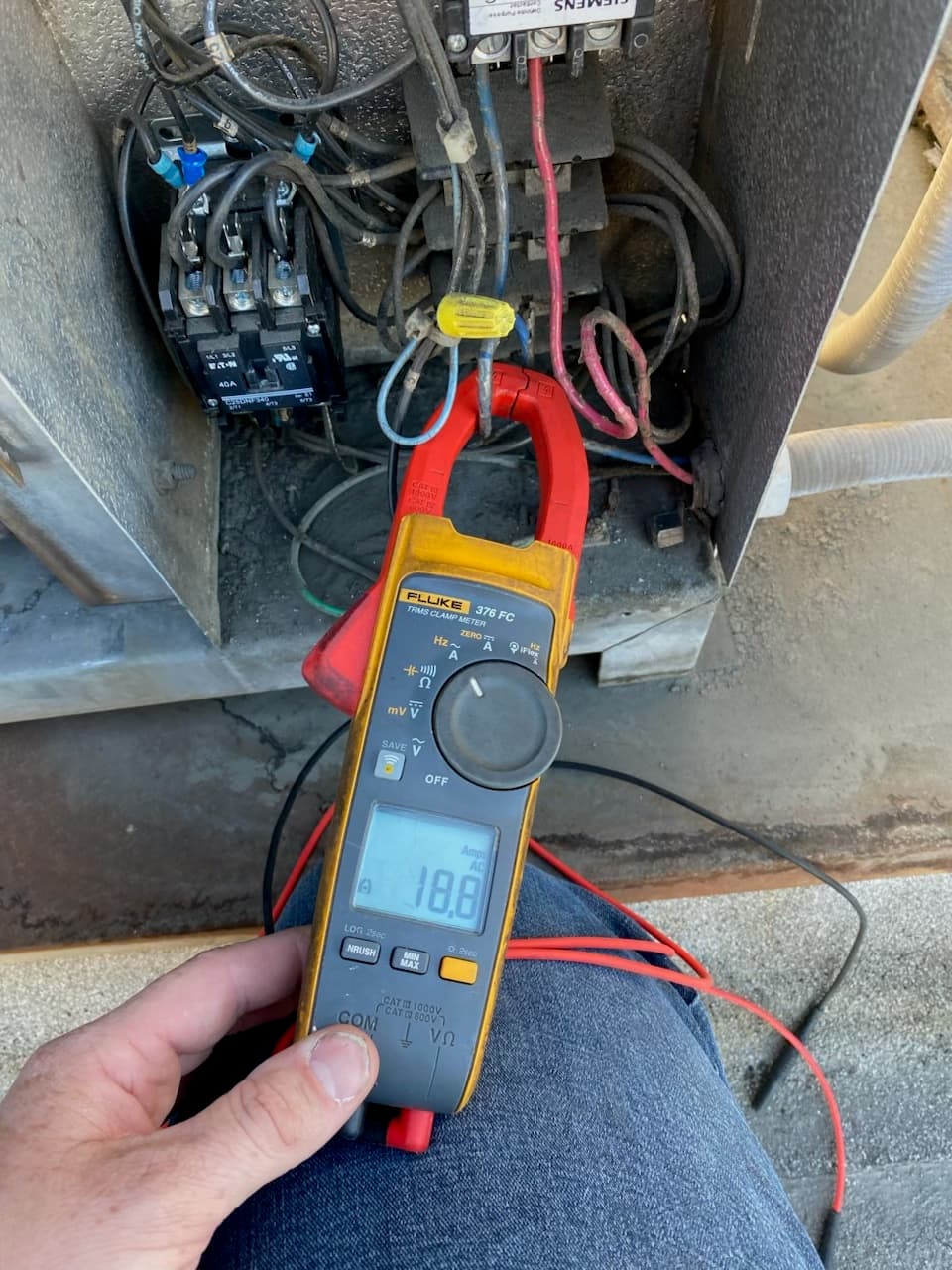
Culver City tenants are expensive to interrupt. A stage day, a sold-out dining room or a full clinic schedule cannot be rebooked, so a repair that returns the following week costs far more than the invoice. We aim for one visit that identifies the root cause, a written finding with the readings behind it, and a clear statement of whether the equipment is worth repairing. Where it is not, we say so and lay out the replacement options. The diagnostics guide explains the method.
Culver City's climate and what it does to this equipment
Culver City sits a few miles inland from the coast on the Westside, so the marine layer regularly cools mornings and evenings, and the city sees fewer extreme heat days than the valleys. Afternoons in summer are warm, with a heat wave now and then, and humidity is moderate. That mildness means free cooling is available much of the year, which makes economizer function valuable. Salt is a lesser concern than at the beach, but sea breeze, traffic and nearby freeway particulate still load coils. Equipment runs a long cooling season with moderate peak stress.
For the equipment background behind this page, read our root-cause diagnostics guide or the full Commercial Troubleshooting & Repair service page.
- Studio campuses (Sony Pictures Studios and the Culver Studios area)Soundstages, edit suites, chilled-water systems and noise-sensitive spaces with strict uptime and acoustic requirements.
- Downtown Culver City (Culver and Washington Boulevards)Restaurants, food halls and boutique retail in older low-rise buildings with tight kitchens and shared roofs.
- Hayden Tract and the Helms Bakery DistrictConverted warehouse and creative-office buildings with exposed systems, unusual roof structures and mixed-generation equipment.
- Sepulveda, Venice and Fox Hills medical and office corridorsMedical offices and mid-rise professional buildings with zoned comfort and after-hours service needs.
- Root-cause diagnostics, not guesswork
- Truck-stocked parts for common same-day fixes
- Clear repair options before any work is authorized
- DaVinci Portal included: QR service history, notes, photos
What a commercial hvac repair visit includes, and the problems we most often find
- Call in the issue — what the equipment is doing, and what it's affecting
- Tech arrives with truck-stocked parts for the most common failures on that equipment type
- Root-cause diagnostic with readings taken and logged, not just symptom patching
- Repair options presented with pricing before anything is authorized
- Approved work completed same-visit where parts allow; readings logged to the Portal
- Electrical failures — contactors, capacitors, and control boards
- Refrigerant leaks and low-charge symptoms
- Failed motors, bearings, and belts on fans and blowers
- Clogged condensate drains causing water damage or shutdowns