Commercial HVAC Repair in Whittier, CA
In Whittier, a repair call often lands on a unit installed by a previous owner, with no drawings and a wiring history that includes several modifications. We begin by establishing what is actually there: refrigerant type, electrical configuration, control logic and duct layout. From there, root-cause testing separates real component failure from the effects of dirty coils, leaking ductwork or a thermostat wired in a nonstandard way. Owners get a written account of findings, which is useful when a building changes hands or when a landlord and tenant disagree over responsibility.
Uptown Whittier restaurants, hospital and medical campuses, light industrial streets and Quad-area retail on aging but well-kept commercial buildings.
How commercial hvac repair work plays out in Whittier
A Whittier repair call starts with archaeology. The storefront on Greenleaf Avenue has had four tenants since the rooftop unit went in, each with its own contractor, and the result is a thermostat wire landed on the wrong terminal, a condenser fan motor from a different manufacturer, a duct branch capped behind a wall during a remodel and no drawings for any of it. Before anyone quotes a compressor, the useful work is establishing what is actually installed and how it was altered, because a surprising share of Uptown failures are the cumulative effect of past shortcuts rather than a part that wore out.
Out on Whittier Boulevard and Painter Avenue, the picture is more conventional: mid-size centers and freestanding pads with packaged units in the 10-to-20-year range, grocery and pharmacy tenants whose refrigeration shares the roof with the HVAC, and landlords who want a clear answer on repair versus replace. Puente Hills fire-season smoke and ash is a Whittier-specific wrinkle; a unit that was fine in August can be choking on a filter and coil full of fine particulate by October, and the symptom looks like a refrigerant or airflow problem until someone pulls the filter.
The hospital campus on Washington Boulevard and the medical offices around it bring the calls that cannot wait and cannot be improvised. Exam-room, procedure and pharmacy spaces have temperature and humidity expectations, access is coordinated with facilities and infection-control staff, and the repair is documented in the DaVinci Portal with readings before and after. For a city where most owners intend to keep their buildings for decades, that record is how a repair becomes institutional memory. The method is described at commercial troubleshooting and repair.
Whittier's climate and what it does to this equipment
Whittier sits in the foothills edge of the Los Angeles basin, with the Puente Hills to the east, and the marine layer reaches it more often than it reaches the San Gabriel Valley. Summers are warm to hot, commonly in the 80s and 90s with periodic heat waves, and nights cool enough to give economizers real use. Hillside areas see higher fire-season smoke and ash, which clog filters and coils. Santa Ana winds bring dust and heat in fall. Equipment faces moderate heat but significant air quality swings and the wear of buildings that are decades old.
For the equipment background behind this page, read our root-cause diagnostics guide or the full Commercial Troubleshooting & Repair service page.
- Uptown Whittier (Greenleaf Avenue)Historic low-rise restaurants, cafes and shops with retrofitted kitchens, walk-ins and shared or hard-to-reach roofs.
- Whittier Boulevard and Painter Avenue retailMid-size centers and freestanding pads with grocery, pharmacy and restaurant tenants and aging packaged units.
- PIH Health Whittier Hospital and medical office areaHospital-adjacent buildings with strict temperature, humidity and ventilation needs and after-hours service demands.
- Telegraph Road and light-industrial blocksSmall manufacturing, auto and contractor buildings with a handful of older rooftop units and limited controls.
- Root-cause diagnostics, not guesswork
- Truck-stocked parts for common same-day fixes
- Clear repair options before any work is authorized
- DaVinci Portal included: QR service history, notes, photos
What a commercial hvac repair visit includes, and the problems we most often find
- Call in the issue — what the equipment is doing, and what it's affecting
- Tech arrives with truck-stocked parts for the most common failures on that equipment type
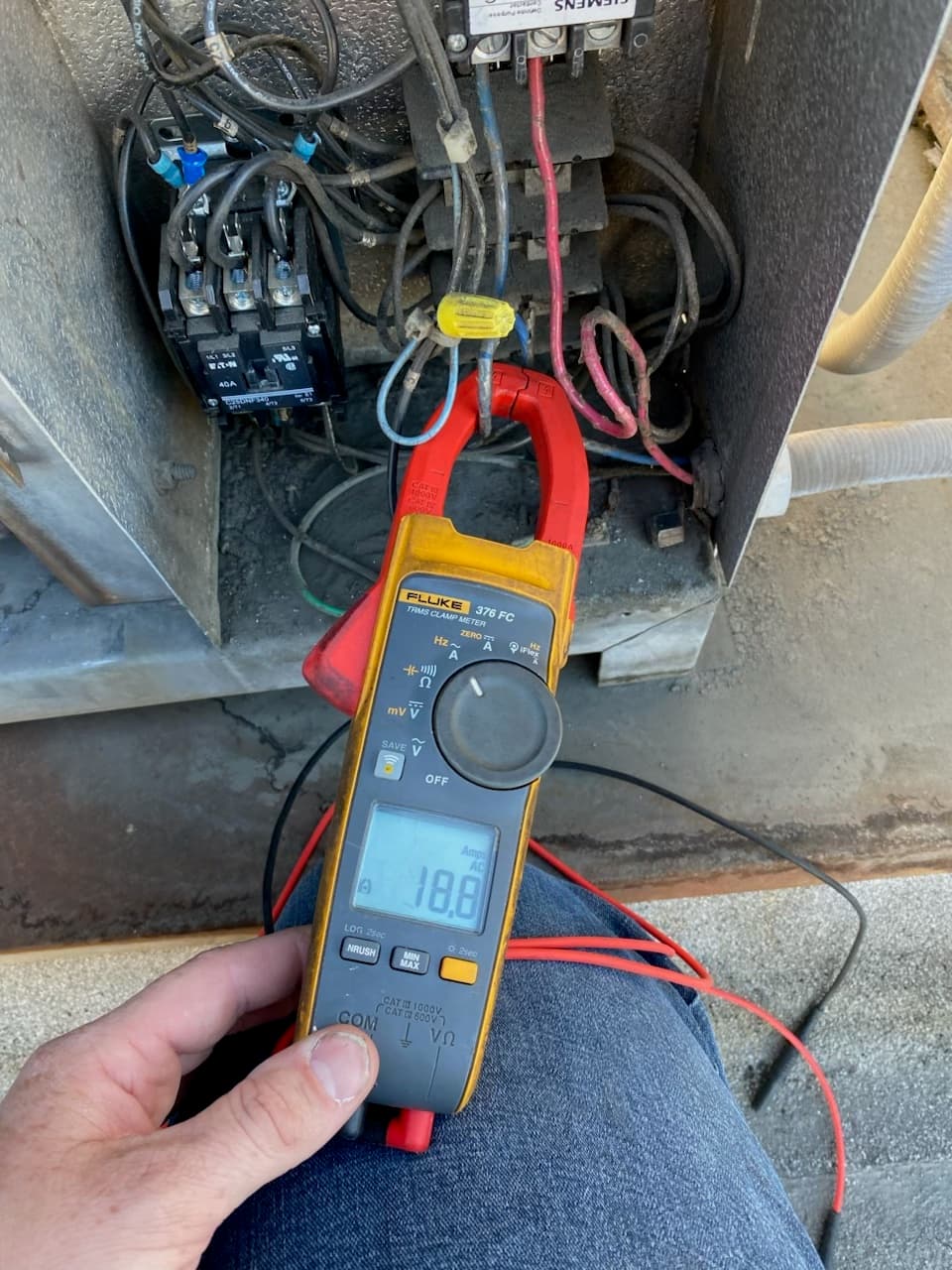
- Root-cause diagnostic with readings taken and logged, not just symptom patching
- Repair options presented with pricing before anything is authorized
- Approved work completed same-visit where parts allow; readings logged to the Portal
- Electrical failures — contactors, capacitors, and control boards
- Refrigerant leaks and low-charge symptoms
- Failed motors, bearings, and belts on fans and blowers
- Clogged condensate drains causing water damage or shutdowns