Commercial HVAC Repair in Riverside, CA
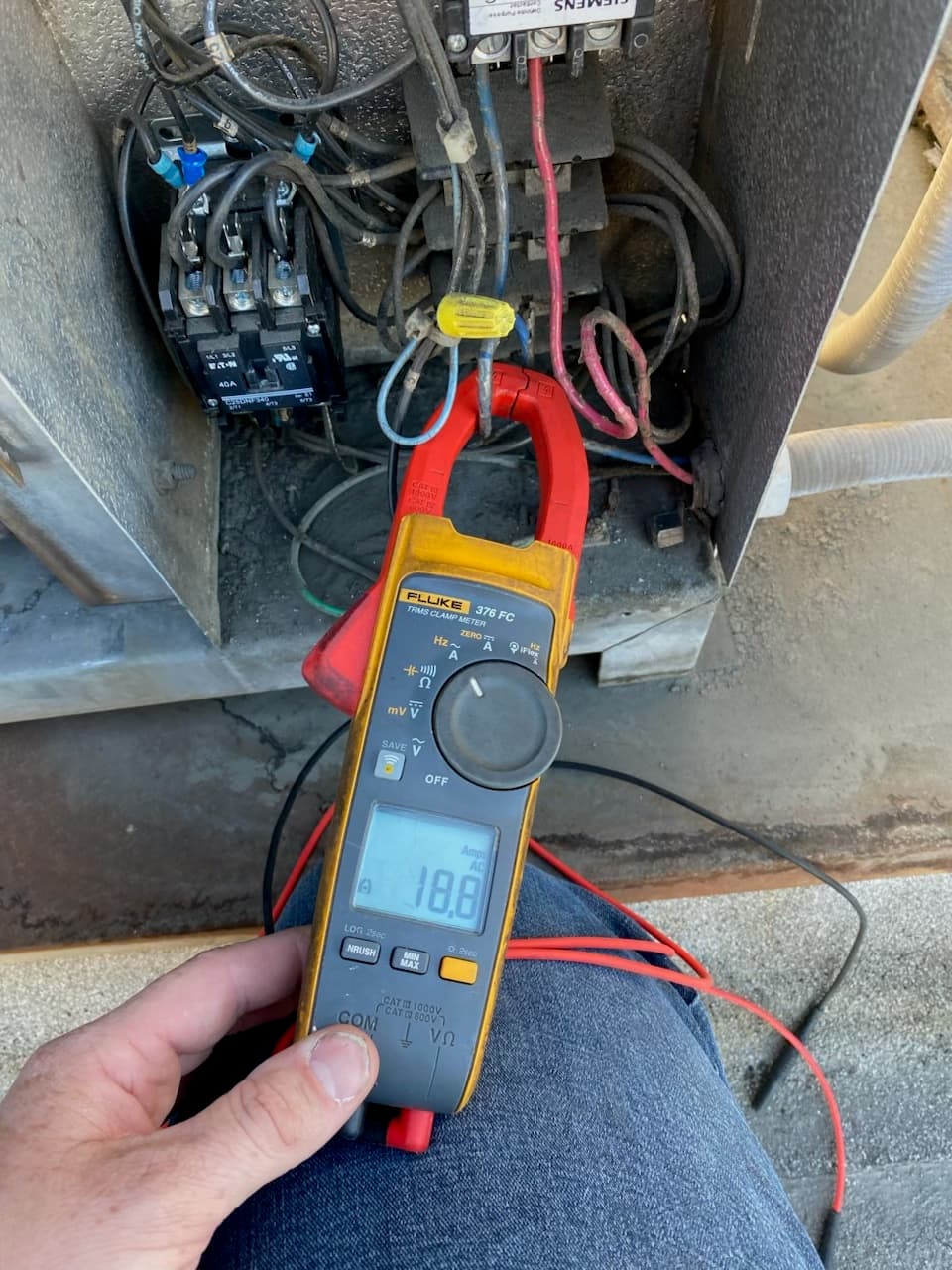
In Riverside the first diagnostic question is usually whether the problem is heat or history. Units that fail in the first heat wave of summer are often carrying a slow loss of capacity from a dirty condenser, a marginal charge, or a failing capacitor that was tolerable in May. We trace the symptom back through airflow, refrigerant side readings, and electrical measurements before recommending a part. That matters in downtown buildings with mixed equipment ages, where replacing the wrong component simply moves the failure to the next weakest link.
A government, university, and healthcare center with historic downtown buildings, Magnolia Avenue retail, and a hot, dry summer that keeps rooftop equipment near its limits for months.
How commercial hvac repair work plays out in Riverside
A typical Riverside repair call starts with a tenant on Mission Inn Avenue or Market Street reporting that the second floor has not held temperature since the first 100-degree stretch. The building is an early twentieth century masonry structure, the rooftop unit was added during a renovation decades later, and the duct that connects them runs through an attic that was never meant to carry conditioned air. Reading the unit alone will not explain the complaint. We measure supply and return at the register, check static pressure across the air handler, and trace where the capacity is actually going before anyone talks about a compressor.
Along the Magnolia Avenue medical corridor and around Riverside Community Hospital and Kaiser Permanente Riverside, the call is different. Exam rooms and imaging suites have narrow tolerances, and a unit that short cycles on a hot afternoon shows up as a patient complaint within minutes. These buildings usually have multiple similar packaged units, so once we find the fault on the unit that failed, we look at the others for the same early signs. In the Hunter Park and Sycamore Canyon business parks, repair often means separating a true equipment problem from a process load or exhaust fan that changed the way the rooftop unit behaves.
Access in Riverside is rarely the obstacle it is in denser coastal cities. Most roofs are reachable by hatch or exterior ladder, parking is available, and downtown restrictions mostly involve event closures around the Mission Inn and the Fox Performing Arts Center. The real constraint is the heat itself. Mid-afternoon rooftop work in July and August has to be planned, and the readings we take at 3 p.m. are the ones that matter, because that is when the equipment is failing. A good outcome is a written cause, a repair that survives the next heat wave, and a portal record the next technician can read.
Riverside's climate and what it does to this equipment
Riverside sits in a basin that traps heat. Summer afternoons routinely climb well past the point where a rooftop condenser is working near its design limit, and nights often fail to cool the building structure enough to give equipment a rest. Smog and fine particulate settle on coils faster than in coastal Orange County, citrus-area dust and pollen add to the load, and wildfire smoke events in the surrounding hills can clog filters in days. Santa Ana conditions in fall bring dry heat and debris. Equipment here needs coil cleaning cadence and refrigerant charge checks built around peak season, not the calendar average.
For the equipment background behind this page, read our root-cause diagnostics guide or the full Commercial Troubleshooting & Repair service page.
- Downtown and Mission Inn areaGovernment buildings, courts, restaurants, and older multi-story commercial properties where mixed equipment generations share one roof or mechanical room.
- UCR and University Avenue corridorCampus-adjacent dining, student-oriented retail, and research and instructional buildings with strict space-temperature expectations.
- Magnolia Avenue medical and retail corridorMedical office buildings, outpatient clinics, and strip retail running along one of the city's busiest commercial arteries.
- Hunter Park and Airport Industrial areasLight industrial, distribution, and manufacturing buildings near the 91 and 60 interchange and the municipal airport, many with rooftop packaged units and walk-in refrigeration.
- Root-cause diagnostics, not guesswork
- Truck-stocked parts for common same-day fixes
- Clear repair options before any work is authorized
- DaVinci Portal included: QR service history, notes, photos
What a commercial hvac repair visit includes, and the problems we most often find
- Call in the issue — what the equipment is doing, and what it's affecting
- Tech arrives with truck-stocked parts for the most common failures on that equipment type
- Root-cause diagnostic with readings taken and logged, not just symptom patching
- Repair options presented with pricing before anything is authorized
- Approved work completed same-visit where parts allow; readings logged to the Portal
- Electrical failures — contactors, capacitors, and control boards
- Refrigerant leaks and low-charge symptoms
- Failed motors, bearings, and belts on fans and blowers
- Clogged condensate drains causing water damage or shutdowns
Commercial HVAC Repair in Riverside: questions we get
Our downtown Riverside building is on the city's historic register. Does that limit what you can do on a repair?
Our unit works fine in the morning and trips out every afternoon in August. Is that a part failure or just the heat?
How fast can you get a tech on site?
Do you charge a diagnostic fee?
Other services in Riverside
Commercial HVAC Repair nearby in Inland Empire (Riverside & San Bernardino Counties)
Commercial HVAC and refrigeration across Inland Empire (Riverside & San Bernardino Counties)