Ice Machine Service in Culver City, CA
Ice is essential in Culver City's bars, restaurants, coffee shops and studio catering operations. Busy evening service in the downtown core and production-day catering produce concentrated demand, and machines in cramped back-of-house spaces often lack ventilation. We clean, descale and sanitize, inspect filtration and drains, and address condenser clearances. Because many of these operations are inspected and some are brand-audited, we keep service records ready, and we schedule work around service windows so machines are never down during a rush.
Studio and creative offices, Downtown Culver City restaurants, converted Hayden Tract buildings and medical offices on the Westside.
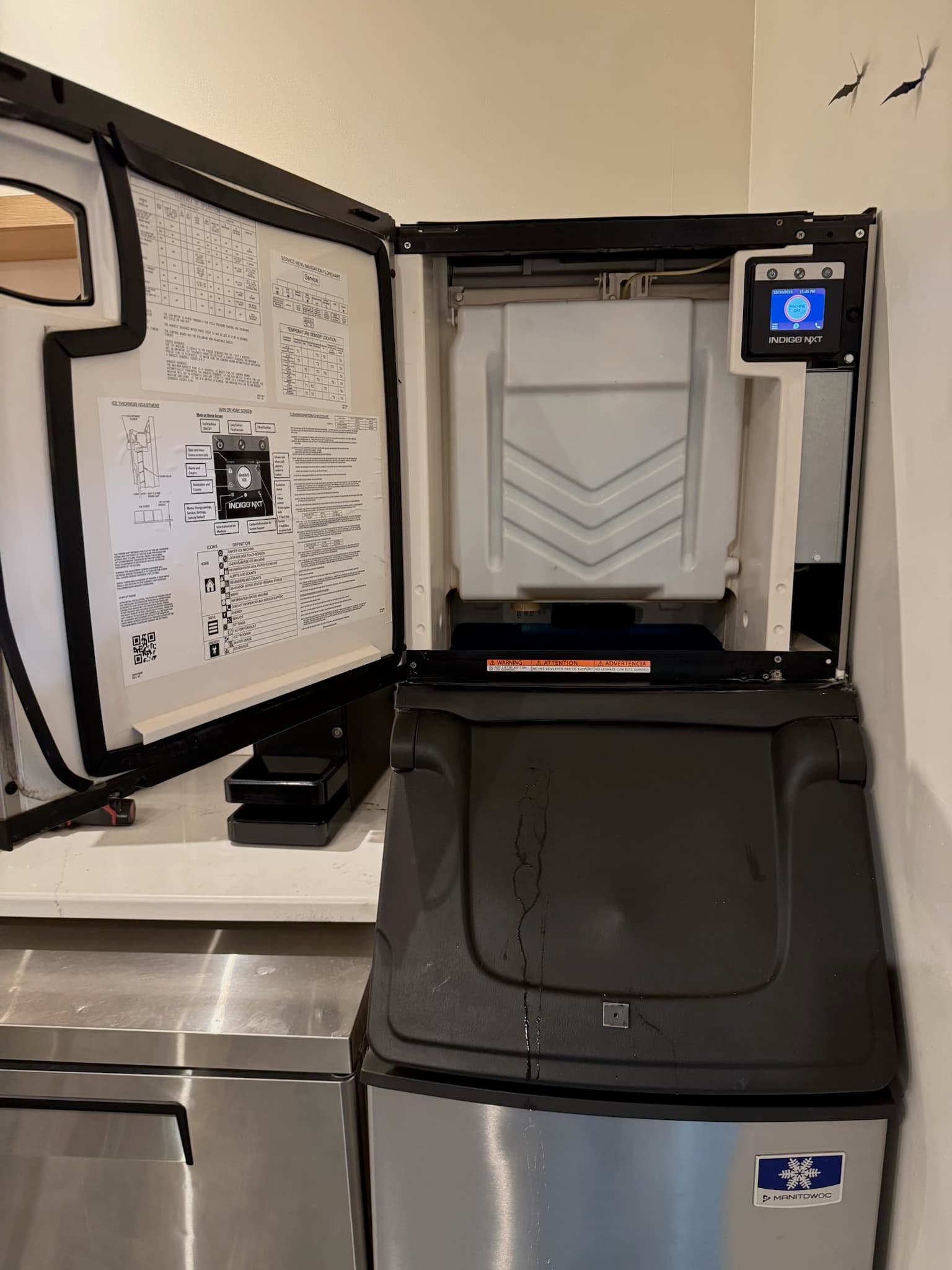
How ice machine service work plays out in Culver City
Evening is when Culver City runs out of ice. The bars and restaurants along Culver Boulevard, Washington Boulevard and Main Street hit their heaviest demand from happy hour through late service, and a machine that has lost production to scale or a hot back room shows it at nine o'clock on a Saturday. Coffee shops in the Helms Bakery District and around Ivy Station have a different peak, with iced drinks driving demand from mid-morning. Studio commissaries and craft-service areas need large volumes on production days and little in between. Medical offices along Sepulveda and Venice need small, clean machines for patient use.
Culver City's back-of-house spaces are small. Machines sit in closets, under stairs or beside dish machines, often with the condenser facing a wall and the room temperature well above rating during service. Westside air is kinder than inland air, but mineral content in the water still builds scale on evaporator plates, and biofilm grows in any machine that is not cleaned on a schedule. We clean and sanitize fully, descale, check filters and drains, and measure the ambient around the condenser during operation. If the room runs hot, a remote condenser or relocation is the honest fix, and we say so.
Many Culver City food and beverage operators are brand-audited or inspected by the county, and studio commissaries have their own standards. We leave a dated service record with photos for each visit in the DaVinci Portal, and we set sanitation intervals based on what we find rather than a default. See the ice machine guide for what good production and sanitation look like.
Culver City's climate and what it does to this equipment
Culver City sits a few miles inland from the coast on the Westside, so the marine layer regularly cools mornings and evenings, and the city sees fewer extreme heat days than the valleys. Afternoons in summer are warm, with a heat wave now and then, and humidity is moderate. That mildness means free cooling is available much of the year, which makes economizer function valuable. Salt is a lesser concern than at the beach, but sea breeze, traffic and nearby freeway particulate still load coils. Equipment runs a long cooling season with moderate peak stress.
For the equipment background behind this page, read our commercial ice machine guide or the full Ice Machines — Service & Sanitation service page.
- Studio campuses (Sony Pictures Studios and the Culver Studios area)Soundstages, edit suites, chilled-water systems and noise-sensitive spaces with strict uptime and acoustic requirements.
- Downtown Culver City (Culver and Washington Boulevards)Restaurants, food halls and boutique retail in older low-rise buildings with tight kitchens and shared roofs.
- Hayden Tract and the Helms Bakery DistrictConverted warehouse and creative-office buildings with exposed systems, unusual roof structures and mixed-generation equipment.
- Sepulveda, Venice and Fox Hills medical and office corridorsMedical offices and mid-rise professional buildings with zoned comfort and after-hours service needs.
- Scale removal, deep sanitation, and filter change-out programs
- Bin sensors, harvest cycles, pumps, and valves checked
- OEM-spec readings taken against manufacturer PM intervals
- DaVinci Portal: photo-logged cleanings and reminder scheduling
What a ice machine service visit includes, and the problems we most often find
- Check ice quality, production rate, and bin sensor operation
- Full descale of water lines and evaporator plate
- Sanitize all food-contact surfaces per manufacturer spec
- Inspect water filtration and replace if due
- Photo-document the cleaning for your compliance records
- Scale buildup from hard water slowing production and clouding ice
- Bin sensors misreading and causing over- or under-production
- Water filters overdue for change, affecting both taste and machine health
- Visible slime or mold in the bin — the most common health-inspection flag