Boiler & Hydronic Service in Anaheim, CA
In Anaheim hospitality, the boiler room is mostly about hot water rather than space heat: guest floors, laundry, pools, and kitchen dish machines all draw from it, often at the same hour. Boilers and storage here need correct sizing, working recirculation, and clean combustion. We look at how checkout-morning demand really behaves, then service burners, controls, and pumps so the last guest in the shower line is not the one who finds out.
Hospitality, convention, and light-industrial mix near the Anaheim Resort and Platinum Triangle — kitchens, walk-ins, and reach-ins run around the clock.
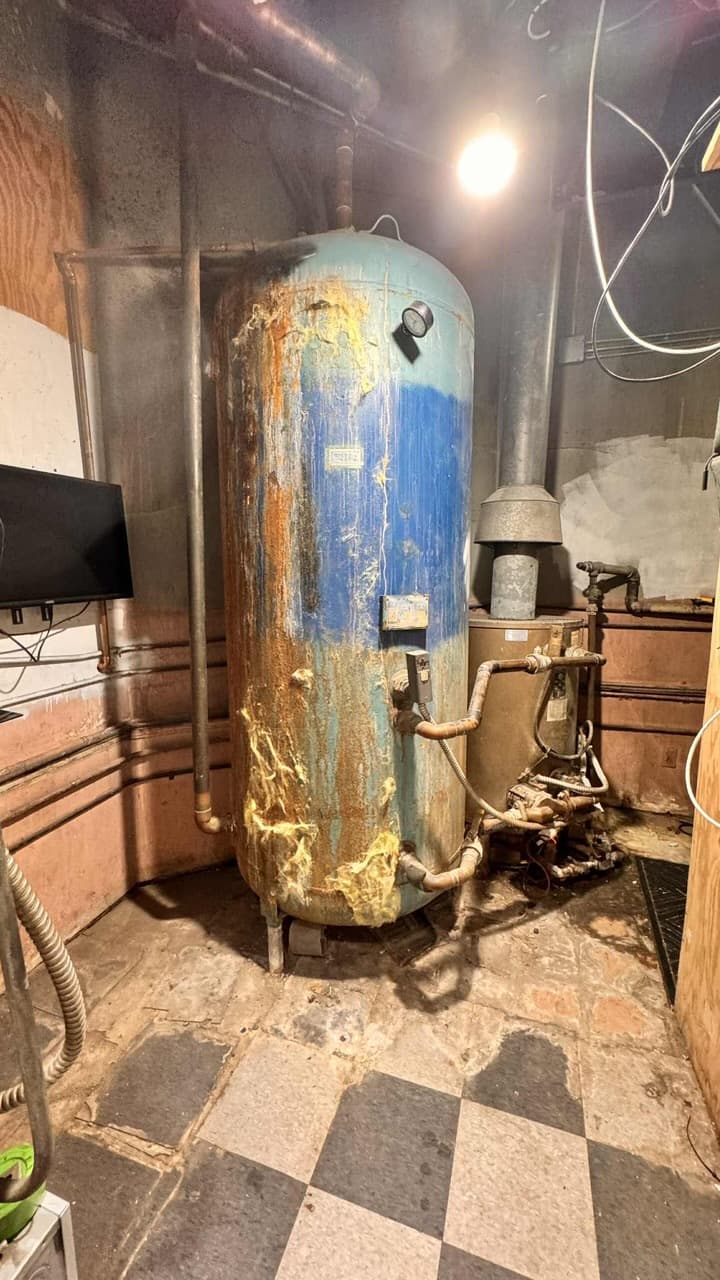
How boiler & hydronic service work plays out in Anaheim
In most of Anaheim's commercial buildings the boiler room is a hot-water room first and a heating room second. Resort hotels, senior living communities, the hospitals, and the larger apartment buildings now rising in the Platinum Triangle run boilers that make domestic hot water for showers, laundry, kitchens, and pools, with space heating as a smaller seasonal load. That changes the maintenance priorities: a boiler that fails in July is as serious as one that fails in January, and recirculation pumps, storage tanks, and mixing valves are as important as burners. Scale from Anaheim's water accumulates in heat exchangers and reduces output quietly until a peak morning exposes it.
Space heating still matters in specific places. Anaheim Canyon manufacturing and warehouse buildings often use gas unit heaters or large rooftop units rather than hydronics, but the offices, schools, and civic buildings use hot-water coils fed by boilers that idle for most of the year and then are asked to carry a cold, damp week in January. Anaheim Hills buildings get colder nights than the flats, and the Santa Ana winds that arrive in fall can bring sharp temperature swings that catch an unprepared boiler plant. The restart failures are familiar: dried pump seals, stuck gas valves, air-bound loops, and reset controls that were disabled during some past summer repair.
Our fall boiler visit covers combustion analysis, gas train and safety checks, pumps and expansion, loop pressure and air separation, and a review of reset and recirculation controls against how the building actually runs. Hospitality and healthcare boilers get that review year-round because their load never stops. Everything goes on the boiler's tag in the DaVinci Portal. Any replacement is specified against the current South Coast AQMD requirements for its size class, which are worth confirming at the time rather than assumed. See senior living HVAC and hot water for the care-facility angle.
Anaheim's climate and what it does to this equipment
Anaheim is inland enough to see real summer heat and enough dust from industrial areas to load coils faster than coastal cities. Condenser head pressure is the recurring theme from July through September.
For the equipment background behind this page, read our water heaters and boilers guide or the full Boilers & Hydronic Heating service page.
- Anaheim Resort districtHotels, restaurants, and attractions with 24/7 refrigeration, hot water, and kitchen make-up air demands.
- Platinum TriangleNewer mixed-use, office, and sports-and-entertainment adjacent buildings.
- Anaheim HillsRetail centers and offices in hotter, drier conditions toward the foothills.
- Industrial corridorsLarge-footprint RTUs, heaters, and temperature-sensitive storage.
- Combustion analysis and tuning with logged results
- Low-water cutoff, relief valve, and flame-safeguard testing
- Condensing and non-condensing boiler service
- Hydronic loop, pump, valve, and expansion-tank diagnostics
What a boiler & hydronic service visit includes, and the problems we most often find
- Review boiler type, age, fuel, and the loads it serves
- Inspect burners, heat exchanger surfaces, venting, and combustion air
- Run combustion analysis and adjust to manufacturer specifications
- Test safeties and controls; check loop pressure, flow, and water quality
- Document results and recommend repairs or replacement timing
- Poor combustion tuning wasting fuel and fouling heat exchangers
- Condensing boilers running with return temperatures too high to condense
- Air in the loop or failing pumps causing cold zones
- Untested safeties on older boilers with no maintenance records