Boiler & Hydronic Service in Costa Mesa, CA
Hotels and larger retail buildings in Costa Mesa use boilers for domestic hot water and light heating rather than long winter runs, so they see short, hard duty cycles. That pattern punishes igniters, pumps, and mixing valves. We test safeties, inspect heat exchangers, and verify recirculation, so hot water arrives on time at the farthest fixture without anyone cranking up the setpoint to compensate. Records of combustion readings, water temperatures, and safety tests stay with the equipment, giving owners a clear picture when budget season arrives.
Retail-heavy with South Coast Plaza and surrounding restaurant rows — ice machines and kitchen refrigeration see hard use.
How boiler & hydronic service work plays out in Costa Mesa
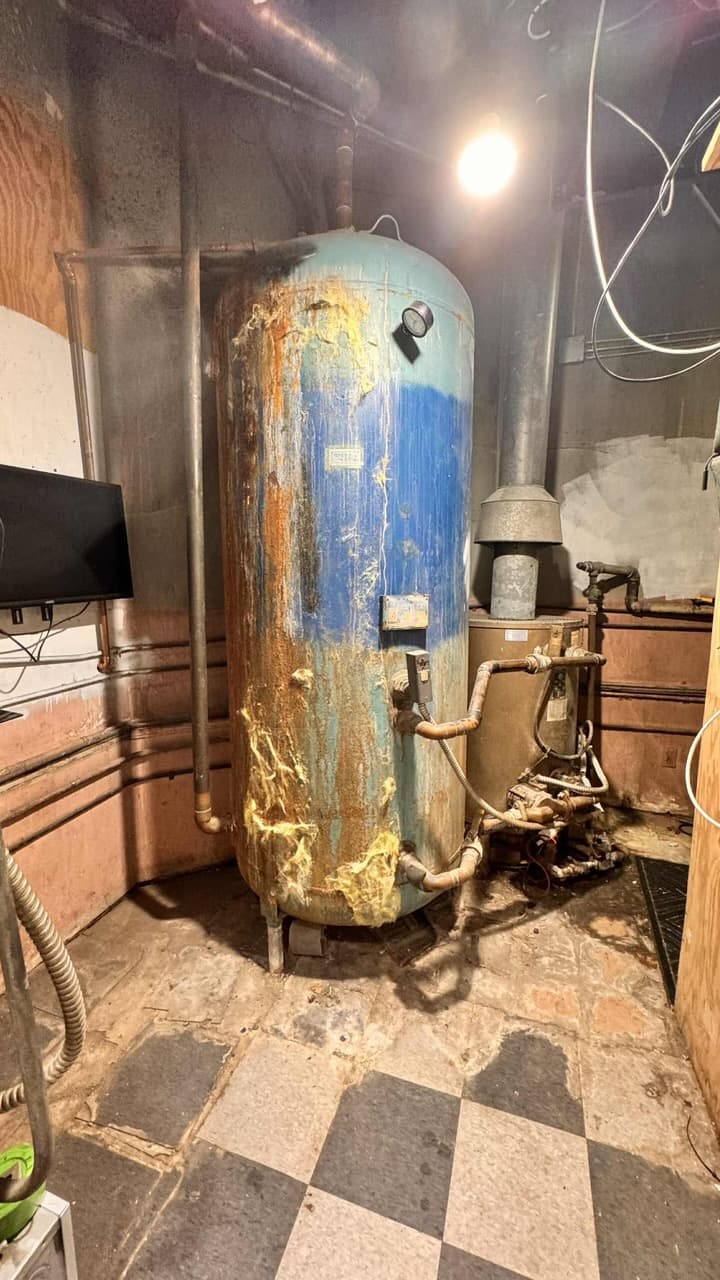
Hydronic heating in Costa Mesa lives where the buildings are large or institutional: the South Coast Metro office towers with four-pipe fan coil or reheat systems, the hotels that use boilers for both space heating and domestic hot water, Orange Coast College and Vanguard University buildings, Newport-Mesa Unified school sites, the performing arts buildings at Segerstrom Center, and the medical offices along Bristol and 17th Street that use hot water reheat for humidity control. The city's mild climate means most of these boilers run light duty for space heating but are kept live year round for reheat, domestic water or pool heating.
Mild winters hide boiler problems. A boiler that only needs to fire for a few hours on the coldest mornings can run with a failing igniter, a marginal gas pressure, or a leaking relief valve for a whole season without anyone noticing, because the building never actually gets cold. Then a renovation adds load, or a hotel fills up during a cool week, and the boiler that was always fine cannot keep up. Salt air also reaches mechanical rooms through louvers and combustion air openings, corroding controls and gas train components faster than inland.
The fall visit covers combustion analysis, safety control and low-water cutoff testing, pump and valve inspection, expansion tank pressure, water chemistry, and a look at venting and combustion air. Replacements usually mean a condensing boiler with venting designed for the building and a sequence that actually captures the efficiency, permitted through the city and confirmed against SCAQMD low-NOx rules. The water heaters and boilers guide covers the fundamentals, and chillers and central plant explains how we handle the rest of a hydronic system.
Costa Mesa's climate and what it does to this equipment
Costa Mesa gets a mild marine influence, with moderate humidity and some salt air toward the south. Coil rinsing and corrosion checks matter, though less than directly on the coast.
For the equipment background behind this page, read our water heaters and boilers guide or the full Boilers & Hydronic Heating service page.
- South Coast Plaza and the TriangleLarge retail, hotel, and restaurant tenants.
- Restaurant rows along Harbor and Newport BoulevardsIndependent and chain restaurants with heavy ice and refrigeration use.
- SoBeCa and the Lab/Camp areasCreative offices and specialty retail in converted buildings.
- Fairview and Placentia industrial areasLight industrial, flex, and warehouse space.
- Combustion analysis and tuning with logged results
- Low-water cutoff, relief valve, and flame-safeguard testing
- Condensing and non-condensing boiler service
- Hydronic loop, pump, valve, and expansion-tank diagnostics
What a boiler & hydronic service visit includes, and the problems we most often find
- Review boiler type, age, fuel, and the loads it serves
- Inspect burners, heat exchanger surfaces, venting, and combustion air
- Run combustion analysis and adjust to manufacturer specifications
- Test safeties and controls; check loop pressure, flow, and water quality
- Document results and recommend repairs or replacement timing
- Poor combustion tuning wasting fuel and fouling heat exchangers
- Condensing boilers running with return temperatures too high to condense
- Air in the loop or failing pumps causing cold zones
- Untested safeties on older boilers with no maintenance records
Boiler & Hydronic Service in Costa Mesa: questions we get
Our Costa Mesa hotel boiler handles pool heating and domestic hot water as well as space heating. Should that be one system?
It can work, but combined systems need careful design and more frequent attention because they never get a rest. We check the heat exchanger between the boiler loop and the pool and domestic water, verify the controls that prioritize domestic hot water, and look at whether the boiler is cycling excessively on light load. Sometimes splitting domestic hot water onto its own equipment improves reliability and efficiency for both.
Our office building's boiler has run fine for years but our new tenant says the space is cold. Is the boiler too small?
Probably the distribution, not the boiler. A tenant improvement that reconfigured a floor often leaves fan coils or reheat valves disconnected, air-bound, or controlled by a thermostat in another suite. We check flow and temperature at the terminals on that floor, balance the loop, and verify the controls before looking at boiler capacity. The boiler itself gets a combustion and safety check at the same visit.
Do commercial boilers need annual service?
Yes. Annual combustion tuning and safety testing is standard practice, and boilers are also subject to jurisdictional inspection requirements that vary by type.
Can you replace a boiler without a long shutdown?
Often, with planning: staged piping, temporary heat where needed, and scheduling around the heating season.
Do you work on steam systems?
We evaluate steam and hot-water systems individually. Send us the equipment details and we will confirm scope.