Maintenance Plans in Anaheim, CA
Preventive maintenance in Anaheim has to be written around the building's calendar, not ours. A resort-district hotel wants heavy work scheduled into slow midweeks, a stadium-adjacent restaurant wants nothing disturbed on game nights, and an industrial landlord just wants every unit touched twice a year without chasing tenants. We build the visit schedule backward from those pressures, tag every unit with a QR record, and report deficiencies in order of consequence. Over a few cycles the readings show which assets are drifting, and replacement conversations become evidence-based instead of reactive.
Hospitality, convention, and light-industrial mix near the Anaheim Resort and Platinum Triangle — kitchens, walk-ins, and reach-ins run around the clock.
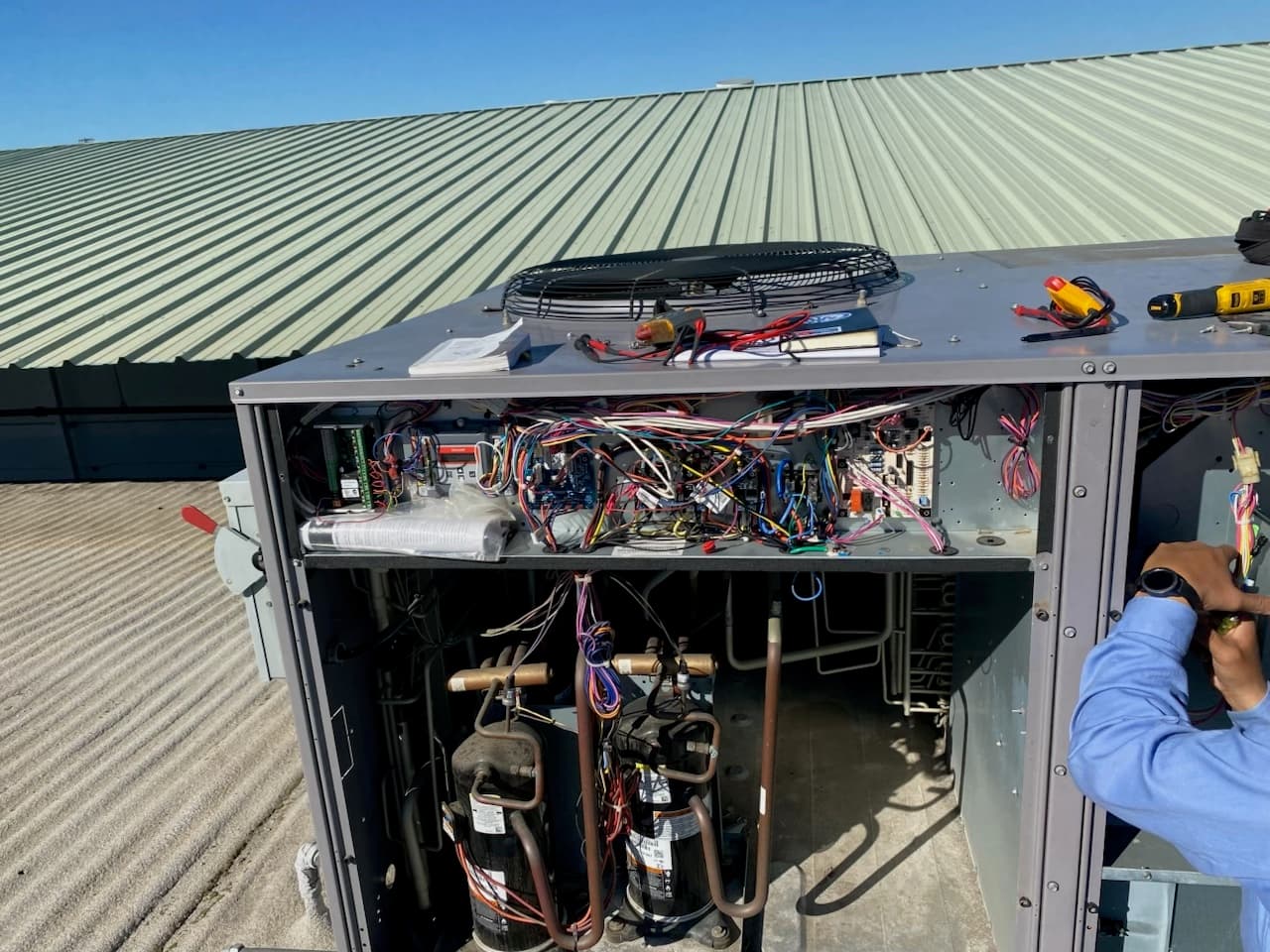
How maintenance plans work plays out in Anaheim
The maintenance calendar in Anaheim is written by the event calendar. Resort hotels fill around school holidays, the convention schedule, and the summer travel peak; the stadium and arena run their seasons; conventions land in blocks. A maintenance program that ignores that rhythm sends technicians onto a hotel roof the morning a twelve-thousand-person convention checks in, or finds every banquet walk-in full when it is time to clean the evaporators. We build Anaheim programs backward from the property's own calendar, with the heavy work in the shoulder weeks and quick verification visits before the big blocks.
The property mix sorts cleanly into tiers. Resort kitchens, banquet operations, concession stands, grocery stores, and the food distributors in Anaheim Canyon need quarterly attention, because grease, heat, and round-the-clock operation age refrigeration and kitchen air equipment at a rate an office never sees. Anaheim Canyon manufacturing and warehouse buildings, Platinum Triangle offices, the medical buildings along La Palma, and the city's larger retail centers suit a bi-annual program keyed to the spring and fall transitions. Small professional offices and light retail in West Anaheim and the Anaheim Hills centers are often well served by an annual inspection. The Hills properties get one extra consideration: Santa Ana wind season loads coils with dust and sometimes ash, so a fall coil check after the first wind event is worth adding.
Every program here produces the same thing: tagged assets, consistent readings visit after visit, and a report the chief engineer, the general manager, and the owner's asset manager can all read. That is what the DaVinci Portal exists to deliver. The Anaheim plans page describes the tiers in detail, and the hotel and hospitality guide covers what a hospitality program should contain.
Anaheim's climate and what it does to this equipment
Anaheim is inland enough to see real summer heat and enough dust from industrial areas to load coils faster than coastal cities. Condenser head pressure is the recurring theme from July through September.
For the equipment background behind this page, read our preventive maintenance program guide or the full Commercial Maintenance Plans service page.
- Anaheim Resort districtHotels, restaurants, and attractions with 24/7 refrigeration, hot water, and kitchen make-up air demands.
- Platinum TriangleNewer mixed-use, office, and sports-and-entertainment adjacent buildings.
- Anaheim HillsRetail centers and offices in hotter, drier conditions toward the foothills.
- Industrial corridorsLarge-footprint RTUs, heaters, and temperature-sensitive storage.
- Free diagnostic on repairs for plan members
- Included labor per tier, with a member rate for anything over
- Photo-logged reports with temps, pressures, and amp draws
- DaVinci Portal included with QR tracking and self-service scheduling
What a maintenance plans visit includes, and the problems we most often find
- Walk every covered asset — RTUs, refrigeration, ice machines, water heaters
- Take and log readings against each unit's history, not a generic checklist
- Flag anything trending toward failure before it becomes a breakdown
- Deliver a photo-logged report after every visit
- Free diagnostic on any repair that comes out of the visit
- Equipment that 'seemed fine' failing without any maintenance history to catch the trend
- Multiple pieces of equipment aging out around the same time with no replacement plan
- Surprise repair costs that a documented PM history would have flagged months earlier
- Multi-location accounts with no consistent record across sites
Maintenance tiers for Anaheim properties
Anaheim hospitality and kitchen accounts typically start on quarterly plans; industrial and office sites on bi-annual.
See Anaheim maintenance plans