Boiler & Hydronic Service in Tustin, CA
Condensing boilers in Tustin's newer mixed-use and medical buildings only deliver their efficiency when return water is cool enough and the controls are tuned. Too often they run hot and never condense. We check return temperatures, outdoor reset curves, and condensate drains, and we service older cast or fire-tube units elsewhere in town on a replacement timeline so they do not all fail in the same winter. Service records and readings are kept together in the DaVinci Portal, so a repair or replacement decision rests on logged history instead of impressions.
Growing office and retail development around the Tustin Legacy and Market Place corridors.
How boiler & hydronic service work plays out in Tustin
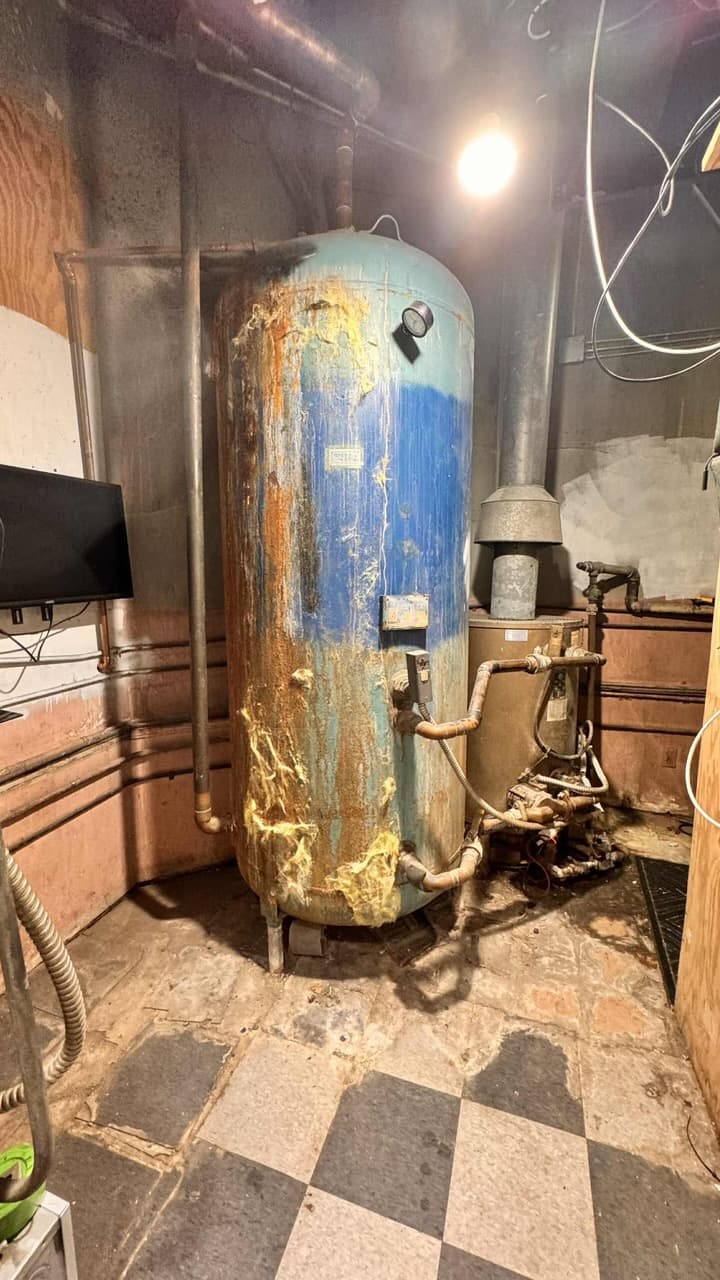
Hydronic heating is uncommon in Tustin's newer construction, where rooftop gas packs and heat pumps handle the short heating season, but it persists in specific buildings: older multi-story offices with four-pipe fan coils, the medical buildings on the Legacy campus and along Red Hill that use hot water for reheat and humidity control, school facilities serving Tustin Unified, and a few larger properties with hydronic hot water for domestic and space heating combined. Where a boiler exists in Tustin, it tends to be the only one in the building and nobody on staff knows much about it.
The short heating season creates its own problem. A boiler that sits idle from April through November and then fires on the first cold morning in December is exactly the boiler that fails to light, trips on low water, or leaks at a pump seal that dried out over the summer. Reheat coils in medical suites, which may run year round for humidity control, keep the system live but expose the pumps and valves to constant cycling.
The fall maintenance visit is where this work pays off: combustion analysis, safety control testing, low-water cutoff verification, pump and valve inspection, expansion tank pressure, and a check of the water chemistry. Replacement in Tustin typically means moving to a condensing boiler with proper venting and a sequence that actually uses its efficiency, permitted through the city and confirmed against SCAQMD low-NOx rules. The water heaters and boilers guide covers the fundamentals, and the commercial repair page explains the diagnostic approach.
Tustin's climate and what it does to this equipment
Tustin is warm central basin with moderate humidity; less coastal influence than Costa Mesa or Newport Beach, so heat and dust matter more than salt.
For the equipment background behind this page, read our water heaters and boilers guide or the full Boilers & Hydronic Heating service page.
- Tustin LegacyNewer retail, restaurant, office, and mixed-use development.
- The Market PlaceLarge retail and restaurant tenants with high refrigeration and RTU loads.
- Old Town Tustin and Newport AvenueOlder small commercial buildings and professional offices.
- Red Hill and Edinger corridorsMedical office, retail, and light-industrial users.
- Combustion analysis and tuning with logged results
- Low-water cutoff, relief valve, and flame-safeguard testing
- Condensing and non-condensing boiler service
- Hydronic loop, pump, valve, and expansion-tank diagnostics
What a boiler & hydronic service visit includes, and the problems we most often find
- Review boiler type, age, fuel, and the loads it serves
- Inspect burners, heat exchanger surfaces, venting, and combustion air
- Run combustion analysis and adjust to manufacturer specifications
- Test safeties and controls; check loop pressure, flow, and water quality
- Document results and recommend repairs or replacement timing
- Poor combustion tuning wasting fuel and fouling heat exchangers
- Condensing boilers running with return temperatures too high to condense
- Air in the loop or failing pumps causing cold zones
- Untested safeties on older boilers with no maintenance records