Boiler & Hydronic Service in Newport Beach, CA
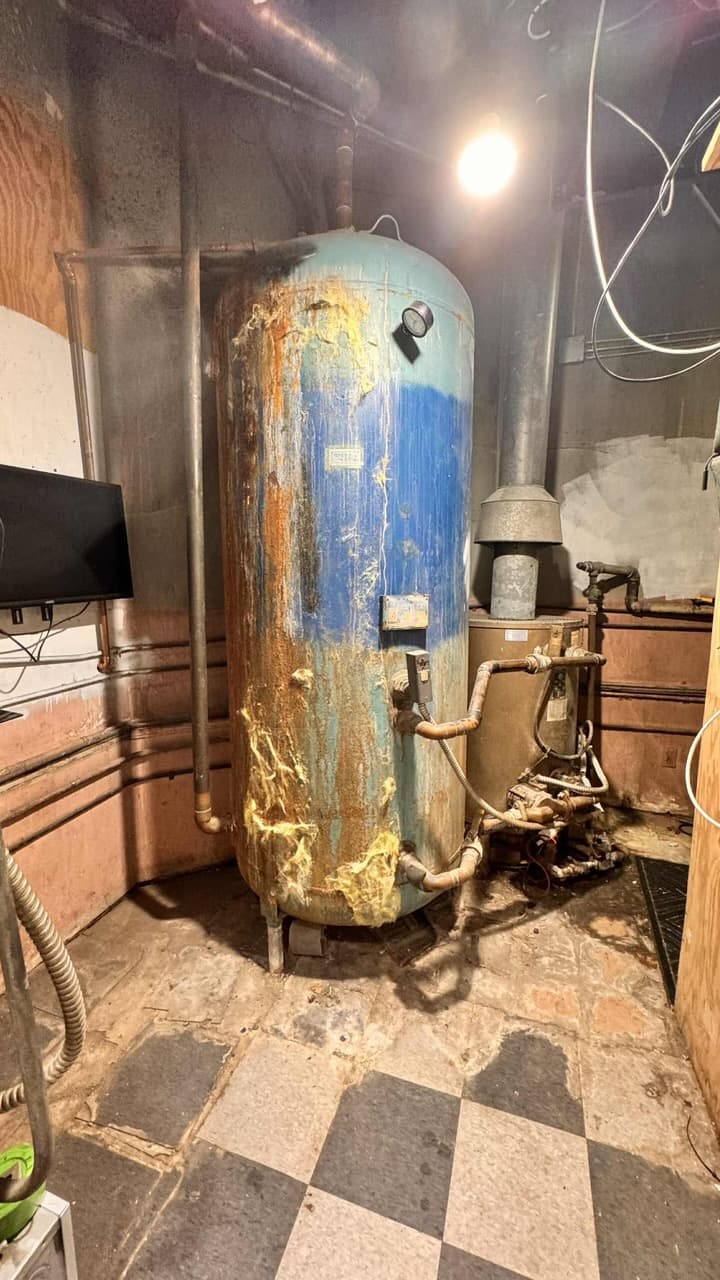
Hospitality and medical properties around Newport Beach need hot water that is dependable and quiet, with no visible service disruption for guests or patients. Coastal air shortens the life of flues, vent caps, and exterior jackets, so we inspect what weather touches as carefully as the boiler itself. Condensate neutralization and combustion air paths get checked, and replacements are planned before corrosion turns into an emergency. We keep photos of the corrosion we find and what was done about it, which makes the case for protective measures easy to put in front of ownership.
Class-A office towers, medical office, and upscale retail/restaurant tenants that expect clean, quiet, documented service.
How boiler & hydronic service work plays out in Newport Beach
Heating load in Newport Beach is light but persistent. The marine layer keeps mornings cool for much of the year, and the office towers, hotels, and medical buildings that have hydronic heating run their boilers more days than an inland owner would expect, just at low fire. Hot water boilers feeding reheat coils and perimeter radiation in Newport Center, domestic-hot-water boilers in the resort corridor, and small hydronic systems in older medical buildings near Hoag are the common configurations. Steam is rare in the city outside institutional settings.
Low-fire operation for long hours has its own failure pattern: condensing in non-condensing boilers, flue corrosion, and burners that are never properly tuned because the system rarely runs hard enough to show a problem. Add salty air to flue terminations and outdoor piping and the maintenance picture is clear. We check combustion with an analyzer, verify low-water cutoffs, relief valves, and expansion tanks, and look at pumps and air separators, because hydronic complaints are often circulation problems rather than boiler problems.
Boiler replacement in Newport Beach follows the same emissions-rule caution as water heaters: equipment categories and timelines change, so we confirm what applies before we specify. Condensing boilers fit most of the city's loads well and tolerate the long, mild heating days better than atmospheric units do. The hot-water and boiler guide walks through the sizing and venting questions owners should ask.
Newport Beach's climate and what it does to this equipment
Newport Beach is directly coastal: marine layer, humidity, and salt. Coated coils and routine rinsing are not optional; they decide whether a rooftop unit lasts 10 years or 18.
For the equipment background behind this page, read our water heaters and boilers guide or the full Boilers & Hydronic Heating service page.
- Newport Center and Fashion IslandHigh-rise office, retail, and dining with building-engineer oversight.
- Airport area (near John Wayne Airport)Mid-rise offices and professional tenants.
- Balboa Peninsula and harbor-frontRestaurants and hospitality in direct salt-air exposure.
- Mariners Mile and Corona del MarRetail, medical, and professional offices near the coast.
- Combustion analysis and tuning with logged results
- Low-water cutoff, relief valve, and flame-safeguard testing
- Condensing and non-condensing boiler service
- Hydronic loop, pump, valve, and expansion-tank diagnostics
What a boiler & hydronic service visit includes, and the problems we most often find
- Review boiler type, age, fuel, and the loads it serves
- Inspect burners, heat exchanger surfaces, venting, and combustion air
- Run combustion analysis and adjust to manufacturer specifications
- Test safeties and controls; check loop pressure, flow, and water quality
- Document results and recommend repairs or replacement timing
- Poor combustion tuning wasting fuel and fouling heat exchangers
- Condensing boilers running with return temperatures too high to condense
- Air in the loop or failing pumps causing cold zones
- Untested safeties on older boilers with no maintenance records