Commercial HVAC Repair in Anaheim, CA
Repair calls in Anaheim fall into two camps. Around the Resort and the Convention Center, a dead fan coil or a tripped kitchen unit has to be restored before the next wave of guests arrives, so we stabilize the function first and sort out the cause second. In the Anaheim Canyon and Orangethorpe industrial blocks, the usual story is a large rooftop heating and cooling package that has lost capacity quietly over several summers. Either way, the written finding names the failed part, the condition that killed it, the readings taken before and after, and what to watch next, filed against that unit's record in the DaVinci Portal.
Hospitality, convention, and light-industrial mix near the Anaheim Resort and Platinum Triangle — kitchens, walk-ins, and reach-ins run around the clock.
How commercial hvac repair work plays out in Anaheim
A hotel on Harbor Boulevard loses cooling to a guest wing at four on a Friday in July, with a sold-out weekend ahead and a convention letting out across the street. That is the Anaheim repair call in its purest form, and it sets the standard for everything else: restore the function first, find the actual cause second, and never leave with a fix that will fail during the same event week. Resort-district buildings have the advantage of on-site engineering staff who know their plant, and the disadvantage that they rarely get a quiet hour. We coordinate through the chief engineer, work the back-of-house routes guests never see, and keep carts and noise out of the lobby during check-in.
Away from the resort the calls look different. Anaheim Canyon's industrial buildings along La Palma Avenue and Kraemer Boulevard run large rooftop units and unit heaters over production floors where a cooling loss means a shift sent home, and the equipment has often been maintained only when it broke. The Platinum Triangle's newer offices and apartments bring controls and VRF faults. West Anaheim's older strip centers on Beach Boulevard and Lincoln Avenue bring 25-year-old package units with swapped parts and no history, serving small restaurants and clinics that cannot afford a second visit. Dust from the industrial corridors and the Santa Ana River channel loads condenser coils faster than in cities nearer the coast, and high head pressure is behind a large share of summer compressor failures here.
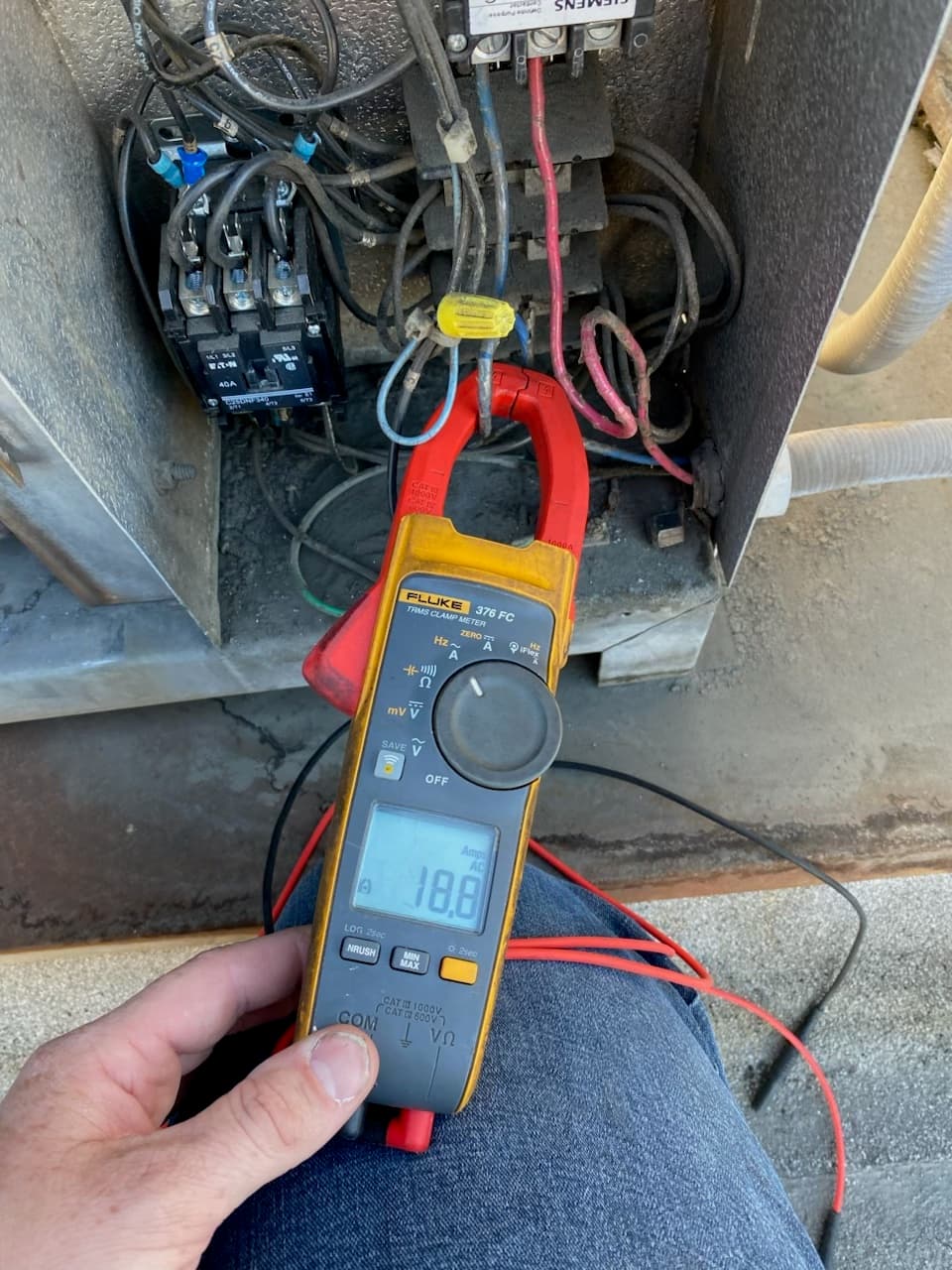
The root cause is the deliverable. A compressor that failed because of a dirty condenser, a weak contactor, and a low airflow condition will fail again if only the compressor is replaced. We record the readings that explain the failure, photograph the evidence, and leave the report in the DaVinci Portal so the hotel engineer or the strip center owner has it next time. When another contractor's diagnosis does not sit right, the second-opinion diagnostic exists for that.
Anaheim's climate and what it does to this equipment
Anaheim is inland enough to see real summer heat and enough dust from industrial areas to load coils faster than coastal cities. Condenser head pressure is the recurring theme from July through September.
For the equipment background behind this page, read our root-cause diagnostics guide or the full Commercial Troubleshooting & Repair service page.
- Anaheim Resort districtHotels, restaurants, and attractions with 24/7 refrigeration, hot water, and kitchen make-up air demands.
- Platinum TriangleNewer mixed-use, office, and sports-and-entertainment adjacent buildings.
- Anaheim HillsRetail centers and offices in hotter, drier conditions toward the foothills.
- Industrial corridorsLarge-footprint RTUs, heaters, and temperature-sensitive storage.
- Root-cause diagnostics, not guesswork
- Truck-stocked parts for common same-day fixes
- Clear repair options before any work is authorized
- DaVinci Portal included: QR service history, notes, photos
What a commercial hvac repair visit includes, and the problems we most often find
- Call in the issue — what the equipment is doing, and what it's affecting
- Tech arrives with truck-stocked parts for the most common failures on that equipment type
- Root-cause diagnostic with readings taken and logged, not just symptom patching
- Repair options presented with pricing before anything is authorized
- Approved work completed same-visit where parts allow; readings logged to the Portal
- Electrical failures — contactors, capacitors, and control boards
- Refrigerant leaks and low-charge symptoms
- Failed motors, bearings, and belts on fans and blowers
- Clogged condensate drains causing water damage or shutdowns