Boiler & Hydronic Service in Lake Forest, CA
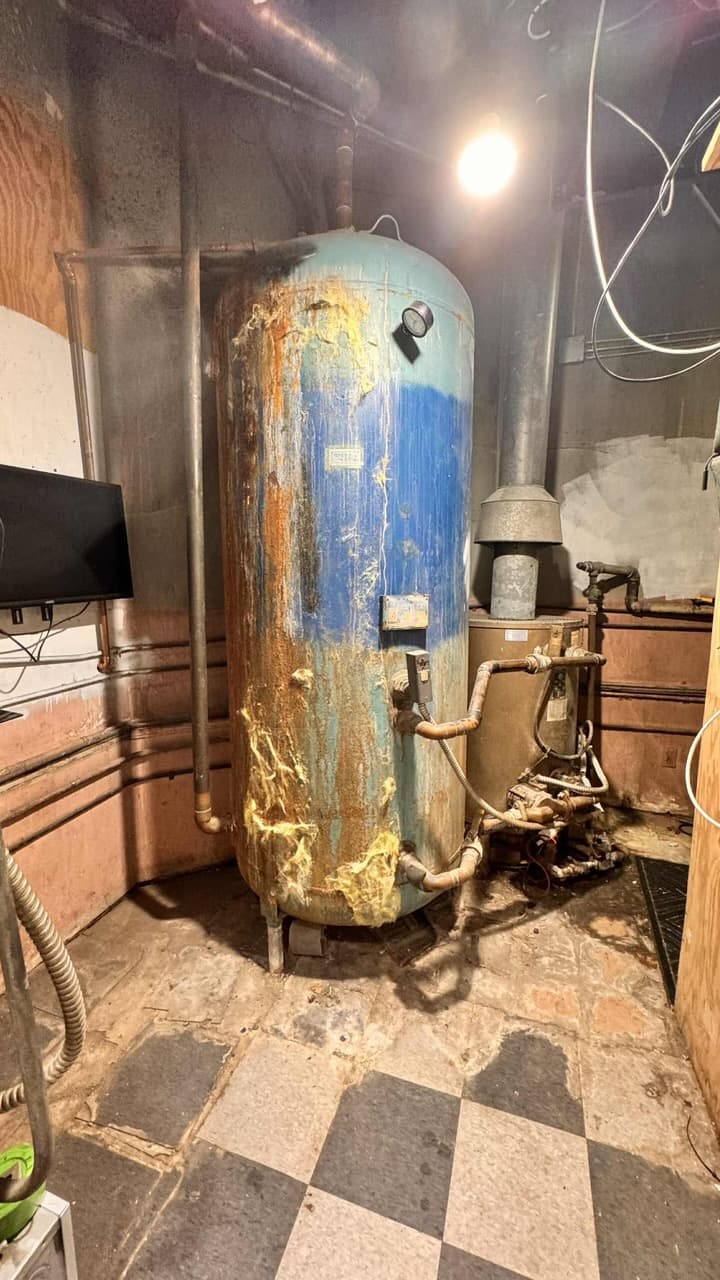
Lake Forest's flex and office buildings seldom lean on hydronic heat, so boilers here are usually small, serving a medical suite, a showroom, or a process loop. Because they run so rarely, problems hide until the first cold week. We fire them off-season, check safeties and pumps, and tell owners plainly whether a small unit is worth repairing or replacing with something that suits the actual load. We record firing rates, water temperatures, and safety tests on each visit, so a gradual decline shows up in the numbers well before it becomes a no-heat call.
Business parks and light-industrial/flex space along the El Toro corridor.
How boiler & hydronic service work plays out in Lake Forest
Hydronic heating is uncommon in Lake Forest's commercial stock. Rooftop units with gas heat sections handle most of the office, flex, and retail space, and the mild winters mean a heating failure is an annoyance rather than an emergency for most tenants. Boilers show up in a specific set of properties: larger office buildings and campuses with reheat or perimeter heating, schools and institutional buildings, fitness and aquatic facilities with pool heating, and some medical and lab tenants. Domestic hot water boilers serve a few of the larger hospitality and athletic properties.
Where boilers exist here, they run short seasons at low load, which is its own maintenance challenge. Equipment that sits idle through a long warm season and then is asked to perform on the first cold morning in November tends to reveal failed igniters, stuck valves, air-bound loops, and dead pumps all at once. Dust that settled on burners and in combustion air paths during the Santa Ana season adds to the list. A fall startup visit that fires the boiler, checks combustion with an analyzer, verifies safeties, and bleeds and balances the loop prevents most of the first-cold-day calls.
Replacement decisions follow the same emissions caution as water heaters. Air district rules for boilers depend on input size and are subject to change, so we confirm current requirements before specifying. Condensing boilers fit the low-load, long-off-season pattern well. For school and public owners, boiler replacement usually runs through formal procurement; the public agency procurement guide describes what to expect.
Lake Forest's climate and what it does to this equipment
Lake Forest is inland south county: warm and drier than the coast, with notable afternoon heat and some exposure to wildfire smoke and Santa Ana winds.
For the equipment background behind this page, read our water heaters and boilers guide or the full Boilers & Hydronic Heating service page.
- El Toro Road corridorRetail, restaurants, and medical office.
- Business parks near Bake and Rancho ParkwayMulti-tenant office and flex with many identical RTUs.
- Foothill RanchRetail centers and light industrial.
- Lake Forest Drive areaOffices and professional services.
- Combustion analysis and tuning with logged results
- Low-water cutoff, relief valve, and flame-safeguard testing
- Condensing and non-condensing boiler service
- Hydronic loop, pump, valve, and expansion-tank diagnostics
What a boiler & hydronic service visit includes, and the problems we most often find
- Review boiler type, age, fuel, and the loads it serves
- Inspect burners, heat exchanger surfaces, venting, and combustion air
- Run combustion analysis and adjust to manufacturer specifications
- Test safeties and controls; check loop pressure, flow, and water quality
- Document results and recommend repairs or replacement timing
- Poor combustion tuning wasting fuel and fouling heat exchangers
- Condensing boilers running with return temperatures too high to condense
- Air in the loop or failing pumps causing cold zones
- Untested safeties on older boilers with no maintenance records