Kitchen Ventilation & Make-Up Air in San Diego, CA
Downtown San Diego kitchens frequently sit inside mixed-use buildings where exhaust paths are long and make-up air has to be conditioned without overloading the dining room. When balance is off, the symptoms are doors that slam, a dining room that never cools, and kitchens that run hot. We verify fan performance, make-up air operation and interlocks, then rebalance so the space works. Hood and duct cleaning is a separate trade and not part of our scope.
A large, varied commercial market spanning downtown and Gaslamp hospitality, Kearny Mesa and Mira Mesa industrial space, Sorrento Valley life-science buildings, and the marine-industrial waterfront around the Port and Barrio Logan.
How kitchen ventilation & make-up air work plays out in San Diego
The symptom is almost always the same: the front door of a Gaslamp restaurant is hard to pull open, the dining room never gets cool, and the cooks are working in a space that feels like a sauna by nine. The cause is a kitchen exhaust system pulling more air out of the building than anything is bringing in. Downtown kitchens sit inside mixed-use and historic buildings where exhaust ducts run long vertical paths, make-up air was either never installed or was disconnected during a remodel, and the dining room rooftop unit ends up trying to feed the hood through the gap under the front door.
Outside downtown the pattern changes with the building type. Convoy Street restaurants in older strip centers share roofs with neighboring tenants, so one kitchen's exhaust can pull conditioned air through demising walls from the shop next door. Hotel banquet kitchens near the Convention Center and in Mission Valley run exhaust at full tilt during events and barely at all between them, which exposes interlocks and variable-speed controls that were never commissioned. Liberty Station and Little Italy restaurants in converted buildings often have exhaust fans sized for a previous concept.
Our work is airflow, balance and the equipment that provides it: measuring exhaust and make-up air, verifying interlocks, repairing or replacing exhaust fans and make-up air units, and bringing the kitchen and dining room into a balance that holds. Where a make-up air unit has to be added on a podium roof, the structural, permit and crane questions are the same ones that apply to any rooftop equipment downtown. Hood and duct cleaning is a separate trade and we do not perform it, though a cleaning report often tells us something useful about airflow. The restaurants industry page covers how this fits with refrigeration and ice in a full-service kitchen.
San Diego's climate and what it does to this equipment
San Diego's climate is mild on paper and punishing in the details. Near the bay and the coast, the marine layer brings persistent humidity and salt-laden air that attacks coil fins, fan housings, electrical enclosures and rooftop cabinet seams, so condenser coils on waterfront roofs fail earlier than the same models inland. Mesas such as Kearny Mesa and Mira Mesa sit a little warmer and drier. Late-summer and early-fall heat events, along with the occasional Santa Ana wind period, push cooling equipment hard just when many owners assume the season is over.
For the equipment background behind this page, read our kitchen ventilation and make-up air guide or the full Kitchen Ventilation & Make-Up Air service page.
- Downtown and Gaslamp QuarterRestaurants, bars, hotels and mixed-use towers with rooftop equipment, shared riser systems, and kitchens that run late and hard through weekends and convention weeks.
- Kearny Mesa and Mira MesaA dense grid of flex-industrial, office and light manufacturing buildings along the Convoy, Ruffin and Miramar corridors, with large inventories of aging rooftop units.
- Sorrento Valley and Torrey Pines MesaLife-science and technology buildings where lab exhaust, tight temperature bands and documented control sequences matter as much as raw capacity.
- Port, Barrio Logan and the bayfrontMarine-industrial shops, cold storage, food distribution and support facilities exposed to salt air, with equipment that corrodes faster than anywhere inland.
- Make-up air unit service, repair, and replacement
- Exhaust fan belts, motors, and airflow verification
- Kitchen-to-dining pressure balance so doors and hoods behave
- Documented readings, not guesses, on airflow and temperature
What a kitchen ventilation & make-up air visit includes, and the problems we most often find
- Walk the kitchen during or near service to see what the building actually does
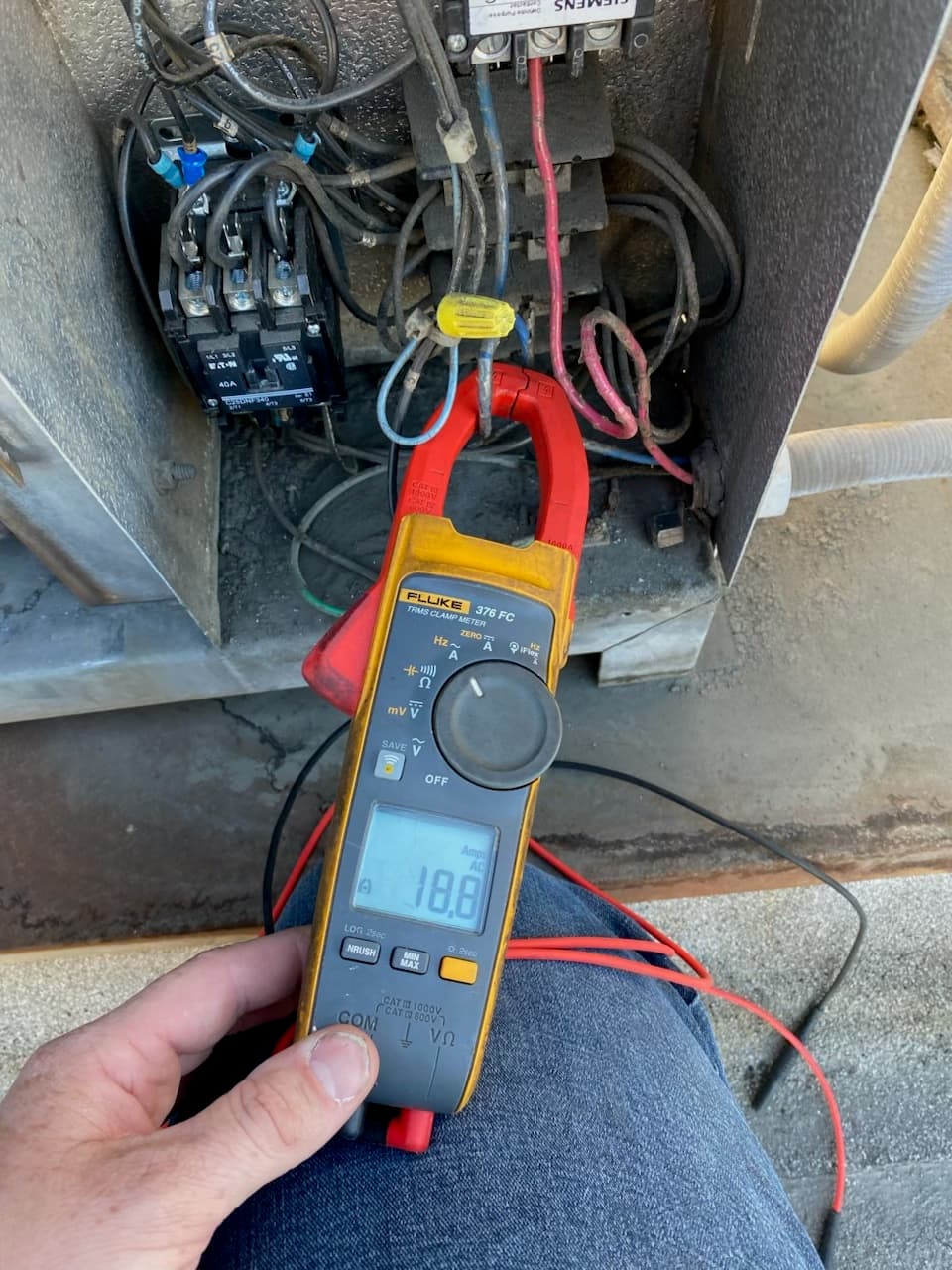
- Measure exhaust and make-up airflow, temperatures, and building pressure
- Inspect fans, belts, motors, dampers, burners, and controls
- Repair or adjust, then re-measure to confirm the balance
- Document results and flag items for the hood-cleaning and fire-protection vendors to handle
- Make-up air that is undersized or off, pulling conditioned air from the dining room
- Exhaust fan belts and bearings worn, cutting airflow below what the hood needs
- Kitchens running negative, causing hard-to-open doors, drafts, and burner issues
- Make-up air units with failed burners or controls during cold or hot weather