Boiler & Hydronic Service in San Diego, CA
Heating loads in San Diego are small compared with colder markets, but they are real, and they tend to be critical where they exist: hospital reheat, laboratory humidity control, hotel domestic hot water support and some older downtown buildings with hydronic loops. Because boilers run fewer hours here, issues often show up at the first cold snap after a long idle period. We inspect, service and replace hydronic equipment, with combustion and safety checks documented in advance of the colder months.
A large, varied commercial market spanning downtown and Gaslamp hospitality, Kearny Mesa and Mira Mesa industrial space, Sorrento Valley life-science buildings, and the marine-industrial waterfront around the Port and Barrio Logan.
How boiler & hydronic service work plays out in San Diego
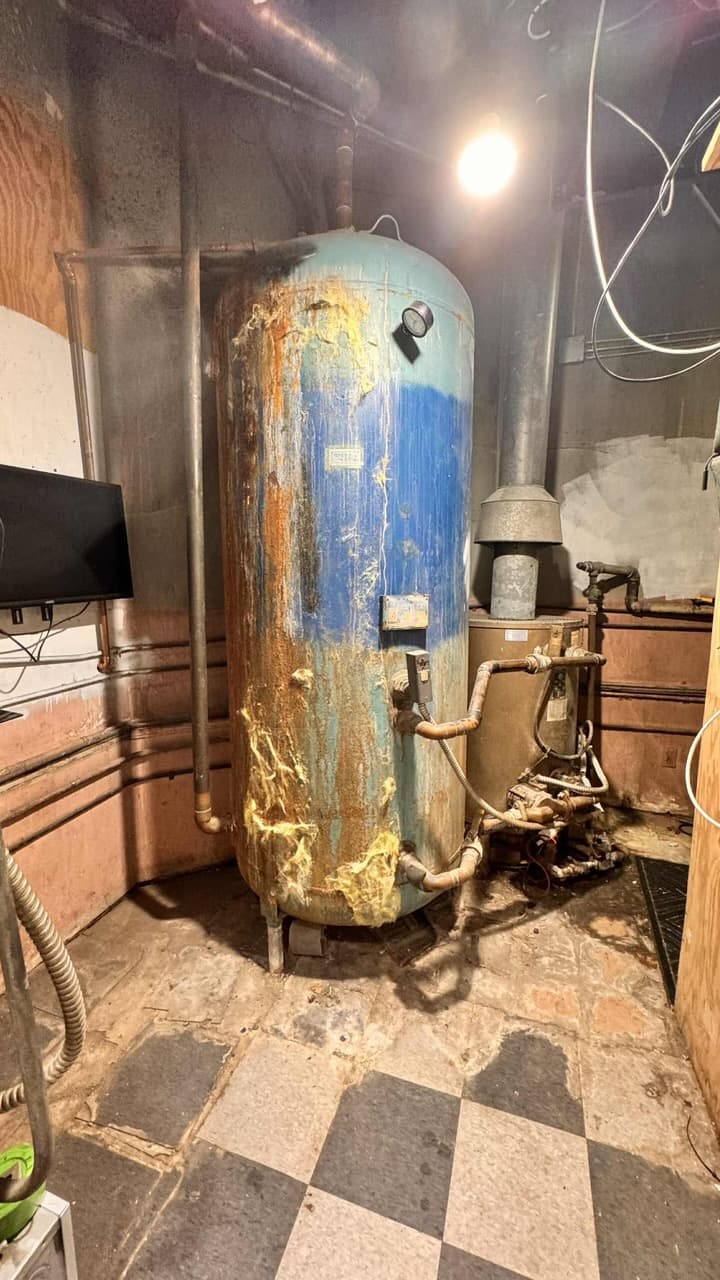
The first cold snap of December is when San Diego boilers get discovered. A hydronic loop in an older downtown or Hillcrest building sits idle from April to November, and the morning a tenant finally turns on heat is the morning a pilot assembly, an ignition module or a seized circulator fails. Because the heating season is short and mild, deferred maintenance here accumulates quietly, and a boiler that has not had a combustion check in several years can be well out of tune without anyone noticing a comfort problem.
Where boilers are critical in San Diego, they are very critical. Hospitals and medical campuses depend on hydronic reheat for pressure relationships and temperature control in patient areas. Laboratories in Sorrento Valley and on the Torrey Pines mesa use reheat for humidity and tight temperature bands. Hotels and resort properties use boilers to back up domestic hot water through morning peaks. Pools at hotels and fitness properties have their own heaters. None of these can wait for a convenient repair window, so the pre-season inspection, combustion analysis and safety verification have to happen in October and November, not after the first complaint.
Replacement work involves gas sizing, venting through occupied floors, seismic restraint and a City permit, and boilers above certain sizes may fall under San Diego County Air Pollution Control District rules for emissions and registration, so we confirm current requirements before specifying equipment. In coastal buildings, flue terminations and exterior piping corrode faster and get inspected on that basis. Every boiler and its loop components are tagged and recorded in the DaVinci Portal with combustion readings, safety test results and the date of the next service, which is exactly the kind of record a facility auditor asks for.
San Diego's climate and what it does to this equipment
San Diego's climate is mild on paper and punishing in the details. Near the bay and the coast, the marine layer brings persistent humidity and salt-laden air that attacks coil fins, fan housings, electrical enclosures and rooftop cabinet seams, so condenser coils on waterfront roofs fail earlier than the same models inland. Mesas such as Kearny Mesa and Mira Mesa sit a little warmer and drier. Late-summer and early-fall heat events, along with the occasional Santa Ana wind period, push cooling equipment hard just when many owners assume the season is over.
For the equipment background behind this page, read our water heaters and boilers guide or the full Boilers & Hydronic Heating service page.
- Downtown and Gaslamp QuarterRestaurants, bars, hotels and mixed-use towers with rooftop equipment, shared riser systems, and kitchens that run late and hard through weekends and convention weeks.
- Kearny Mesa and Mira MesaA dense grid of flex-industrial, office and light manufacturing buildings along the Convoy, Ruffin and Miramar corridors, with large inventories of aging rooftop units.
- Sorrento Valley and Torrey Pines MesaLife-science and technology buildings where lab exhaust, tight temperature bands and documented control sequences matter as much as raw capacity.
- Port, Barrio Logan and the bayfrontMarine-industrial shops, cold storage, food distribution and support facilities exposed to salt air, with equipment that corrodes faster than anywhere inland.
- Combustion analysis and tuning with logged results
- Low-water cutoff, relief valve, and flame-safeguard testing
- Condensing and non-condensing boiler service
- Hydronic loop, pump, valve, and expansion-tank diagnostics
What a boiler & hydronic service visit includes, and the problems we most often find
- Review boiler type, age, fuel, and the loads it serves
- Inspect burners, heat exchanger surfaces, venting, and combustion air
- Run combustion analysis and adjust to manufacturer specifications
- Test safeties and controls; check loop pressure, flow, and water quality
- Document results and recommend repairs or replacement timing
- Poor combustion tuning wasting fuel and fouling heat exchangers
- Condensing boilers running with return temperatures too high to condense
- Air in the loop or failing pumps causing cold zones
- Untested safeties on older boilers with no maintenance records