VRF & Split System Service in San Diego, CA
Few markets suit VRF and ductless systems as naturally as San Diego does. Downtown renovations, restaurant tenant improvements and small medical or professional suites often cannot take full ductwork, and the moderate climate suits heat-pump based zoning. Near the coast, outdoor condensers need protection from salt exposure, and refrigerant piping runs must be planned carefully on podium roofs and in older structures. We design, install and service VRF and commercial splits with commissioning records kept in the DaVinci Portal.
A large, varied commercial market spanning downtown and Gaslamp hospitality, Kearny Mesa and Mira Mesa industrial space, Sorrento Valley life-science buildings, and the marine-industrial waterfront around the Port and Barrio Logan.
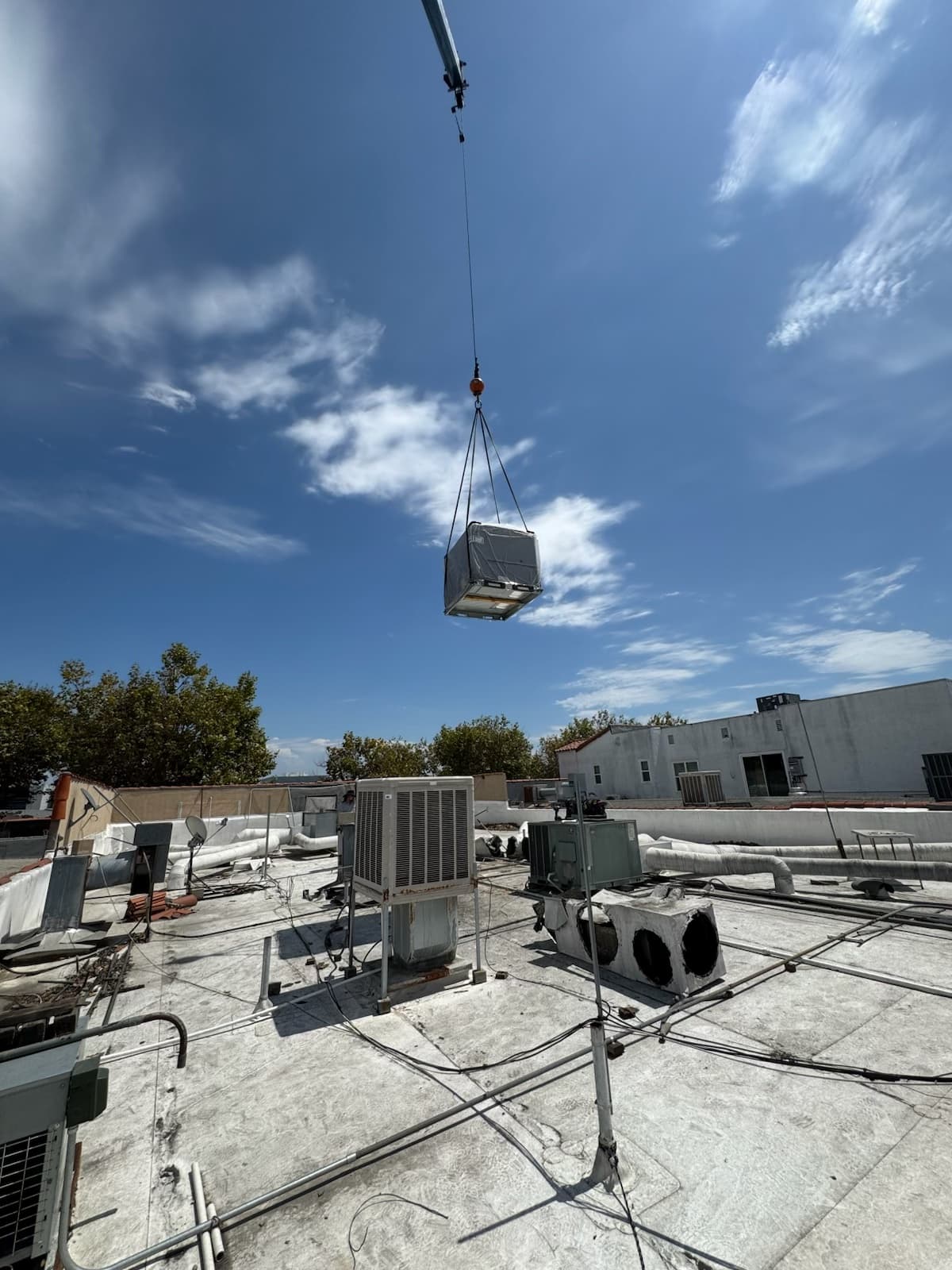
How vrf & split system service work plays out in San Diego
Walk the upper floors of a converted warehouse in East Village or a mixed-use building in Little Italy and the case for VRF and ductless systems makes itself. Ceilings are exposed, floor plates are irregular, the roof already carries kitchen exhaust and the landlord does not want new duct chases cut through a century-old structure. Professional suites, small medical offices, salons and restaurant mezzanines across downtown and Hillcrest get zoned, quiet comfort from refrigerant-based systems that a rooftop unit and ductwork could never deliver in the same space.
Outside the core, the fit is different but just as common. Kearny Mesa office suites carved out of industrial buildings, Convoy Street restaurants adding a private dining room, Pacific Beach and Mission Beach commercial properties with no roof access worth the name, and Mission Valley tenant improvements that need zoning without disturbing the base-building system all lean on ductless and VRF equipment. The city's moderate climate suits heat-pump based systems well, and the heating side covers the few cold mornings without a separate furnace.
Design matters more than the equipment. Outdoor units near the bay and the coast need placement and finish choices for salt exposure, and condenser locations on podium roofs or in alley enclosures must have real airflow rather than a spot that was simply available. Refrigerant piping runs in older buildings require careful routing, proper sizing and a leak test that is documented, and larger systems may trigger refrigerant management requirements under state rules, which the refrigerant compliance guide explains. We commission each zone, record settings and piping details in the DaVinci Portal, and leave the owner with a system that can be serviced by anyone who scans the tag.
San Diego's climate and what it does to this equipment
San Diego's climate is mild on paper and punishing in the details. Near the bay and the coast, the marine layer brings persistent humidity and salt-laden air that attacks coil fins, fan housings, electrical enclosures and rooftop cabinet seams, so condenser coils on waterfront roofs fail earlier than the same models inland. Mesas such as Kearny Mesa and Mira Mesa sit a little warmer and drier. Late-summer and early-fall heat events, along with the occasional Santa Ana wind period, push cooling equipment hard just when many owners assume the season is over.
For the equipment background behind this page, read our VRF vs. RTU vs. split systems guide or the full VRF & Commercial Split Systems service page.
- Downtown and Gaslamp QuarterRestaurants, bars, hotels and mixed-use towers with rooftop equipment, shared riser systems, and kitchens that run late and hard through weekends and convention weeks.
- Kearny Mesa and Mira MesaA dense grid of flex-industrial, office and light manufacturing buildings along the Convoy, Ruffin and Miramar corridors, with large inventories of aging rooftop units.
- Sorrento Valley and Torrey Pines MesaLife-science and technology buildings where lab exhaust, tight temperature bands and documented control sequences matter as much as raw capacity.
- Port, Barrio Logan and the bayfrontMarine-industrial shops, cold storage, food distribution and support facilities exposed to salt air, with equipment that corrodes faster than anywhere inland.
- VRF and multi-split service with refrigerant circuit diagnostics
- Ductless mini-split installation for server rooms, tenant spaces, and additions
- Controller, communication, and zoning troubleshooting
- Documented startup and commissioning
What a vrf & split system service visit includes, and the problems we most often find
- Review the system layout: outdoor units, branch controllers, and indoor units
- Read refrigerant-circuit data and communication status
- Inspect drains, filters, coils, and line sets
- Correct the fault and re-verify operation across zones
- Document the system layout and readings by unit
- Communication faults between indoor units, branch boxes, and outdoor units
- Condensate pumps and drains failing in ceiling cassettes
- Refrigerant leaks in long line sets and field joints
- Zones fighting each other because of control setup