Commercial HVAC Repair in San Diego, CA
San Diego service calls tend to split by geography. Downtown hospitality and restaurant clients need fast, careful diagnosis because a dead walk-in or a failed make-up air unit on a Friday affects revenue immediately, while Kearny Mesa and Sorrento Valley buildings more often present intermittent comfort or control faults that parts-swapping never solves. We trace the fault back to its cause, whether that is a failed sensor, a refrigerant circuit issue or a controls sequence, and document what we found so the same call does not repeat in a month.
A large, varied commercial market spanning downtown and Gaslamp hospitality, Kearny Mesa and Mira Mesa industrial space, Sorrento Valley life-science buildings, and the marine-industrial waterfront around the Port and Barrio Logan.
How commercial hvac repair work plays out in San Diego
Picture a Thursday in East Village during a convention week. A hotel kitchen two blocks from the Convention Center reports that the line is running hot and the reach-ins are creeping toward the limit. The building is a mid-rise with equipment on a podium roof reached through a locked stair and a freight elevator the housekeeping staff also need. A repair call here is as much about sequencing as it is about refrigerant: we need to know the loading dock hours, who holds the roof key, and whether the general manager wants the finding before the fix. That is a normal San Diego downtown call, and we plan for it rather than being surprised by it.
Kearny Mesa and Mira Mesa present a different shape of problem. Flex-industrial buildings along Convoy Street, Ruffin Road and Miramar Road often have a dozen or more packaged units of mixed vintage over a mix of tenants, and the complaint is intermittent: a suite that is fine in the morning and warm by two, or a unit that trips on high pressure only on the hottest afternoons. Swapping a contactor and leaving does not solve that. We measure, check the economizer and the charge, look at the condenser condition and the duct static, and write down the actual cause so the property manager has a record the next tenant turnover does not erase.
On the bayfront and in Barrio Logan, the most common root cause is simply corrosion. Fin damage on condenser coils, pitted contactors and green terminal lugs show up years earlier than the same equipment would see in Rancho Bernardo. A good outcome on a waterfront repair is honest: fix what can be fixed, flag what is on borrowed time, and give the owner a repair-versus-replace picture through the DaVinci Portal rather than a series of surprise invoices. For buildings with a repeat problem nobody has solved, our second-opinion diagnostic is designed for exactly that situation.
San Diego's climate and what it does to this equipment
San Diego's climate is mild on paper and punishing in the details. Near the bay and the coast, the marine layer brings persistent humidity and salt-laden air that attacks coil fins, fan housings, electrical enclosures and rooftop cabinet seams, so condenser coils on waterfront roofs fail earlier than the same models inland. Mesas such as Kearny Mesa and Mira Mesa sit a little warmer and drier. Late-summer and early-fall heat events, along with the occasional Santa Ana wind period, push cooling equipment hard just when many owners assume the season is over.
For the equipment background behind this page, read our root-cause diagnostics guide or the full Commercial Troubleshooting & Repair service page.
- Downtown and Gaslamp QuarterRestaurants, bars, hotels and mixed-use towers with rooftop equipment, shared riser systems, and kitchens that run late and hard through weekends and convention weeks.
- Kearny Mesa and Mira MesaA dense grid of flex-industrial, office and light manufacturing buildings along the Convoy, Ruffin and Miramar corridors, with large inventories of aging rooftop units.
- Sorrento Valley and Torrey Pines MesaLife-science and technology buildings where lab exhaust, tight temperature bands and documented control sequences matter as much as raw capacity.
- Port, Barrio Logan and the bayfrontMarine-industrial shops, cold storage, food distribution and support facilities exposed to salt air, with equipment that corrodes faster than anywhere inland.
- Root-cause diagnostics, not guesswork
- Truck-stocked parts for common same-day fixes
- Clear repair options before any work is authorized
- DaVinci Portal included: QR service history, notes, photos
What a commercial hvac repair visit includes, and the problems we most often find
- Call in the issue — what the equipment is doing, and what it's affecting
- Tech arrives with truck-stocked parts for the most common failures on that equipment type
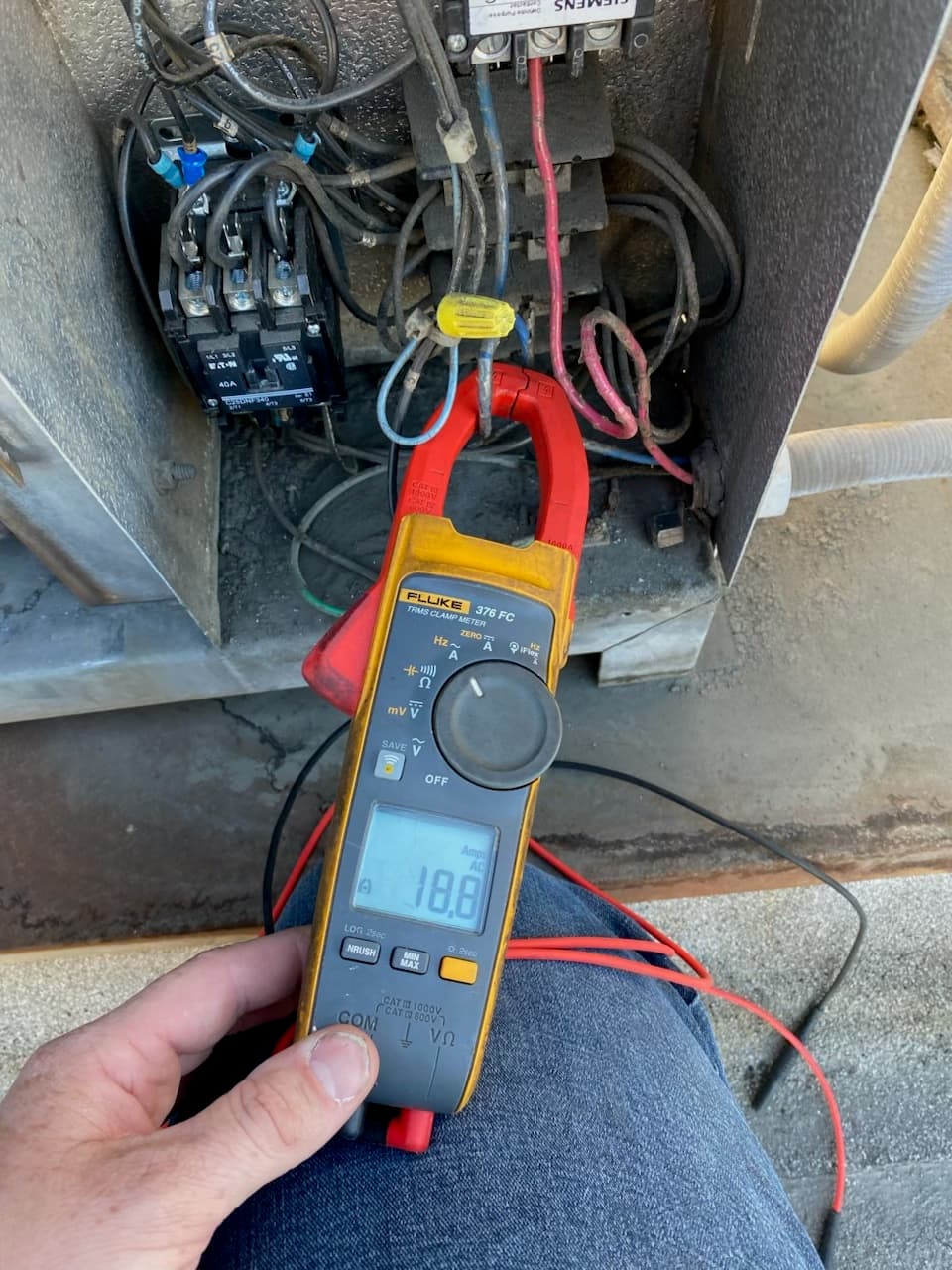
- Root-cause diagnostic with readings taken and logged, not just symptom patching
- Repair options presented with pricing before anything is authorized
- Approved work completed same-visit where parts allow; readings logged to the Portal
- Electrical failures — contactors, capacitors, and control boards
- Refrigerant leaks and low-charge symptoms
- Failed motors, bearings, and belts on fans and blowers
- Clogged condensate drains causing water damage or shutdowns
Commercial HVAC Repair in San Diego: questions we get
Our Gaslamp restaurant has had three contractors replace parts on the same walk-in in a year. What would you do differently?
Start by not assuming the last part was the problem. A walk-in that keeps failing in a downtown alley enclosure usually has an airflow or heat-rejection issue, a defrost control problem or a refrigerant leak that was topped off instead of found. We measure superheat and subcooling, check the condenser location and clearances, verify defrost timing and inspect door gaskets and heaters before touching a part. The report tells you what was found and why, so you can stop paying for guesses.
Can a repair on a Kearny Mesa rooftop happen during business hours without disrupting our tenants?
Usually yes. Most Kearny Mesa flex buildings have roof hatches or exterior ladders, so the work stays outside tenant space. We coordinate the brief shutdown of the affected unit, keep the roof access clear of tenant parking during the visit, and avoid running equipment hard during a lunchtime peak in a food tenant. If the fault requires access inside a suite, we schedule that part with the tenant directly and keep it short.
How fast can you get a tech on site?
Most diagnostics are same-day across our Orange County coverage area. Priority accounts and maintenance-plan members get first availability.
Do you charge a diagnostic fee?
Yes, a flat diagnostic fee that's disclosed up front and applied toward the repair if you approve it the same visit.