Boiler & Hydronic Service in Escondido, CA
Boilers in Escondido serve hospital reheat, some hotels and older commercial buildings, and they have to be ready for cold winter mornings after months of idle. Valley nights can be colder than the coast, which exposes weak ignition or controls issues. We perform combustion analysis, safety checks, loop service and replacement work with documentation that satisfies inspectors and owners.
An inland North County city with a downtown core, auto-dealer and big-box corridors, a major hospital campus, and agriculture and food-related light industrial space exposed to real valley heat.
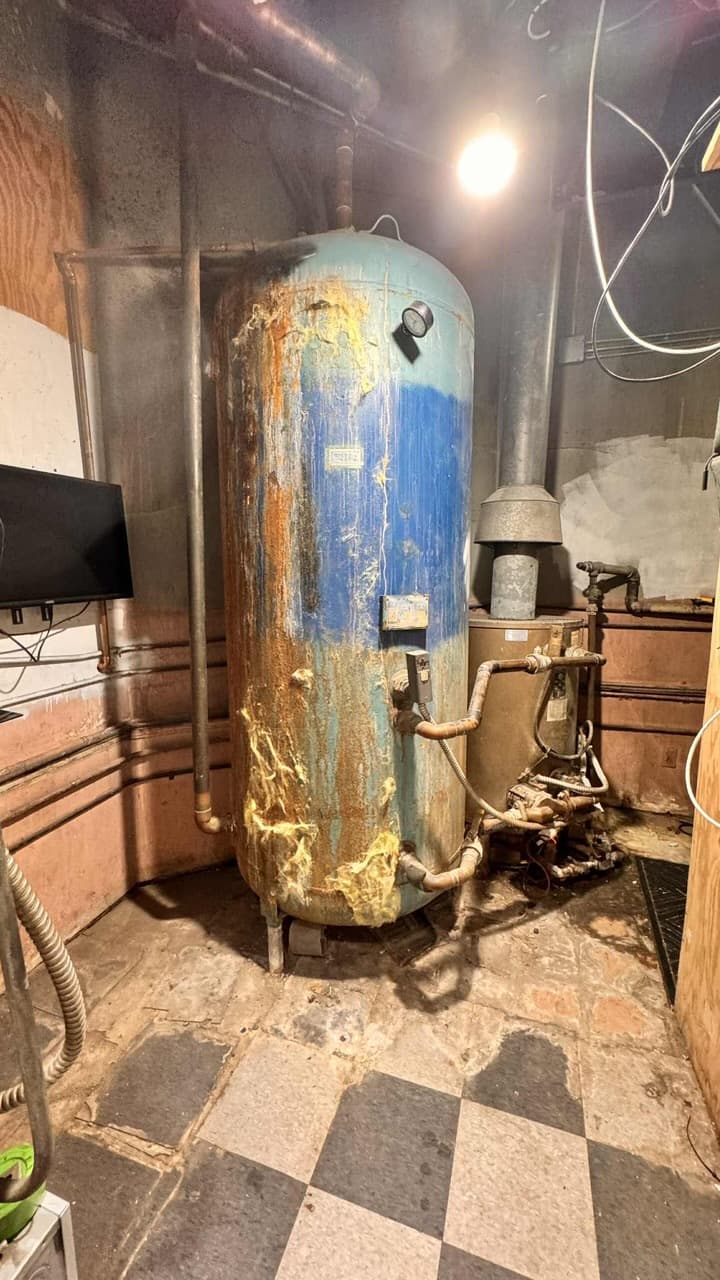
How boiler & hydronic service work plays out in Escondido
Escondido's winter mornings are colder than its coastal neighbors would guess. The valley loses heat quickly on clear nights, and buildings with hydronic heating, mainly the hospital campus, some hotels, civic and institutional facilities and a few older downtown buildings, feel it on December and January mornings when a boiler that idled since March is asked to deliver reheat and comfort heat at once. The failure mode is almost always something that developed during the idle season: a seized circulator, a flame sensor that drifted, an air-bound loop or a safety control that no longer resets.
Fall start-up on these systems is where the value is. We fire the boiler under load, run combustion analysis, test safeties and limits, check the expansion tank and relief valve, verify pump operation and water chemistry and look at the condition of flues and vents. In a hot, dusty climate the mechanical room itself contributes: dust in burners and controls, and heat-stressed electronics from a summer in an unventilated space. A thorough fall visit catches most of what would otherwise surface on the first cold morning.
Replacement work tends to come with a larger project or a public-agency capital plan and runs through permits and inspections with the City of Escondido. Condensing boilers suit the valley's part-load heating pattern well when the loop design allows low return temperatures, and we help owners and engineers evaluate the whole system rather than swapping like for like. The hydronic sections of the water heaters and boilers guide cover the design choices.
Escondido's climate and what it does to this equipment
Escondido's inland valley setting produces hot, dry summers, with afternoon temperatures that regularly run well above coastal levels and long cooling seasons stretching from late spring into fall. The marine layer reaches the valley only weakly, so humidity is low most of the year, and dust and agricultural debris load coils and filters quickly. Santa Ana wind events can add intense, dry heat in autumn. Rooftop units, condensers and refrigeration systems here run harder and longer than their coastal counterparts, which makes capacity margins, clean coils and healthy electrical components central to reliability.
For the equipment background behind this page, read our water heaters and boilers guide or the full Boilers & Hydronic Heating service page.
- Downtown EscondidoRestaurants, civic and arts buildings, and older commercial blocks with mixed rooftop equipment and renovation history.
- Auto-dealer and big-box corridorsLarge flat-roofed showrooms, service buildings and retail centers whose rooftop units run long hours through valley heat.
- Hospital and medical districtA major hospital campus with surrounding medical offices that require continuous cooling, hot water and documented maintenance.
- Agricultural and light-industrial areasFood-related light industrial, packing and storage buildings, and warehouses where refrigeration and temperature-controlled space matter.
- Combustion analysis and tuning with logged results
- Low-water cutoff, relief valve, and flame-safeguard testing
- Condensing and non-condensing boiler service
- Hydronic loop, pump, valve, and expansion-tank diagnostics
What a boiler & hydronic service visit includes, and the problems we most often find
- Review boiler type, age, fuel, and the loads it serves
- Inspect burners, heat exchanger surfaces, venting, and combustion air
- Run combustion analysis and adjust to manufacturer specifications
- Test safeties and controls; check loop pressure, flow, and water quality
- Document results and recommend repairs or replacement timing
- Poor combustion tuning wasting fuel and fouling heat exchangers
- Condensing boilers running with return temperatures too high to condense
- Air in the loop or failing pumps causing cold zones
- Untested safeties on older boilers with no maintenance records