Boiler & Hydronic Service in Oceanside, CA
Hydronic heating in Oceanside is concentrated in hospitals, some hotels and older institutional buildings, where boilers supply heating, reheat and domestic hot water support. Because they run lightly most of the year, issues often surface during the first cool snap. We perform combustion testing, safety checks and loop service, and we replace aging boilers with permits and documentation handled.
A harbor and downtown city on the north coast with hospitals, light-industrial space along the Oceanside Boulevard and Mission Avenue corridors, and an economy shaped by neighboring Camp Pendleton.
How boiler & hydronic service work plays out in Oceanside
Heating in Oceanside gets perhaps a few months of real use, which is exactly why boilers here fail at inconvenient moments. A hydronic plant at a hospital-adjacent building, a hotel or an older institutional campus sits mostly idle from spring through fall, then is asked to perform on the first damp, cold morning in December. Ignition problems, stuck valves, air-bound loops and failed circulator pumps all hide during the off season. A fall start-up visit that actually fires the boiler, checks combustion and runs the pumps catches most of these before occupants do.
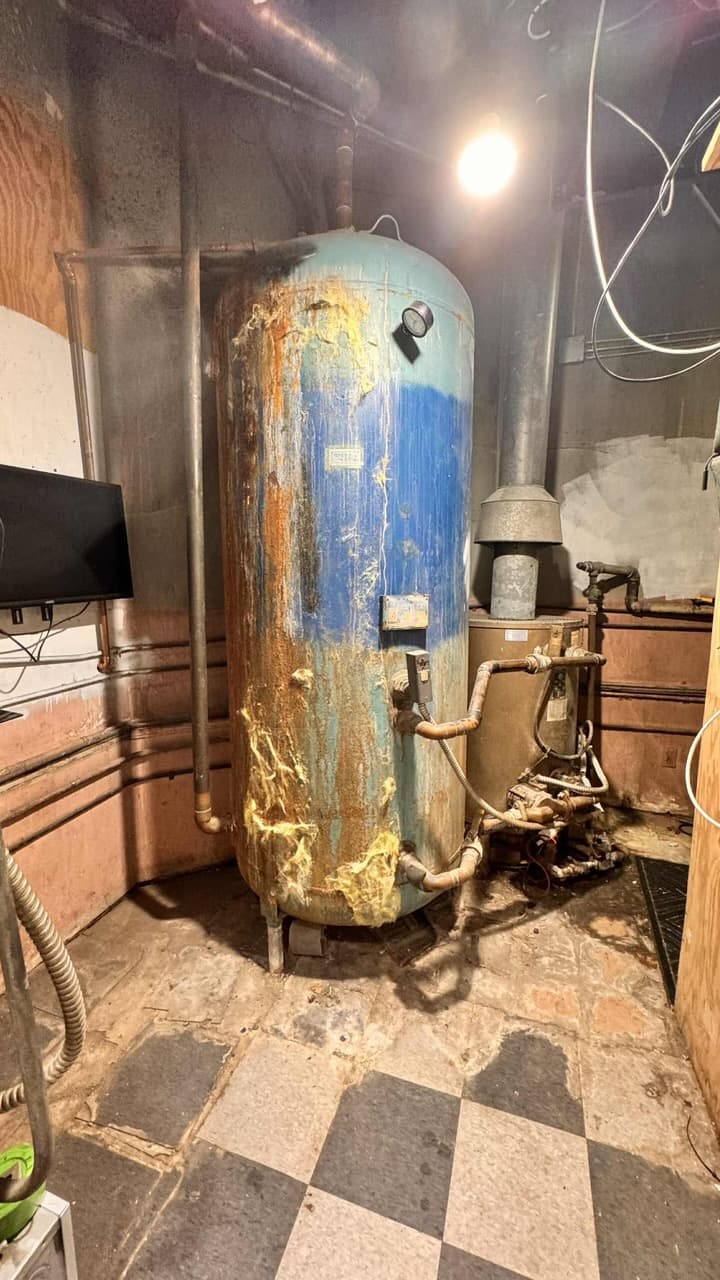
The city's damp coastal air shapes what goes wrong. Condensation inside flues and on cold boiler sections during idle months accelerates corrosion, and mechanical rooms near the water often show rust on anything not maintained. Older low-pressure boilers in downtown buildings and campus facilities may have original controls and safeties that are overdue for testing. Combustion analysis, safety device verification, water chemistry and a check of expansion tanks and relief valves are the core of a service visit, and all of it goes into the equipment record.
Replacement decisions often coincide with a broader building project or a public-agency capital plan. Condensing boilers can fit Oceanside's mild heating load well, but only if the system is designed to run at return water temperatures that allow them to condense. We help owners and engineers evaluate the system rather than just the boiler, handle permits and documentation, and support prevailing-wage project requirements where they apply. The water heaters and boilers guide covers the hydronic side as well.
Oceanside's climate and what it does to this equipment
Oceanside's weather follows the coast: cool, damp mornings under the marine layer, mild afternoons and persistent humidity. Salt carried inland by onshore breezes works on equipment near the harbor and the beach, corroding coils, housings and electrical terminals more quickly than in nearby inland cities. Summers are comfortable by Southern California standards, but the eastern, inland parts of the city can warm noticeably on days when the marine layer retreats. Equipment therefore faces two different problems depending on the street: salt and moisture near the water, and longer, hotter run times farther east.
For the equipment background behind this page, read our water heaters and boilers guide or the full Boilers & Hydronic Heating service page.
- Downtown and Oceanside HarborRestaurants, hotels and mixed-use buildings near the pier and harbor, where kitchens and rooftop equipment live in salt air and tight service access.
- Oceanside Boulevard and Mission Avenue corridorsShopping centers, professional offices and older retail with aging rooftop units and tenants that change faster than the equipment is updated.
- Rancho del Oro and the inland industrial areasLight-industrial, warehouse and flex buildings serving local trades and distribution, with large open volumes and a mix of heating and cooling needs.
- Medical campusesHospital and medical office buildings that depend on continuous cooling, reliable hot water and documented maintenance records.
- Combustion analysis and tuning with logged results
- Low-water cutoff, relief valve, and flame-safeguard testing
- Condensing and non-condensing boiler service
- Hydronic loop, pump, valve, and expansion-tank diagnostics
What a boiler & hydronic service visit includes, and the problems we most often find
- Review boiler type, age, fuel, and the loads it serves
- Inspect burners, heat exchanger surfaces, venting, and combustion air
- Run combustion analysis and adjust to manufacturer specifications
- Test safeties and controls; check loop pressure, flow, and water quality
- Document results and recommend repairs or replacement timing
- Poor combustion tuning wasting fuel and fouling heat exchangers
- Condensing boilers running with return temperatures too high to condense
- Air in the loop or failing pumps causing cold zones
- Untested safeties on older boilers with no maintenance records