Commercial Refrigeration in Pomona, CA
Downtown Pomona's restaurants and breweries often work from older buildings where the walk-in cooler sits in a converted storage room with limited ventilation. Heat in the room, a tired condensing unit and heavy event-night traffic make for a bad combination. Brewery cold rooms add their own demands for stable temperature and humidity. We diagnose airflow, defrost, door seals and condenser performance, then document readings. For the Fairplex, temporary and seasonal concession refrigeration needs checks before event periods.
A mixed inland city of Cal Poly Pomona, the Fairplex, industrial parks and a revitalizing downtown, where hot, dry summers drive heavy cooling loads.
How commercial refrigeration work plays out in Pomona
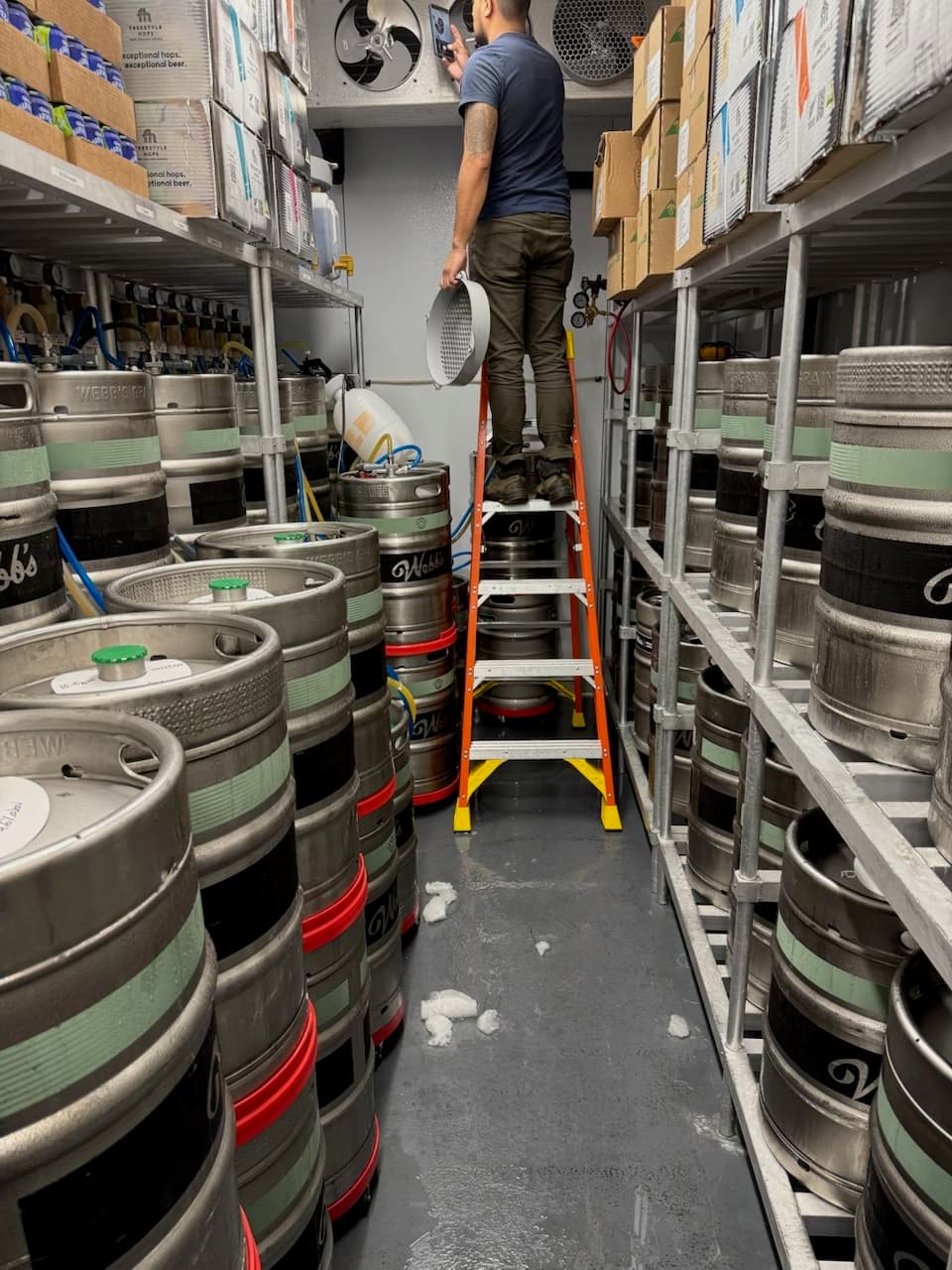
Walk-in coolers in downtown Pomona live in hard places. Restaurants and breweries around the Arts Colony and along Second Street fit their boxes into former storage rooms, basements and rear additions where the condensing unit discharges into a space that may hit 110 degrees on a summer afternoon. The box holds 36 degrees all winter and then drifts into the 40s in July, product shrinks, and the operator starts getting health inspection notes. The fix is rarely more refrigerant; it is usually heat rejection, airflow or a defrost cycle that stopped working correctly.
The city's grocery and food-distribution footprint is larger than most people realize. Markets along Holt Avenue, Indian Hill Boulevard and Garey Avenue run rows of reach-in and open display cases, and the industrial parks near the 60 and the 71 include food distributors and commissaries with larger walk-in freezers and medium-temperature rooms. In those facilities, a single rack or condensing unit outage touches a lot of product fast, so we favor diagnosis that finds the cause behind a repeat failure, whether that is a leaking evaporator, a failing TXV or a condenser that has never been cleaned on a dusty inland lot.
Event-driven refrigeration around the Fairplex adds a seasonal layer. Concession and catering refrigeration that sits idle between events needs checking before the gates open, not after, and a pre-event inspection with documented temperatures is cheap insurance against a long weekend of spoiled product. Readings and photographs from every visit go into the DaVinci Portal so the health inspector, the operator and the owner are working from the same record. See commercial refrigeration services for how we approach walk-ins, reach-ins and display cases.
Pomona's climate and what it does to this equipment
Pomona lies in the eastern part of the Los Angeles basin where the marine layer rarely reaches in summer, so days are hot, sunny and dry, with frequent stretches above 95 degrees and occasional triple-digit heat. Cooling coils work long hours, condensers reject heat into very hot air, and compressors see sustained high head pressure. Santa Ana winds in fall bring dust and debris that clog outdoor coils and intake screens. Winters are mild but nights can be cool enough for heating calls. Smog and fine particulate also load filters faster than at the coast.
For the equipment background behind this page, read our walk-in cooler and freezer guide or the full Refrigeration: Walk-In & Reach-In Coolers/Freezers service page.
- Cal Poly Pomona campus and surrounding institutional areaUniversity buildings with chilled water, lab ventilation and public-agency procurement requirements.
- Fairplex and the Fairplex Drive corridorExhibition halls and event facilities with highly seasonal loads, large spaces and temporary-use cooling.
- Downtown Pomona and the Arts ColonyOlder masonry buildings housing restaurants, breweries and galleries, with tight back-of-house refrigeration and rooftop access challenges.
- Mission, Holt and Garey industrial parksMulti-generation warehouse and manufacturing buildings with mixed-vintage rooftop fleets and aging controls.
- Evaporator/condenser coil cleaning and defrost checks
- TXV/EEV, superheat, subcool, and pressure readings logged
- Door seals, drains, heaters, and fan packages inspected
- DaVinci Portal: temps and pressures logged by asset over time
What a commercial refrigeration visit includes, and the problems we most often find
- Check current box temperature against setpoint and recent trend
- Inspect door seals, drains, and evaporator/condenser coils for buildup
- Take superheat, subcool, and pressure readings against manufacturer spec
- Address the root cause — not just a temporary recharge
- Log readings to the asset so drift is caught early next visit
- Door seals and hinges that no longer hold a tight close
- Evaporator coils iced over from a defrost cycle issue
- Condenser coils caked with grease or debris, especially near kitchen exhaust
- Slow refrigerant leaks that show up as gradual temperature drift, not sudden failure