Commercial Water Heaters in Pomona, CA
A spread of uses keeps Pomona's hot water systems busy: campus restrooms and locker rooms, hospital-adjacent medical offices, restaurant dish machines and industrial wash areas. Seasonal event loads at the Fairplex require recovery capacity that outstrips normal demand. Scale from local hard water shortens tank and exchanger life, so flushing and anode or exchanger checks matter. We size equipment to real demand, evaluate venting and gas capacity, and plan replacements that include mixing valves, recirculation and seismic anchoring.
A mixed inland city of Cal Poly Pomona, the Fairplex, industrial parks and a revitalizing downtown, where hot, dry summers drive heavy cooling loads.
How commercial water heaters work plays out in Pomona
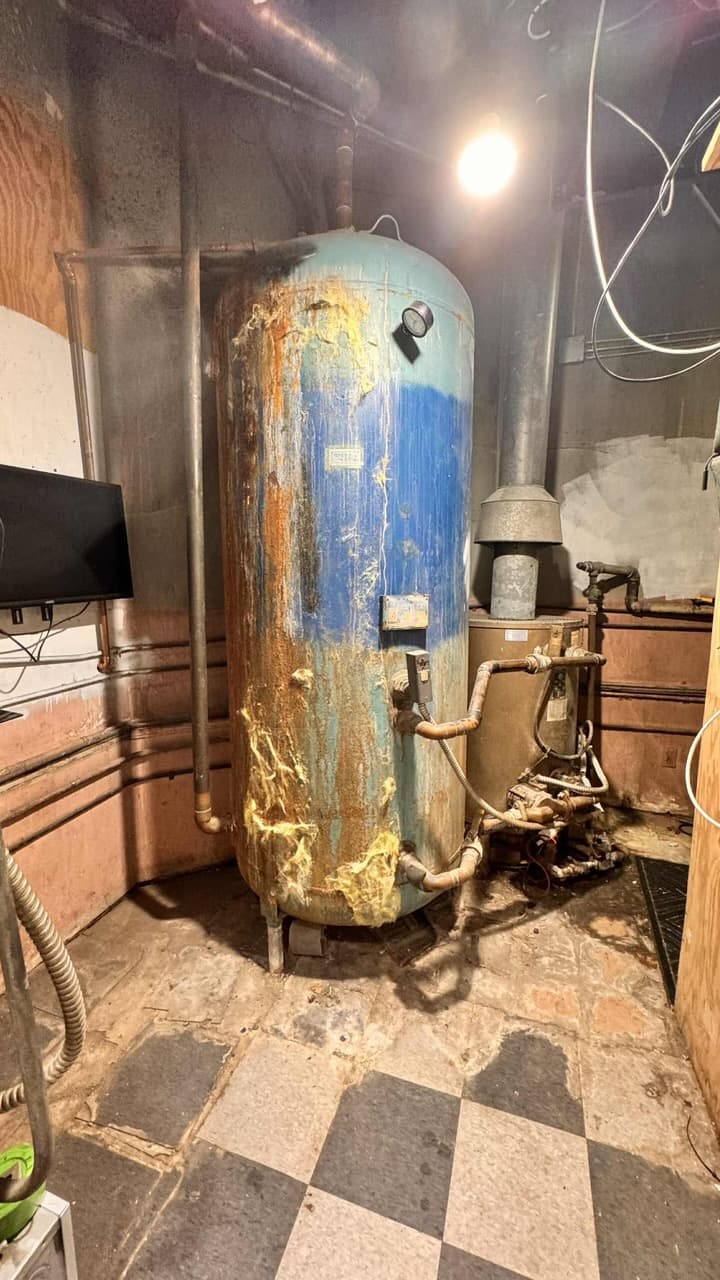
Hot water in Pomona wears out from the inside. The water is hard, and tank heaters, heat exchangers and recirculation loops pick up mineral scale that cuts recovery capacity and eventually eats through a tank years before its rated life. Restaurants in the Arts Colony with dish machines that demand sanitizing-temperature water, a hotel near the Fairplex that needs recovery for a full house on fair weekends, locker rooms and dining halls on the campus side of town, and medical offices near the hospital with hand-wash and sterilization loads all fight the same chemistry. A flushing and inspection routine is the difference between a planned replacement and an emergency in the middle of dinner service.
The buildings complicate things further. Downtown water heaters are often tucked into mezzanines, closets or back rooms that were never meant for a commercial appliance, so venting, combustion air and gas line capacity have to be verified rather than assumed. In the industrial parks, a tenant may have added a wash bay or a second break room without changing the water heater, and the symptom is a heater that short-cycles or runs out of hot water by mid-shift.
When replacement comes, we size to actual demand with measured draw rather than copying the old nameplate, evaluate tankless where space and gas capacity allow, and include mixing valves, recirculation pump checks, expansion control and seismic strapping in the scope. Those details are the ones inspectors check and that owners forget about until the next tenant improvement. See commercial water heaters and the water heaters and boilers guide for the full picture.
Pomona's climate and what it does to this equipment
Pomona lies in the eastern part of the Los Angeles basin where the marine layer rarely reaches in summer, so days are hot, sunny and dry, with frequent stretches above 95 degrees and occasional triple-digit heat. Cooling coils work long hours, condensers reject heat into very hot air, and compressors see sustained high head pressure. Santa Ana winds in fall bring dust and debris that clog outdoor coils and intake screens. Winters are mild but nights can be cool enough for heating calls. Smog and fine particulate also load filters faster than at the coast.
For the equipment background behind this page, read our water heaters and boilers guide or the full Commercial Water Heaters service page.
- Cal Poly Pomona campus and surrounding institutional areaUniversity buildings with chilled water, lab ventilation and public-agency procurement requirements.
- Fairplex and the Fairplex Drive corridorExhibition halls and event facilities with highly seasonal loads, large spaces and temporary-use cooling.
- Downtown Pomona and the Arts ColonyOlder masonry buildings housing restaurants, breweries and galleries, with tight back-of-house refrigeration and rooftop access challenges.
- Mission, Holt and Garey industrial parksMulti-generation warehouse and manufacturing buildings with mixed-vintage rooftop fleets and aging controls.
- Combustion/ignition or element checks with descaling
- Venting, gas/electrical, condensate, and expansion tank review
- Temperature set-points confirmed for safety and code
- DaVinci Portal: full service history and proof-of-work on file
What a commercial water heaters visit includes, and the problems we most often find
- Check current output against actual peak demand, not just spec-sheet capacity
- Inspect combustion/ignition or heating elements and descale as needed
- Confirm venting, gas/electrical, and condensate are code-correct
- Set and verify temperature set-points for safety and code compliance
- Document the visit — proof-of-work you can show for inspection
- Undersized units that were never sized to actual peak demand
- Scale buildup reducing efficiency and shortening element/heat-exchanger life
- Venting or gas line sizing that doesn't match the installed unit
- Aging tanks nearing end of service life with no replacement plan in place