Commercial Water Heaters in Torrance, CA
In Torrance, commercial hot water matters for restaurants, medical offices, hotels, and industrial buildings with washdown, restrooms, and employee amenities. Tanks serving many tenants in a retail center can be difficult to access, and aging units develop scale that cuts recovery. Replacements require checking gas supply, venting, and seismic bracing practices, and confirming current local requirements. Sizing correctly for demand avoids the cold-shower complaints that tenants never forget. Retail centers with a shared tank deserve an honest look at which suites actually draw the load.
South Bay industrial parks tied to aerospace and automotive work, heavy retail along Hawthorne Boulevard and Del Amo, and a significant medical presence.
How commercial water heaters work plays out in Torrance
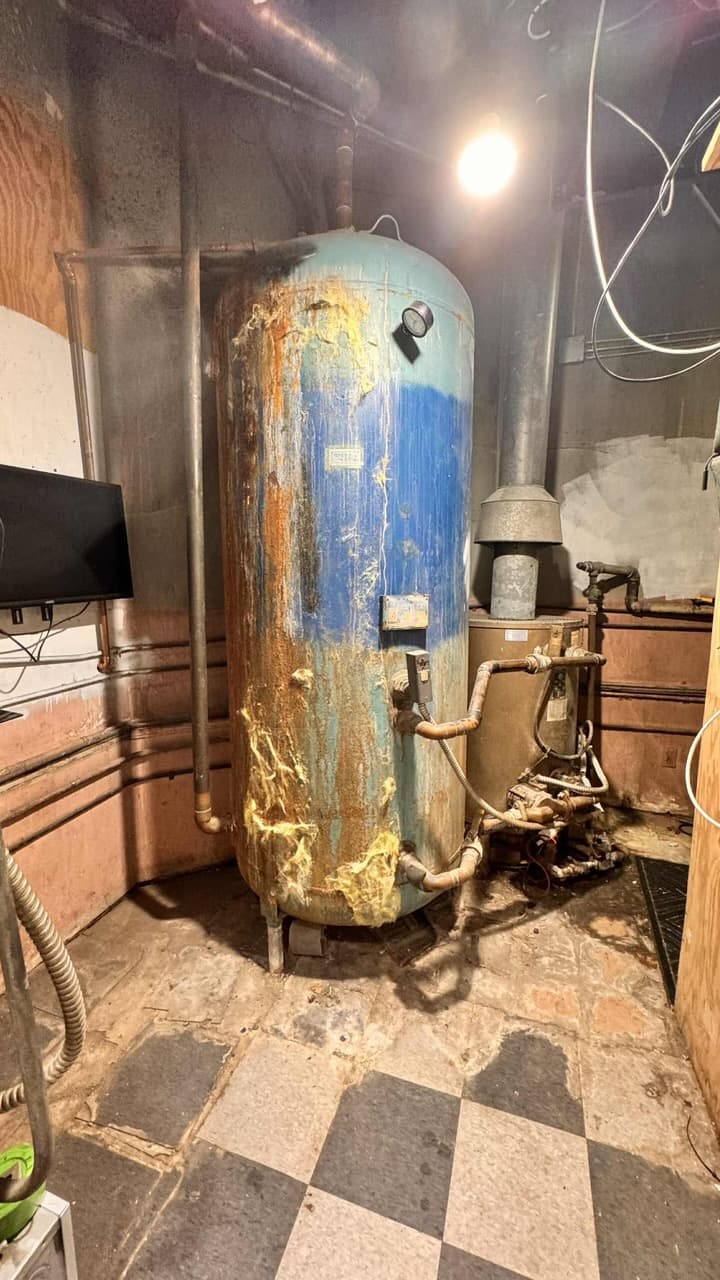
Hot water complaints in Torrance tend to come from the places that use the most of it: restaurant dish lines along Hawthorne Boulevard, hotel laundry and guest rooms near the freeway interchanges, medical office buildings with exam room sinks and sterilization, and industrial buildings where a crew of forty uses the showers at shift change. The equipment is often a large atmospheric tank in a closet or on a mezzanine, installed when the building was built and worked on as little as possible since.
The South Bay's water hardness is the slow killer here. Scale builds on the tank bottom and on heat exchanger surfaces, recovery time stretches, burners cycle longer, and a tank that once kept up with a dinner rush starts running out at seven thirty. In tankless installations, scale shows up as flow restriction and error codes. Replacement in Torrance means confirming gas supply capacity, venting that meets current code, seismic strapping, and the condensate handling that high-efficiency units need. Permits are through the city, and current requirements should be confirmed, especially for venting changes.
The right outcome is a system sized for the actual draw, not the original drawing. In a multi-tenant center where one shared tank serves a salon, a restaurant, and two offices, the work starts with figuring out who really uses the hot water. For a restaurant, it means a recovery rate matched to the dish machine and a maintenance interval that includes flushing and anode checks. Commercial water heater replacements here are planned around closing hours so a kitchen never opens without hot water. See the water heaters and boilers guide for sizing concepts.
Torrance's climate and what it does to this equipment
Torrance sits in the South Bay, close enough to the ocean that the marine layer shapes much of the year, though it is not directly on the surf the way beach cities are. Mornings are often gray and cool, afternoons clear, and summer heat is milder than in the valleys or inland basin, with occasional spikes when offshore winds push temperatures up. Equipment runs fewer extreme hours but gets cooling duty across a long season, and moist, slightly salty air plus industrial dust affects coils and electrical components in outdoor installations.
For the equipment background behind this page, read our water heaters and boilers guide or the full Commercial Water Heaters service page.
- Del Amo and the Torrance Boulevard retail coreLarge retail centers, restaurants, and big-box tenants with shared rooftop equipment and grocery-style refrigeration needs.
- Industrial parks along Crenshaw and WesternAerospace, automotive, and light industrial buildings with mixed office and shop areas, where process or equipment-room cooling often matters.
- Hawthorne Boulevard commercial corridorA long stretch of strip retail, restaurants, banks, and service tenants, many with older rooftop units and shared electrical service.
- Medical area and Old TorranceHospital and medical office buildings along with the older downtown core, where smaller tenant spaces and clinical comfort needs sit side by side.
- Combustion/ignition or element checks with descaling
- Venting, gas/electrical, condensate, and expansion tank review
- Temperature set-points confirmed for safety and code
- DaVinci Portal: full service history and proof-of-work on file
What a commercial water heaters visit includes, and the problems we most often find
- Check current output against actual peak demand, not just spec-sheet capacity
- Inspect combustion/ignition or heating elements and descale as needed
- Confirm venting, gas/electrical, and condensate are code-correct
- Set and verify temperature set-points for safety and code compliance
- Document the visit — proof-of-work you can show for inspection
- Undersized units that were never sized to actual peak demand
- Scale buildup reducing efficiency and shortening element/heat-exchanger life
- Venting or gas line sizing that doesn't match the installed unit
- Aging tanks nearing end of service life with no replacement plan in place