Commercial Refrigeration in Orange, CA
A walk-in cooler in a converted Old Towne space may be sharing a back room with water heaters, storage, and a condensing unit starved for air. Near the hospitals, refrigeration protects medications, specimens, and cafeteria food, where a temperature excursion becomes a documentation problem as well as a mechanical one. We install and service with that in mind: data on box temperature, defrost behavior, and alarm testing, plus recommendations for relocating or ventilating condensers that never had room to breathe. The result is a record that stands up when someone asks what happened overnight.
A mix of medical office, retail plazas, and light-industrial parks near the 22/55/57 interchange.
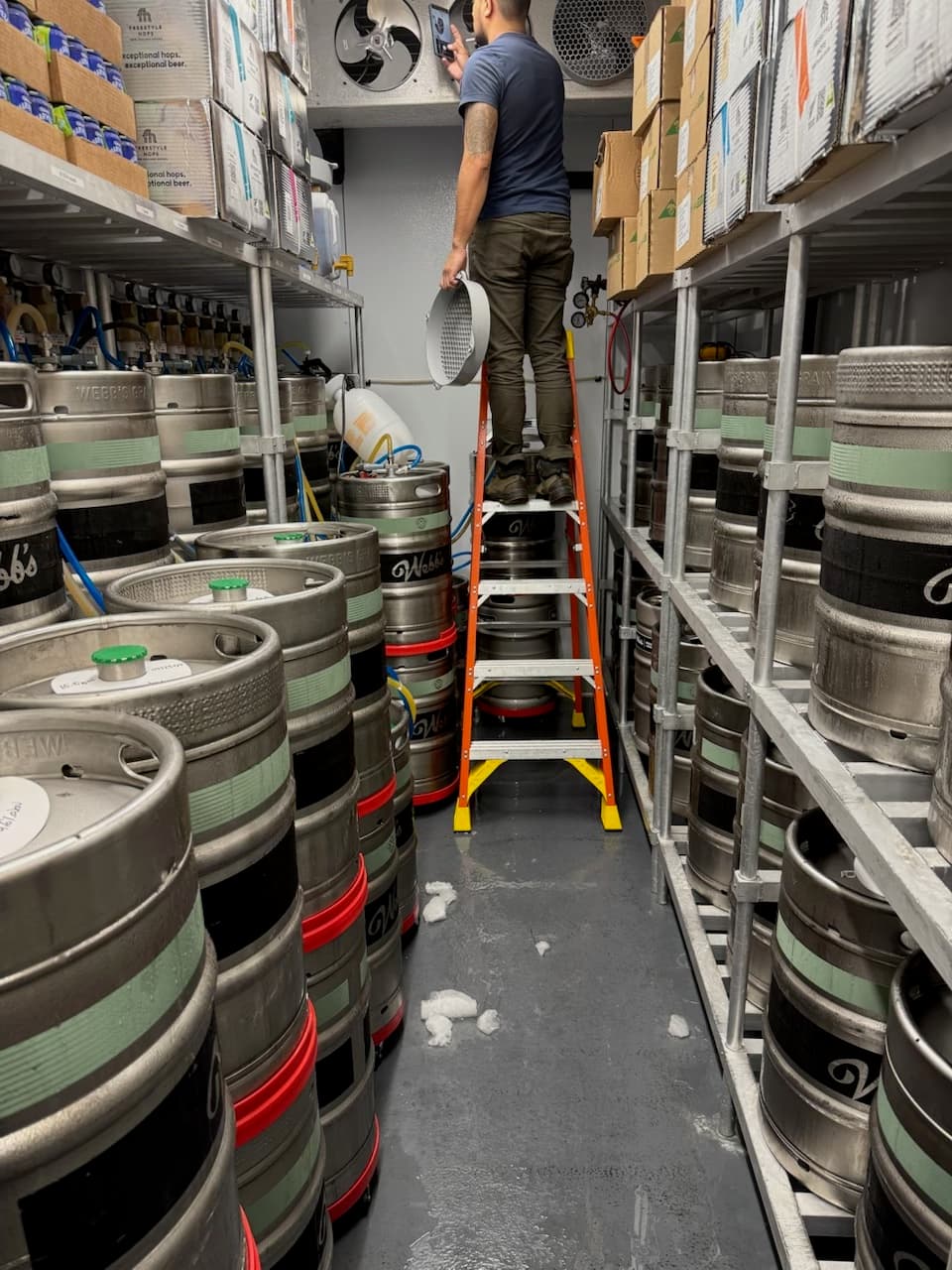
How commercial refrigeration work plays out in Orange
Refrigeration in Orange serves two very different owners. Restaurants and cafes in Old Towne, along Chapman and Glassell near the Plaza and near the Chapman University campus, run walk-ins and reach-ins in converted historic spaces where the box was fit into whatever room was available and the condensing unit went wherever a line set could reach. Medical, dental, veterinary and pharmacy tenants along Main Street, The City Drive and Tustin Street depend on medication and vaccine refrigeration, where the issue is not capacity but stability and proof: continuous temperature within range, alarms that work, and a record a regulator or accreditation reviewer accepts.
The Old Towne pattern is airflow and heat rejection. Boxes with condensers in a rear yard against a neighbor's wall, evaporators with blocked coils from years of product stacked against them, and door gaskets replaced with the wrong profile all show up as a walk-in that hovers a few degrees warm every afternoon. We correct the box before judging the compressor. Grocery and larger restaurant operations in the plazas and centers run display cases and multiple boxes on remote systems, where leak tracking and California refrigerant records matter as much as temperature.
On the medical side, we service and document the refrigeration itself and recommend monitoring that logs independently of the unit. A failed medication refrigerator is a compliance event with reporting obligations; a documented one is manageable. For all of it, see walk-in and reach-in cooler service and the veterinary and grocery and retail pages.
Orange's climate and what it does to this equipment
Orange is inland central basin: hot summer afternoons, moderate humidity, and occasional Santa Ana wind and dust events that load filters and coils.
For the equipment background behind this page, read our walk-in cooler and freezer guide or the full Refrigeration: Walk-In & Reach-In Coolers/Freezers service page.
- Old Towne OrangeHistoric-building restaurants and shops with older, often space-constrained mechanical installations.
- Medical corridors near hospital campusesMedical office buildings with temperature-critical rooms and storage.
- The Block and retail plazasLarge retail and restaurant tenants with heavy RTU and refrigeration loads.
- Light-industrial parks near the 55/57Warehouses and flex space with large rooftop units and heaters.
- Evaporator/condenser coil cleaning and defrost checks
- TXV/EEV, superheat, subcool, and pressure readings logged
- Door seals, drains, heaters, and fan packages inspected
- DaVinci Portal: temps and pressures logged by asset over time
What a commercial refrigeration visit includes, and the problems we most often find
- Check current box temperature against setpoint and recent trend
- Inspect door seals, drains, and evaporator/condenser coils for buildup
- Take superheat, subcool, and pressure readings against manufacturer spec
- Address the root cause — not just a temporary recharge
- Log readings to the asset so drift is caught early next visit
- Door seals and hinges that no longer hold a tight close
- Evaporator coils iced over from a defrost cycle issue
- Condenser coils caked with grease or debris, especially near kitchen exhaust
- Slow refrigerant leaks that show up as gradual temperature drift, not sudden failure