Commercial Water Heaters in Orange, CA
Hot water in Orange buildings serves wildly different needs. A dental suite wants reliable temperature at many small sinks; a restaurant wants rapid recovery for dish machines; a healthcare building may require controlled temperatures and careful attention to scald protection and bacterial risk. We review actual draw patterns, check mixing valves, recirculation, and venting, and propose capacity that matches use. Historic buildings may need creative routing for flues and gas lines, and replacement documents reference air-district requirements that should be reconfirmed at the time of purchase.
A mix of medical office, retail plazas, and light-industrial parks near the 22/55/57 interchange.
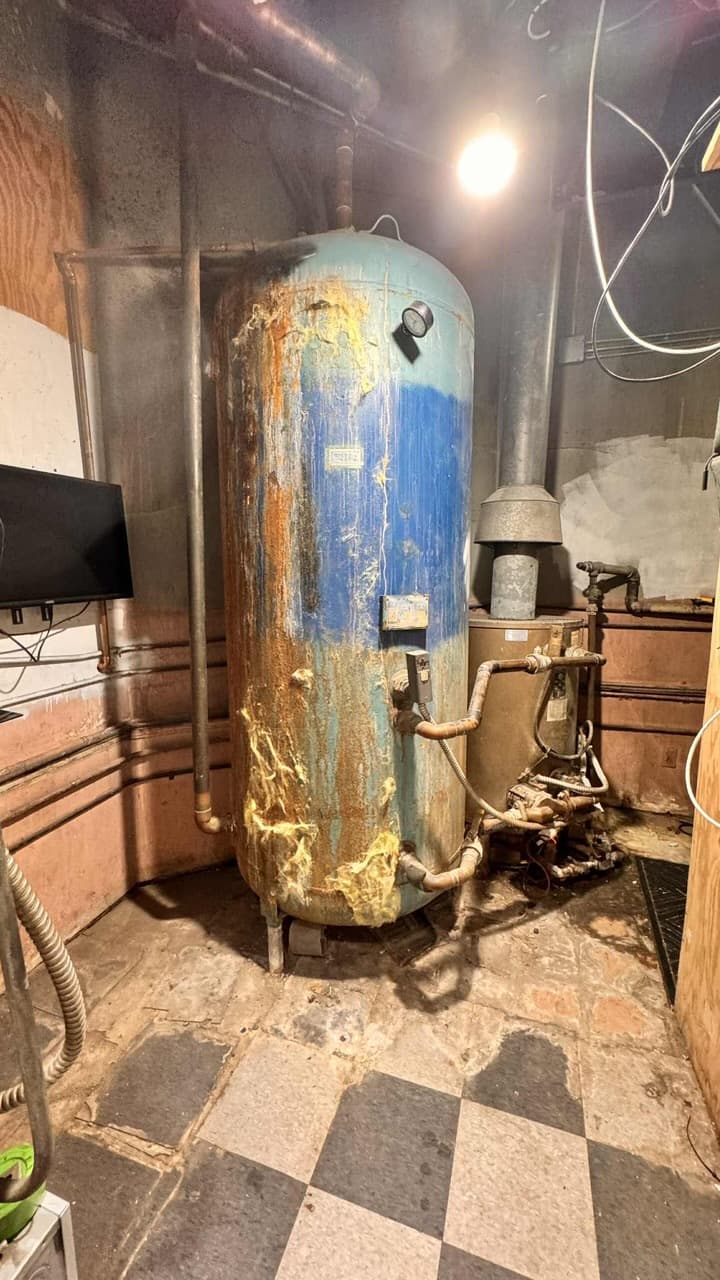
How commercial water heaters work plays out in Orange
Hot water in Orange has to satisfy some unusually demanding users. Dental and medical practices along Main Street and Tustin Street need instant hot water at dozens of small fixtures, where recirculation and temperature control matter more than raw capacity. Surgery centers and clinics have sterilization and instrument washing loads with specific temperature requirements. Senior living and assisted care communities across the city need constant hot water for residents, kitchens and laundry at the same time, with scald protection that is non-negotiable. Old Towne restaurants need the dish machine to sanitize through a full Saturday night. Hotels near the freeway interchanges need morning shower demand met without complaint.
The buildings complicate it. Old Towne mechanical rooms are small and vents are improvised; many heaters have been replaced without correcting combustion air or flue problems. Medical office buildings often run central heaters with long recirculation loops where a failed pump or a bypassed balancing valve leaves the far suites waiting a minute for hot water, which a dental assistant notices every single time. Replacement work includes gas sizing, venting, condensate for condensing units, seismic strapping and mixing valves, all permitted with the City of Orange.
For sizing we look at the actual use pattern, not just fixture counts: peak-hour demand, recovery, storage versus tankless, and recirculation design. The water heater and boiler guide explains the method; the senior living guide covers the care-facility specifics.
Orange's climate and what it does to this equipment
Orange is inland central basin: hot summer afternoons, moderate humidity, and occasional Santa Ana wind and dust events that load filters and coils.
For the equipment background behind this page, read our water heaters and boilers guide or the full Commercial Water Heaters service page.
- Old Towne OrangeHistoric-building restaurants and shops with older, often space-constrained mechanical installations.
- Medical corridors near hospital campusesMedical office buildings with temperature-critical rooms and storage.
- The Block and retail plazasLarge retail and restaurant tenants with heavy RTU and refrigeration loads.
- Light-industrial parks near the 55/57Warehouses and flex space with large rooftop units and heaters.
- Combustion/ignition or element checks with descaling
- Venting, gas/electrical, condensate, and expansion tank review
- Temperature set-points confirmed for safety and code
- DaVinci Portal: full service history and proof-of-work on file
What a commercial water heaters visit includes, and the problems we most often find
- Check current output against actual peak demand, not just spec-sheet capacity
- Inspect combustion/ignition or heating elements and descale as needed
- Confirm venting, gas/electrical, and condensate are code-correct
- Set and verify temperature set-points for safety and code compliance
- Document the visit — proof-of-work you can show for inspection
- Undersized units that were never sized to actual peak demand
- Scale buildup reducing efficiency and shortening element/heat-exchanger life
- Venting or gas line sizing that doesn't match the installed unit
- Aging tanks nearing end of service life with no replacement plan in place